
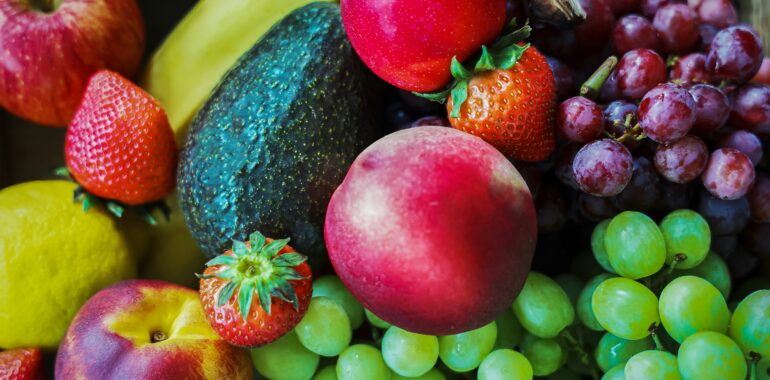
The Fruit Fusion: Breaking the “Sweet vs. Savory” Barrier for Metabolic Health
In my earlier days of cooking, I viewed fruit as a strictly segregated food group—a standalone snack or a sugary topper reserved exclusively for desserts and breakfast bowls. Previously, I assumed that putting fruit into a dinner dish was a culinary “risk” that would result in a cloying, syrupy mess. It was easy to believe that the only way to enjoy fruit was in its raw, “as-is” state. Everything changed when I understood the “Acid-Sugar-Salt” equilibrium and the power of fruit-based enzymes. I discovered that fruit isn’t just a sugar source; it’s a functional tool that can tenderize proteins, balance bitter greens, and provide a complex depth of flavor that refined sugars can’t touch. When you start incorporating fruit into your savory meals, you don’t just upgrade the taste; you improve your nutrient absorption and provide your gut with the diverse fibers it needs to thrive.
The goal of “Fruit Fusion” cooking is to use the natural fructose and organic acids of fruit to enhance the savory notes of your main dishes. I love the “digestive” logic of this approach. It’s the realization that the enzymes in pineapple, papaya, and citrus help break down heavy proteins before they even hit your stomach. When you swap the “heavy” sauces for fruit-based salsas and glazes, you’re supporting your liver and keeping your meals light and “pro-kinetic.” These recipes are designed to prove that fruit belongs on your dinner plate just as much as it belongs in your fruit bowl.
The Science of the “Savor-Sweet” Synergy
Using fruit in your meals offers a specific biological advantage over using refined sweeteners:
- Enzymatic Tenderizing: Fruits like kiwi and pineapple contain actinidin and bromelain, enzymes that physically break down the tough connective tissues in meat, making it easier for your gut to digest.
- The “Ascorbic” Boost: The Vitamin C in berries and citrus increases the bioavailability of non-heme iron in greens like spinach and kale.
- Stable Glucose: Pairing the fruit’s sugar with a protein and a fat (like salmon or chicken) ensures that the fructose is absorbed slowly, preventing the “sugar spike” associated with eating fruit alone.
The “Antioxidant-Punch” Blackberry & Walnut Salad
A brain-boosting bowl where the tartness of the berries cuts through the bitterness of the greens.
Ingredients:
- 2 cups Wild Arugula or Mizuna (bitter greens)
- 1/2 cup Fresh Blackberries
- 1/4 cup Toasted Walnuts
- 1 oz Goat Cheese (optional)
- The Glaze: 1 Tbsp Balsamic Vinegar + 1 tsp Dijon Mustard
Instructions:
- The Base: Lay a bed of arugula. The bitterness of the greens signals your gallbladder to prep for digestion.
- The Fruit: Scatter the blackberries. Use a fork to slightly “smush” a few of them; the juice will mix with the dressing.
- The Crunch: Add the walnuts. The healthy fats here help you absorb the Vitamin K in the greens.
- Assemble: Drizzle with the balsamic glaze and toss gently.
Personal Tip: Blackberries are the highest-fiber berry. I love using them in salads because they have a “meaty” texture that holds up well against vinegar. If the berries are too tart, a tiny pinch of sea salt will actually unlock their sweetness without needing extra sugar!
The “Enzyme-Active” Grilled Pineapple & Shrimp Skewers
A high-protein, tropical dish that uses bromelain to ensure easy transit through the gut.
Ingredients:
- 1 lb Jumbo Shrimp
- 2 cups Fresh Pineapple, cubed
- 1 Red Bell Pepper, cut into chunks
- The Marinade: 1 Tbsp Coconut Aminos + 1 tsp Ginger + 1 tsp Lime juice
Instructions:
- The Marinade: Toss the shrimp in the ginger and lime. Avoid putting the pineapple in the marinade too early, or the enzymes will turn the shrimp into mush!
- The Thread: Alternate shrimp, pineapple, and pepper on skewers.
- The Grill: Grill for 2–3 minutes per side. The heat caramelizes the pineapple sugars, creating a natural “BBQ sauce” effect.
- Assemble: Serve over a bed of cauliflower rice or “The Leafy Vessel” Romaine boats.
The “Skin-Repair” Strawberry & Balsamic Chicken
A high-Vitamin C meal designed to support collagen synthesis and provide a savory umami kick.
Ingredients:
- 2 Chicken Breasts, sliced thin
- 1 cup Fresh Strawberries, quartered
- 2 Tbsp Balsamic Vinegar
- 1 clove Garlic, minced
- Fresh Basil leaves
Instructions:
- The Sear: Brown the chicken in a pan with a little olive oil and garlic.
- The Reduction: Once the chicken is cooked, add the strawberries and balsamic vinegar to the pan.
- The Melt: Simmer for 3 minutes until the strawberries soften and the vinegar turns into a thick, dark syrup.
- Assemble: Top with fresh basil. The herbal notes of the basil “bridge” the gap between the sweet strawberry and the savory chicken.
Personal Tip: It sounds weird, but trust me: add a crack of black pepper to the strawberries while they simmer. Pepper contains “piperine,” which helps the balsamic and strawberry flavors meld into a deep, savory sauce that tastes remarkably like a high-end steakhouse glaze.
The “Metabolic” Mango & Jalapeño White Fish
A zesty, thermogenic dish that uses mango to balance the heat of the peppers.
Ingredients:
- 1 lb White Fish (Cod or Halibut)
- 1 Ripe Mango, diced
- 1 Jalapeño, seeded and minced
- 1/2 Red Onion, finely diced
- Squeeze of Lime
Instructions:
- The Salsa: Mix the mango, jalapeño, onion, and lime in a bowl. Let it sit for 10 minutes to “macerate.”
- The Fish: Bake or pan-sear the fish with simple salt and pepper.
- Assemble: Top the hot fish with the cold mango salsa.
Expanding the Culinary Palette
Incorporating fruit into your savory meals is a “flavor hack” that doubles as a health strategy. By using the natural acids and enzymes found in berries, pineapples, and mangoes, you reduce the need for processed sauces while supporting your digestive system. This week, try the Blackberry & Walnut Salad—it’s the fastest way to realize that “sweet” and “savory” are at their best when they are working together.
Final Tip: Always use “Seasonal” fruit for savory dishes. Out-of-season fruit is often too starchy or bland. If it’s winter, swap the berries for pomegranate arils or sliced persimmons to get that same “acid-sweet” balance!

I’m Brinley, and I believe in progress over perfection. My holistic journey started when I traded rigid fads for the 80/20 rule and nature-based remedies. I only share advice I’ve lived through—from botanical skincare that fixed my dry skin to easy kitchen hacks. I’m here to help you build a nourished life through small, intentional, and sustainable choices.