
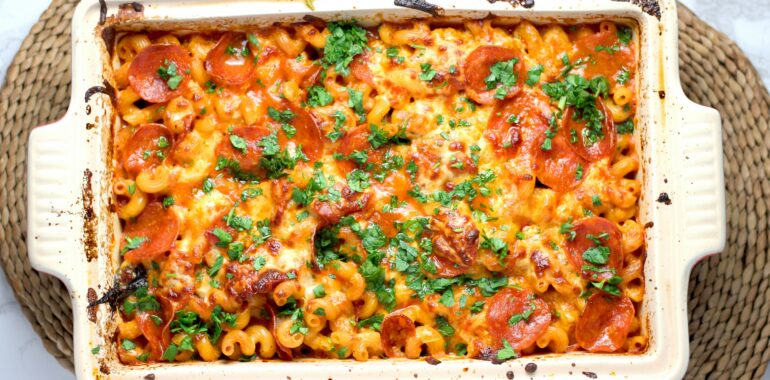
The “One-Pan” Restoration: High-Protein, Low-Inflammatory Casseroles
I viewed casseroles as “Metabolic Sinkholes”—heavy, beige masses of condensed soup, refined white flour noodles, and excessive processed cheese that left me feeling “Puffed Up” and ready for a three-hour nap. I used to think that the convenience of a “dump-and-bake” meal required a total surrender of my Nutrient-Density goals. My perspective shifted when I looked into the Structural Integrity of One-Pan Cooking. I discovered that a casserole is actually the ultimate “Functional Vessel.” Because everything is contained, you can layer “Fiber-Anchors” and “Clean-Protein” sources in a way that allows the flavors to meld without the need for thickeners or inflammatory “filler” creams.
The goal of the Casserole Restoration is to move away from “Heavy Grains” and toward Vegetable-Based Foundations. By utilizing moisture-rich vegetables and healthy-fat binders (like Greek yogurt or blended cashews), you can create a meal that provides “Gastric Distension” (fullness) while keeping your metabolic load light. When you stop “filling” and start “layering” with intent, you support your Adrenal-Calm balance and ensure your Cognitive Clarity remains sharp long after dinner is served.
The Science of the “Slow-Roast” Nutrient Retention
Why does a “Modern Casserole” outperform a standard stir-fry? It’s about the “Liquid Seal”:
- Polyphenol Preservation: In a casserole, the juices released by the vegetables are trapped within the dish. This means the water-soluble vitamins (like Vitamin C and B-complex) aren’t drained away; they are re-absorbed into the “Protein-Anchor,” ensuring you get the full “Phytochemical Signal.”
- Resistance Starch Development: Using “Slow-Burn” starches like lentils or chickpeas in a casserole creates a low-glycemic response. As they bake slowly in a liquid base, they become more “digestively resilient,” feeding your gut microbiome rather than spiking your insulin.
- The “Melting” Fiber: High-heat, long-duration baking breaks down the tough cellulose in cruciferous vegetables (like cabbage or broccoli), making them significantly easier for your “Internal Environment” to process without bloating.
The “Internal-Clean” Cabbage & Turkey Roll-Up Bake
A high-volume, low-carb anchor for gut health and “Skin-Lustre.”
Ingredients:
- 1 lb Ground Turkey (The “Lean-Protein Anchor”)
- 1 large Green Cabbage (The “Fiber-Vessel”)
- 2 cups Marinara (No sugar added)
- 1/2 cup Quinoa (Uncooked, for “Structural Stability”)
- Calories: 320 kcal per serving
Instructions:
- The Prep: Roughly chop the cabbage into 2-inch chunks. Brown the turkey in a skillet with garlic and onion.
- The Mix: In a large bowl, stir the turkey, cabbage, marinara, and quinoa together. The quinoa will absorb the moisture from the cabbage as it bakes.
- The Bake: Transfer to a 9×13 pan. Cover tightly with foil (The “Steam-Seal”) and bake at 190°C (375°F) for 45 minutes.
Personal Tip: Cabbage is the ultimate “Internal Scrubbing” tool. By baking it this way, it loses its “sulfury” bite and becomes sweet and tender, absorbing the tomato acid perfectly.
The “Green-Machine” Chicken & Broccoli Divan
A dairy-light, high-protein prototype for muscle repair.
Ingredients:
- 1.5 lbs Chicken Breast (Cubed)
- 4 cups Broccoli florets (The “Sulforaphane Source”)
- The Binder: 1 cup Greek Yogurt + 1 Tbsp Dijon Mustard + 1 tsp Curry Powder
- 1/2 cup Almond Flour (for the “Crunch-Top”)
- Calories: 380 kcal per serving
Instructions:
- The Base: Place the raw chicken and broccoli in the casserole dish.
- The Layer: Whisk the yogurt, mustard, and curry together. Pour this “Probiotic Glue” over the chicken and broccoli, stirring to coat every piece.
- The Roast: Top with almond flour and bake at 200°C (400°F) for 30 minutes until the chicken is cooked and the top is “Golden-Brown.”
Personal Tip: Swap the traditional “cream of chicken” for Greek yogurt. It provides the same “Mouthfeel” but adds a massive “Protein-Anchor” and a sharp, clean finish that doesn’t cause “Brain Fog.”
The “Mediterranean-Flow” Lentil & Veggie Bake
A high-fiber, plant-forward anchor for sustained focus.
Ingredients:
- 1 cup Dried Red Lentils (Rinsed)
- 2 cups Vegetable Broth
- 2 large Zucchini (Sliced into half-moons)
- 1 cup Cherry Tomatoes
- 1/4 cup Feta Cheese (The “Salt-Signal”)
- Calories: 290 kcal per serving
Instructions:
- The Saturation: Place the lentils and broth in the dish first.
- The Submerge: Layer the zucchini and tomatoes on top. As the lentils cook, they will absorb the broth and the “Tomato-Juice,” becoming creamy.
- The Finish: Sprinkle with feta and bake at 190°C (375°F) for 40 minutes.
Personal Tip: Red lentils are “Magical” in casseroles because they completely break down, creating a natural, high-protein “thickener” that mimics a heavy roux without the refined flour.
The “Golden-Glow” Sweet Potato & Chickpea Roast
An anti-inflammatory prototype for joint health and “Stable Energy.”
Ingredients:
- 2 large Sweet Potatoes (Cubed small)
- 1 can Chickpeas (Rinsed and drained)
- 1 cup Spinach (Fresh)
- The Anchor: 1 Tbsp Coconut Oil + 1 tsp Turmeric + 1/2 tsp Ginger
- Calories: 310 kcal per serving
Instructions:
- The Spice-Seal: Toss the potatoes and chickpeas in the melted coconut oil, turmeric, and ginger directly in the pan.
- The Roast: Bake at 200°C (400°F) for 30 minutes.
- The Wilt: Stir in the spinach during the last 5 minutes of baking. The residual heat will “Flash-Steam” the greens perfectly.
Personal Tip: The fat in the coconut oil is mandatory for absorbing the “Curcumin” in the turmeric. This is my “Post-Workout” casserole because it refills glycogen while calming systemic inflammation.
The “Neural-Fuel” Shrimp & Cauliflower Scampi Bake
A low-calorie, high-mineral prototype for “Neural Firing” speed.
Ingredients:
- 1 lb Shrimp (Peeled and deveined)
- 4 cups Cauliflower rice (Frozen or fresh)
- 3 cloves Garlic (Minced)
- 2 Tbsp Butter (The “Flavor-Anchor”) + Juice of 1 Lemon
- Calories: 260 kcal per serving
Instructions:
- The Foundation: Spread the cauliflower rice in the bottom of the dish.
- The Protein: Arrange the shrimp on top in a single layer.
- The Drizzle: Melt the butter with the garlic and lemon juice. Pour over the shrimp.
- The Flash-Bake: Bake at 210°C (425°F) for 12–15 minutes. High heat ensures the shrimp stay “Plump” while the cauliflower rice “Steams” in the lemon-butter.
Personal Tip: Cauliflower rice is a “Sponge” for flavor. By baking the shrimp on top, every drop of “Scampi-Gold” juice is caught by the rice, ensuring no nutrient is wasted.
The “One-Pan” Guardrails
- The “Moisture-Balance” Rule: Vegetables like zucchini and cabbage release a lot of water. If your casserole feels too “Soupy,” leave the foil off for the last 15 minutes of baking to allow the “External Evaporation” to concentrate the flavors.
- The “Protein-Anchor” Priority: Every casserole should have at least 25g of protein per serving. If you are making a vegetable-only bake, ensure you are adding “Structural Anchors” like nuts, seeds, or a high-protein cheese (like Parmesan or Feta).
- The “Crunch-Variable”: A casserole can often be too “Soft.” Always add a “Mechanical Signal” on top—like almond flour, crushed walnuts, or pepitas—to trigger your brain’s satiety sensors through the act of chewing.
Mastering the Architecture of the Pan
Healthy casseroles are an act of Biological Efficiency. By utilizing “Slow-Roast” retention and “Vegetable-Based” foundations, you move from a state of “Digestive Heaviness” to a state of Functional Resilience. You’ll find that when your “One-Pan” meals are built on a foundation of clean energy and micronutrients, your Brain Fog clears and your energy returns to a steady, sharp baseline. This week, try the “Internal-Clean” Cabbage Bake—it’s the fastest way to realize that your most “Convenient” meal can be your most “Performance-Focused” one.
Final Tip: Casseroles are even better the next day. The “Flavor-Meld” continues in the fridge, making them the ultimate “Neural-Fuel” for a busy work lunch tomorrow!

I’m Brinley, and I believe in progress over perfection. My holistic journey started when I traded rigid fads for the 80/20 rule and nature-based remedies. I only share advice I’ve lived through—from botanical skincare that fixed my dry skin to easy kitchen hacks. I’m here to help you build a nourished life through small, intentional, and sustainable choices.