
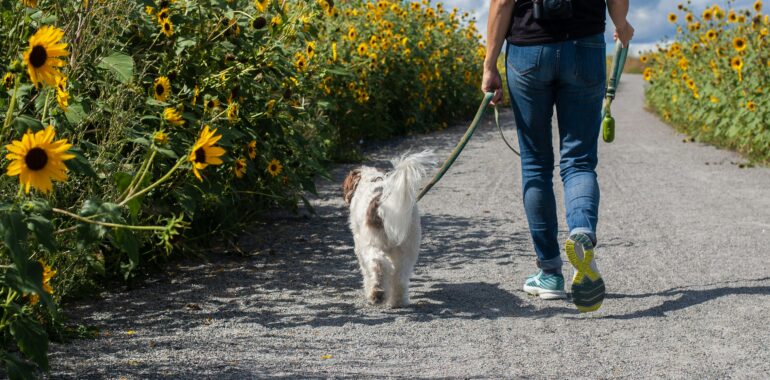
Step Into Vitality: Why Walking is the Ultimate Foundation for Every Fitness Journey
There is a profound, rhythmic simplicity to the act of walking that we often overlook in our quest for high-intensity transformations and complex gym routines. We tend to view exercise as a grueling battle—something that must involve heavy sweat, gasping breath, and specialized equipment to truly “count.” I spent years falling into the trap of thinking that if I wasn’t sprinting until my lungs burned, I wasn’t actually improving my health. Eventually, my joints began to feel the toll of that high-impact mindset, and I found myself craving a movement that felt more like a gift to my body than a punishment.
Reclaiming the walk as my primary form of daily movement shifted my entire perspective on what it means to be fit. It’s a low-impact, accessible, and remarkably effective way to build cardiovascular endurance, manage stress, and even shed unwanted weight without the metabolic burnout of more aggressive sports. Walking isn’t just about getting from point A to point B; it is a moving meditation that recalibrates the nervous system while strengthening the heart and lungs. Whether you are a seasoned athlete looking for active recovery or someone just starting your fitness path, the humble walk is the most sustainable tool in your arsenal.
The Biological Magic of the Daily Stride
From a scientific standpoint, walking is a powerhouse for your internal systems. Because it is a weight-bearing exercise, it helps maintain bone density and strengthens the muscles in your legs and core without putting excessive sheer force on your knees and hips. When you walk, your heart rate enters a “zone” that is ideal for fat oxidation, making it a secret weapon for those looking to improve their body composition over time.
Beyond the physical, the mental health benefits are staggering. Walking has been shown to lower cortisol levels—the hormone responsible for that “wired and tired” feeling we all get after a long day of work. It encourages the release of endorphins, providing a natural mood boost that is often more long-lasting than the “high” of a more intense workout. It’s a chance to disconnect from the digital world and reconnect with the physical environment around you.
Personal Tip: If you find it hard to stay motivated, try “temptation bundling.” I only allow myself to listen to my favorite true-crime podcasts or that one specific upbeat playlist when I am out for my walk. This creates a psychological craving for the exercise because my brain associates the movement with the entertainment I love. It turns the “I have to walk” into “I get to listen to my show,” and before I know it, I’ve hit five miles without checking the clock once.
Perfecting Your Form for Maximum Impact
While walking is natural, many of us develop “desk-posture” habits that carry over into our stride. To get the most out of every mile, you want to be intentional about your alignment. This ensures you are engaging the right muscles and protecting your lower back from strain.
Instructions for the Perfect Stride:
- Head Up: Look about 20 feet ahead of you, not at your feet. This keeps your neck in a neutral position.
- Shoulders Down: Consciously roll your shoulders back and down, away from your ears.
- Engage the Core: Imagine pulling your belly button slightly toward your spine to support your lower back.
- Heel-to-Toe: Land on your heel, roll through the arch, and push off with your toes. This “rolling” motion is what provides the power.
- Arm Swing: Keep your elbows bent at 90 degrees and swing them naturally. This helps build momentum and engages your upper body.
Personal Tip: To really activate your glutes (the biggest muscles in your body), focus on the “push-off” phase of your step. Instead of just picking your feet up and putting them down, imagine you are trying to push the pavement away behind you with your toes. This small mental shift engages your posterior chain and makes your walk a much more effective lower-body workout.
Variations to Level Up Your Routine
Once you’ve mastered the standard walk, you can introduce variations to keep your body guessing and increase the caloric burn. You don’t need a gym to make a walk feel like a “real” workout; you just need a change in terrain or pace.
Instructions for High-Intensity Walking:
- Intervals: Walk at your normal pace for three minutes, then “power walk” (as fast as you can without running) for one minute. Repeat this cycle for 30 minutes.
- Incline Training: Seek out a hill in your neighborhood. Walking uphill significantly increases the demand on your cardiovascular system and builds incredible strength in your calves and hamstrings.
- The “Weight” Factor: If you want to increase the challenge, consider “rucking”—which is simply walking with a weighted backpack. Start with just 5 or 10 pounds to add resistance without compromising your form.
Personal Tip: When I’m tackling hills, I shorten my stride. Taking smaller, more frequent steps on an incline helps maintain your heart rate without burning out your quads too quickly. It’s like shifting into a lower gear on a bicycle. Also, make sure you lean slightly into the hill from your ankles, not your waist, to keep your center of gravity stable.
Making Walking a Non-Negotiable Habit
The greatest challenge with walking isn’t the physical effort; it’s the consistency. Because it doesn’t feel “hard” in the traditional sense, it’s easy to talk ourselves out of it when we are busy. To see results, you have to treat your walk like a doctor’s appointment or a business meeting.
Instructions for Habit Building:
- The “10-Minute” Rule: Tell yourself you will only walk for ten minutes. Usually, once you are outside and moving, the “inertia” of staying on the couch disappears, and you’ll find yourself going much longer.
- Morning Sunlight: Try to get your walk in within the first hour of waking up. The natural light helps set your circadian rhythm, making it easier to fall asleep at night.
- Gear Up: Invest in a high-quality pair of walking-specific shoes. Running shoes are designed for different impact patterns; walking shoes provide the specific arch support and heel cushioning needed for a rolling stride.
Personal Tip: I keep my walking shoes right by the front door with my socks already tucked inside them. This “visual cue” removes one more barrier to getting started. I’ve also found that joining a local walking group or even just having a “walking date” with a friend twice a week adds a layer of social accountability that makes the miles fly by. It’s much harder to hit snooze when you know someone is waiting for you at the corner.
My Journey from the Treadmill to the Trail
I remember a period in my life where I felt completely burnt out on fitness. I had spent months doing high-intensity interval training (HIIT) five days a week, and instead of feeling strong, I felt exhausted, irritable, and chronically sore. I decided to take a “break” and just walk for thirty minutes every morning. I thought I would lose all my progress.
To my surprise, the opposite happened. My inflammation went down, my digestion improved, and my sleep became deeper than it had been in years. I realized that my body didn’t need more stress; it needed more movement. Walking gave me the space to think, to breathe, and to actually enjoy the process of being active. I started noticing the change in the seasons, the way the light hit the trees, and the small details of my neighborhood that I had previously zoomed past in my car. My experience taught me that fitness is a long game, and walking is the most sustainable way to play it.
Conclusion: Embracing the Path to Long-Term Health
Walking is the ultimate equalizer in the world of exercise. It doesn’t care about your age, your current fitness level, or your fancy gym memberships. It only asks that you put one foot in front of the other and commit to the journey. We have seen how this simple act can lower blood pressure, soothe a stressed mind, and provide a steady, reliable path toward weight management.
As you lace up your shoes today, remember that every step is a victory for your future self. Don’t worry about how fast you are going or how many people are passing you by; focus on the rhythm of your own breath and the feeling of your muscles working in harmony. Whether you are walking through a bustling city or a quiet park, you are participating in a timeless ritual of health and vitality. Step out the door, take a deep breath, and enjoy the beautiful, simple power of the walk. Your body was born for this.

I’m Brinley, and I believe in progress over perfection. My holistic journey started when I traded rigid fads for the 80/20 rule and nature-based remedies. I only share advice I’ve lived through—from botanical skincare that fixed my dry skin to easy kitchen hacks. I’m here to help you build a nourished life through small, intentional, and sustainable choices.