
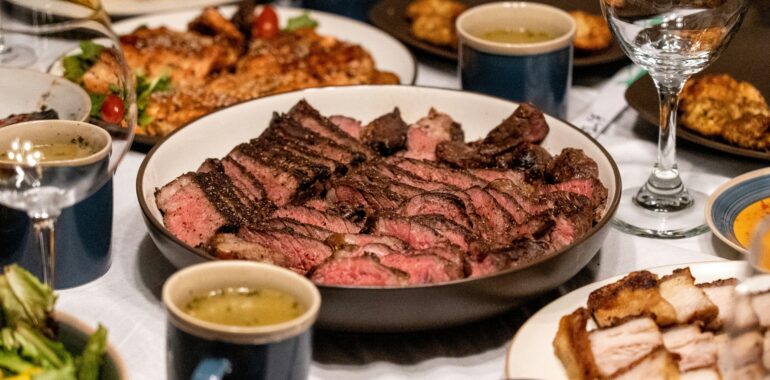
The “Home Bistro” Elevation: Restaurant-Style Healthy Recipes You Can Make at Home
For a while, I viewed “healthy home cooking” as the uninspired cousin of restaurant dining—a world of steamed vegetables and bland proteins that felt like a chore to eat. Previously, I reserved the “good food” for Friday nights out, convinced that the complex flavors and beautiful presentations of a bistro were impossible to replicate in my own cramped kitchen. It was easy to fall into the trap of thinking that “restaurant-quality” required sticks of butter and hidden sugars to taste great. Everything changed when I started studying the “pro-hacks” of high-end chefs. I discovered that the difference between a sad home meal and a five-star dish isn’t the calorie count; it’s the mastery of acidity, texture, and high-heat techniques.
The goal of “Home Bistro” cooking is to bridge the gap between nutrition and indulgence. I love the feeling of serving a meal that looks like it cost $40 but was made for $5 using fresh, whole ingredients. It’s about learning how to “build” a plate—layering crunch against creaminess and brightness against heat. When you understand the science of the Maillard Reaction (searing) and the power of a “finishing” acid, you stop “dieting” and start dining.
This guide explores four restaurant-style recipes that are deceptively simple, high in nutrients, and designed to impress even the toughest critics (including yourself).
The “Chef’s Secret” Trio: Why Restaurant Food Tastes Better
Before we cook, we have to understand the three pillars that elevate a dish from “home cook” to “executive chef.”
1. The Acid Finish
Restaurants almost always finish a dish with a squeeze of lemon or a splash of high-quality vinegar.
- The Science: Acid cuts through fat and “wakes up” the palate, making the other flavors pop without needing extra salt.
2. The Maillard Reaction (The Sear)
That brown, crispy crust on a piece of salmon or a cauliflower steak isn’t just for looks; it’s a chemical reaction between amino acids and reducing sugars that creates hundreds of different flavor compounds.
3. The “Texture Forest”
A great dish always has a “crunch.” Restaurants use toasted seeds, pickled onions, or fresh herbs to add layers of texture.
Personal Tip: I keep a “Finishing Kit” on my counter: a bottle of high-quality balsamic, a jar of toasted pumpkin seeds, and a bowl of fresh lemons. Adding these to a dish right before it hits the table is the fastest way to make it feel like a restaurant meal.
Recipe 1: Pan-Seared Salmon with “Bright” Pea & Mint Puree
This looks like a $35 entree at a coastal bistro. The vibrant green puree provides a massive hit of fiber and Vitamin C.
- The Fix: Replace heavy cream sauces with a high-fiber vegetable puree.
- The Technique: Skin-side down searing for maximum crispiness.
The Instructions
- The Puree: Boil 2 cups of frozen peas for 3 minutes. Blend with a handful of fresh mint, a squeeze of lemon, and a splash of broth until silky smooth.
- The Sear: Pat your salmon fillet bone-dry. Place in a hot pan with a teaspoon of avocado oil, skin-side down. Press down with a spatula for 30 seconds to ensure the skin doesn’t curl.
- The Plating: Smear the green puree on a plate, top with the salmon, and finish with a sprinkle of pea shoots or microgreens.
Recipe 2: The “Steakhouse” Cauliflower Steak with Chimichurri
Vegetable-forward dining is a massive trend in high-end restaurants. This turns a humble head of cauliflower into a savory, umami-rich centerpiece.
- The Fix: A high-volume, low-calorie “steak” that satisfies the savory craving.
- The Technique: High-heat roasting followed by a fresh herb oil.
The Instructions
- The Cut: Slice a head of cauliflower into 1-inch thick “steaks.”
- The Roast: Brush with olive oil, smoked paprika, and garlic powder. Roast at 425°F until the edges are charred and the center is tender.
- The Chimichurri: Pulse parsley, garlic, red chili flakes, olive oil, and red wine vinegar in a blender. Drizzle generously over the hot cauliflower.
Personal Tip: The key here is the char. Don’t be afraid of those dark brown edges; that’s where the “steakhouse” flavor lives!
Recipe 3: Bistro-Style “Massage” Kale Salad with Crispy Chickpeas
Most people hate kale because they eat it raw and tough. Restaurants “massage” the leaves to break down the cellulose, making it tender and sweet.
- The Fix: A high-fiber, antioxidant-dense salad that feels like a luxury side dish.
- The Technique: Mechanical breakdown of the greens and oven-roasting for crunch.
The Instructions
- The Massage: Place chopped kale in a bowl with a drizzle of olive oil and a pinch of salt. Squeeze the leaves with your hands for 2 minutes until they turn dark green and soft.
- The Crunch: Toss canned chickpeas in cumin and salt; roast at 400°F until crunchy.
- The Assembly: Top the kale with the chickpeas, shaved parmesan (optional), and a lemon-tahini dressing.
Recipe 4: Thai-Inspired Coconut & Ginger “Rescue” Soup
This has the depth of a 48-hour bone broth but takes 20 minutes. It’s the ultimate “spa” meal for when you feel run down.
- The Fix: Anti-inflammatory ginger and turmeric in a hydrating, satisfying broth.
- The Technique: “Blooming” the aromatics in oil before adding liquid.
The Instructions
- The Bloom: Sauté grated ginger, garlic, and red curry paste in a pot for 2 minutes until the kitchen smells incredible.
- The Simmer: Add one can of light coconut milk and 2 cups of veggie broth. Add sliced mushrooms and bok choy.
- The Zest: Finish with a squeeze of lime and fresh cilantro.
You Are the Executive Chef
Creating restaurant-quality meals at home isn’t about having a professional kitchen; it’s about having a professional mindset. When you stop seeing cooking as a chore and start seeing it as a craft, your health follows naturally. By mastering the sear, the acid, and the texture, you create a life where you never feel like you’re “missing out” on good food. Pull out your nice plates, dim the lights, and enjoy a meal that nourishes your body as much as it delights your palate.
Final Tip: Learn to “Plate with Height.” Instead of spreading food flat across a plate, stack your protein on top of your veggies or grains. This small visual trick is exactly what high-end restaurants do to make a portion look more significant and elegant!

I’m Brinley, and I believe in progress over perfection. My holistic journey started when I traded rigid fads for the 80/20 rule and nature-based remedies. I only share advice I’ve lived through—from botanical skincare that fixed my dry skin to easy kitchen hacks. I’m here to help you build a nourished life through small, intentional, and sustainable choices.