
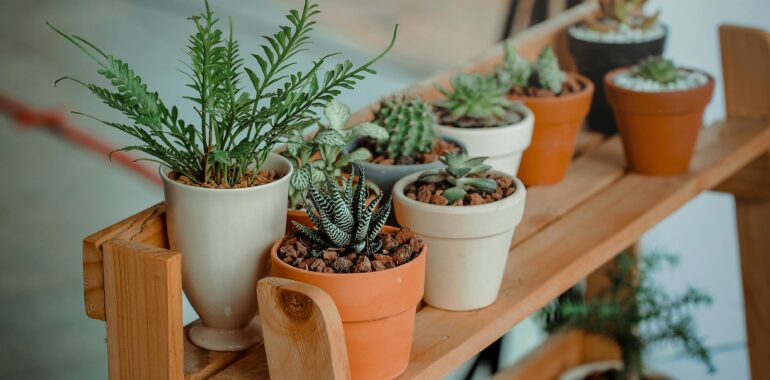
Bringing Nature Indoors: The Benefits of Houseplants
When I first started my journey toward a more natural home, I focused entirely on the things I could touch and eat—the organic linens and the clean pantry staples. My initial oversight was the air I was breathing and the visual “emptiness” of my living space. I eventually noticed that my apartment felt sterile and disconnected from the rhythms of the earth. I realized that I was spending 90% of my time indoors, yet I hadn’t brought any of the life-sustaining energy of the forest inside with me.
I’ve since discovered that houseplants are the “silent healers” of the home. They don’t just sit there looking pretty; they are actively working to scrub toxins from your air, release moisture into dry indoor environments, and lower your cortisol levels just by being in your field of vision. I found that as my indoor jungle grew, my creativity soared and my respiratory health improved. It’s a simple, profound way to remind your nervous system that you are still connected to the natural world, even in the middle of a city.
This guide explores the multifaceted benefits of bringing nature indoors. We will look at the science of phytoremediation (air cleaning), the psychological impact of greenery, and practical tips for choosing the right plants for your specific environment. It’s time to transform your house into a living, breathing sanctuary.
The Science of Living Air: Phytoremediation
We often think of air pollution as an “outdoor” problem, but indoor air can be significantly more congested with Volatile Organic Compounds (VOCs) from furniture, paint, and cleaning products.
1. The NASA Study and Air Filtration
In the late 1980s, NASA conducted a landmark study showing that certain houseplants can remove up to 87% of air toxins in just 24 hours. Plants like the Peace Lily and the Snake Plant are particularly effective at filtering formaldehyde, benzene, and trichloroethylene.
- The Move: Place at least one medium-sized plant for every 100 square feet of living space to begin seeing a measurable difference in air quality.
Personal Tip: I prioritize placing “air-scrubbers” like the Snake Plant in my bedroom. I’ve found that because they release oxygen at night (unlike most plants that do so during the day), they help me wake up feeling much more refreshed and less “stuffy.”
2. Natural Humidity Control
Plants release roughly 97% of the water they take in through a process called transpiration. This act as a natural, low-maintenance humidifier.
Personal Tip: If you suffer from dry skin or sinus issues in the winter, group your plants together in a “cluster.” I’ve found that creating a small “micro-climate” of plants in the corner of the room significantly raises the local humidity levels more effectively than a single isolated pot.
The Psychological Edge: Greenery and the Brain
The benefits of plants extend far beyond the lungs; they have a profound impact on our mental landscape and stress resilience.
1. Reducing the “Fight or Flight” Response
Studies in the Journal of Physiological Anthropology found that interacting with indoor plants—such as pruning, watering, or simply looking at them—can reduce psychological and physiological stress.
- The Science: Being around plants suppresses sympathetic nervous system activity and lowers diastolic blood pressure.
Personal Tip: I keep a small Pothos plant directly on my desk, within my peripheral vision while I work. I’ve found that during high-stress meetings, simply resting my eyes on the green leaves for 30 seconds helps lower my heart rate and brings me back to a state of focus.
2. Boosting Productivity and Creativity
Research suggests that students and workers in “green” environments show a 15% increase in productivity and better performance on creative tasks.
Personal Tip: I use “living decor” in my creative space rather than static art. I’ve found that watching a new leaf unfurl on my Monstera provides a subtle sense of progress and vitality that keeps me motivated during long writing sessions.
Choosing the Right Plant for Your Space
The biggest barrier to indoor gardening is the fear of “killing” the plant. The secret is matching the plant’s biological needs to your home’s reality.
1. Low-Light Survivors
If you have a north-facing room or small windows, you need plants that evolved on the forest floor under dense canopies.
- The Best Options: ZZ Plant, Cast Iron Plant, and various Sansevieria (Snake Plants).
Personal Tip: If you are a beginner, start with a ZZ Plant. I’ve found that they are almost indestructible; they can thrive in near-darkness and don’t mind if you forget to water them for a couple of weeks.
2. The Bright Light Lovers
For sunny windowsills or sunrooms, you want plants that can handle direct UV rays without scorching.
- The Best Options: Bird of Paradise, Aloe Vera, and Fiddle Leaf Figs.
Personal Tip: When moving a plant to a sunny window, do it gradually. I’ve found that “hardening off” an indoor plant by giving it an hour of sun a day for a week prevents the leaves from turning yellow or getting “sunburned” from the sudden change.
Practical Care for a Natural Sanctuary
Caring for plants should be a ritual, not a chore. It is an act of nurturing that rewards you with growth.
1. The Finger Test for Watering
The number one killer of houseplants is overwatering, which leads to root rot.
- The Move: Stick your finger two inches into the soil. If it feels damp, wait. If it’s dry, it’s time for a drink.
Personal Tip: I use filtered or “set-out” water for my more sensitive plants like Calatheas. I’ve found that letting tap water sit in a pitcher overnight allows the chlorine to evaporate, which prevents the brown, crispy edges that often plague indoor foliage.
2. Cleaning the Leaves
Dust accumulates on leaves, blocking the “pores” (stomata) and making it harder for the plant to photosynthesize and clean your air.
Personal Tip: I wipe my plant leaves once a month with a damp cloth and a tiny drop of diluted neem oil. I’ve found that this doesn’t just keep them shiny and beautiful; it also acts as a natural deterrent for common indoor pests like spider mites.
3. Proper Drainage is Non-Negotiable
Never plant directly into a pot that doesn’t have a hole in the bottom.
Personal Tip: I always use “nursery pots” inside my decorative ceramic planters. I’ve found that this allows me to take the plant to the sink, water it thoroughly until it drains out the bottom, and then pop it back into the pretty pot without worrying about stagnant water at the roots.
Creating Your Living Sanctuary
Bringing nature indoors is an investment in your long-term health and happiness. It’s about creating a home that supports your biology rather than just housing your belongings. As you add more greenery to your space, you’ll start to notice a shift in the energy of your home—it becomes quieter, fresher, and more vibrant. You aren’t just decorating; you are cultivating a relationship with the natural world that will sustain you through every season.
Final Tip: If you have pets, always check the toxicity of a plant before bringing it home. I’ve found that many popular plants, like Lilies and Pothos, can be harmful to cats and dogs, so I opt for pet-safe varieties like Spider Plants or Boston Ferns to keep everyone in my sanctuary safe.

I’m Brinley, and I believe in progress over perfection. My holistic journey started when I traded rigid fads for the 80/20 rule and nature-based remedies. I only share advice I’ve lived through—from botanical skincare that fixed my dry skin to easy kitchen hacks. I’m here to help you build a nourished life through small, intentional, and sustainable choices.