
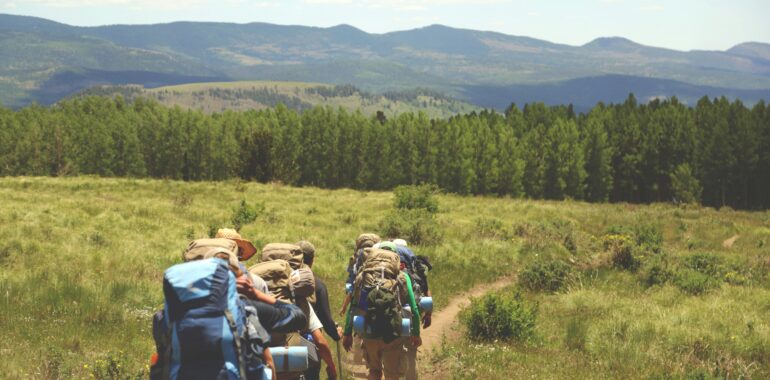
Hiking for Beginners: Essential Tips for Your First Trail Adventure
When I first considered hitting the trails, I felt completely out of my element. I looked at professional hikers with their high-tech GPS units and heavy-duty gear and assumed that hiking was a sport reserved for the ultra-fit or the highly experienced. My initial approach was to avoid the woods entirely, sticking to paved park paths because they felt “safe.” I eventually realized, however, that the wilderness doesn’t belong to the experts; it belongs to anyone willing to take that first, curious step into the trees.
I’ve since learned that a successful first hike isn’t about how many miles you cover or how steep the incline is. It’s about the preparation that allows you to feel secure and present in the moment. When you have the right footwear, a well-packed bag, and a trail that matches your current ability, the forest stops being intimidating and starts being restorative. I found that by starting small and focusing on the “essentials,” I built a foundation of confidence that eventually led me to summits I never thought I’d reach.
This guide is designed to take the guesswork out of your first trail adventure. We’ll cover everything from the “gold standard” of hiking shoes to the essential items you should never leave without. Whether you’re heading out for a 30-minute loop or a half-day trek, these tips will ensure your first experience is safe, joyful, and the start of a lifelong love affair with the great outdoors.
1. The Foundation: Choosing Your Trail Shoes
Your connection to the earth starts with your feet. While you might be tempted to just wear your regular gym sneakers, hiking trails present unique challenges—roots, loose rocks, and slippery mud—that require specialized support.
Boots vs. Trail Runners
For beginners, the debate usually comes down to ankle support versus weight.
- Hiking Boots: Offer superior ankle stability and protection against stubs, but they are heavier and can lead to faster leg fatigue.
- Trail Runners: These are essentially reinforced sneakers with “lugged” soles for grip. They are lightweight and breathable, making them a favorite for many modern hikers.
Personal Tip: I always shop for my hiking shoes in the late afternoon. I’ve found that your feet naturally swell throughout the day, just as they will on a long hike. By trying on shoes when your feet are at their largest, you avoid the painful “toe-bang” that happens on downhill stretches.
The Sock Secret
Never wear 100% cotton socks on the trail. Cotton absorbs moisture and holds it against your skin, which is the fast track to blisters.
Personal Tip: I swear by “double-layering” or using merino wool socks. I’ve found that a thin liner sock made of synthetic material underneath a wool sock allows the two fabrics to rub against each other rather than your skin rubbing against the shoe, virtually eliminating blisters.
2. Navigation: Finding the Perfect Beginner Trail
Not all trails are created equal. A “moderate” trail in the mountains might feel like an “expert” trail to someone living at sea level.
Use the 3-Mile Rule
For your very first outing, I suggest looking for a trail that is no more than 3 miles long with less than 500 feet of elevation gain. This allows you to test your gear and your stamina without being “trapped” miles away from your car.
Personal Tip: I use apps like AllTrails, but I always read the most recent “User Reviews” from within the last 48 hours. I’ve found that official trail descriptions don’t mention things like recent mudslides, aggressive insects, or downed trees that can turn a beginner stroll into a stressful scramble.
Loop vs. Out-and-Back
A “Loop” trail gives you new scenery the whole time, but an “Out-and-Back” (where you turn around at a certain point) is often easier for beginners because the return journey is already familiar.
3. The “Ten Essentials” Simplified
You don’t need a 40-liter pack for a day hike, but you should always carry a small “just in case” kit. Even on a short trail, things like a sudden weather shift or a wrong turn can happen.
- Navigation: A physical map or a downloaded offline map (don’t rely on cell service).
- Sun Protection: SPF, a hat, and sunglasses.
- Insulation: An extra layer, even if it’s warm when you start.
- Illumination: A small headlamp or flashlight (your phone battery is too precious to use as a light).
- First Aid: Band-aids, moleskin for blisters, and antiseptic wipes.
- Fire: A simple lighter or waterproof matches.
- Repair Kit/Tools: A small multi-tool or even just a bit of duct tape.
- Nutrition: At least 200–500 extra calories (energy bars or nuts).
- Hydration: More water than you think you’ll need.
- Emergency Shelter: A lightweight space blanket (they are the size of a wallet and can save a life).
Personal Tip: I keep my “Essentials Kit” inside a waterproof dry-bag that stays permanently packed. I’ve found that having a “grab-and-go” bag means I never accidentally leave behind my first-aid kit or headlamp because I was in a rush to get to the trailhead.
4. Trail Etiquette: Respecting the Path
Hiking has a set of unwritten “rules” that keep the experience pleasant for everyone and protect the environment.
- Uphill Right of Way: Hikers going uphill are working harder and have a smaller field of vision. Always step aside to let them pass.
- Leave No Trace: This goes beyond just not littering. It means staying on the marked trail to prevent soil erosion and leaving every rock and wildflower exactly where you found it.
- The Sound of Silence: If you listen to music, use earbuds. Most people are on the trail to hear the wind and the birds, not someone else’s playlist.
Personal Tip: I carry a small, empty zip-lock bag tucked in a side pocket of my backpack. I’ve found that picking up even one or two pieces of “micro-trash” (like a stray granola bar wrapper) left by others makes me feel more like a steward of the trail rather than just a visitor.
5. Safety: The “Flight Plan”
Even on the most popular trails, you should never go out without someone knowing where you are.
- Tell a “Trail Buddy”: Send a text to a friend with the name of the trail, where you are parking, and your “expected back” time.
- Check the Weather: Mountain weather changes fast. If there is a 30% chance of thunderstorms, save the hike for another day.
Personal Tip: I always take a photo of the “Trailhead Map” before I start walking. I’ve found that if I ever feel disoriented, looking at the photo on my phone screen (which I can zoom in on) is often clearer and more helpful than trying to remember the mental image of the sign at the parking lot.
Your Journey Begins Here
Hiking is the ultimate “slow wellness.” It’s an opportunity to unplug from the digital world and plug back into the rhythm of your own breath and the rustle of the leaves. Don’t worry about being fast, and don’t worry about looking like a pro. Focus on the feeling of the fresh air in your lungs and the strength in your legs. With every step, you are becoming more connected, more resilient, and more at home in the natural world.
Final Tip: When you get home from your first hike, take five minutes to write down one thing you loved and one thing you’d do differently (like bringing more snacks or different socks). I’ve found that this “debrief” is the best way to turn a one-time adventure into a sustainable, joyful hobby.

I’m Brinley, and I believe in progress over perfection. My holistic journey started when I traded rigid fads for the 80/20 rule and nature-based remedies. I only share advice I’ve lived through—from botanical skincare that fixed my dry skin to easy kitchen hacks. I’m here to help you build a nourished life through small, intentional, and sustainable choices.