
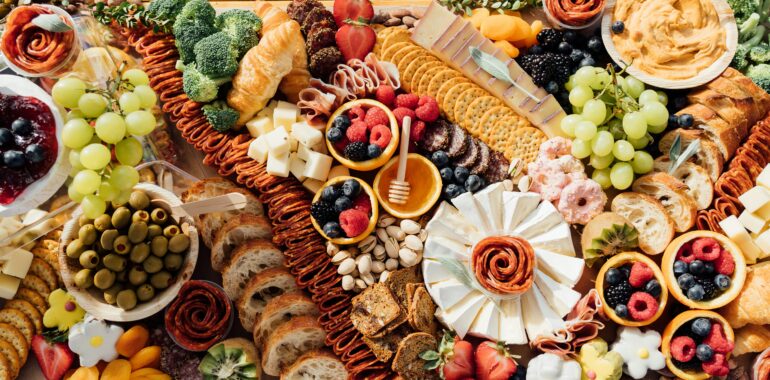
The Art of the Curated Board: 5 Charcuterie Themes for Every Occasion
For a long time, I associated the word “charcuterie” with nothing more than a tray of processed meats and standard cheddar cheese. Previously, my approach to hosting involved grabbing a pre-packaged deli platter and a box of buttery white crackers, resulting in a table that felt uninspired and left my guests feeling heavy. It was easy to believe that a “meat and cheese board” was inherently unhealthy—a sodium-heavy indulgence that lacked nutritional substance. Everything changed when I started looking at the “anatomy of a board” through a wellness lens. I discovered that a charcuterie board is actually the ultimate “deconstructed salad,” a way to provide a massive variety of micronutrients, healthy fats, and probiotics in a way that feels celebratory and indulgent.
The goal of a modern charcuterie board is to provide a “choose your own adventure” style of eating that prioritizes Satiety, Color, and Quality. I love the communal nature of a board. It encourages slow eating, conversation, and a rhythmic grazing that prevents the “over-stuffing” often associated with traditional sit-down meals. When you move beyond the “meat and cheese” mindset and start incorporating seasonal fruits, sprouted nuts, and fermented dips, you create a culinary centerpiece that is as nourishing as it is beautiful.
This guide explores five distinct charcuterie themes, ranging from the classic Mediterranean to a “Build-Your-Own” breakfast board. We’ll look at the “Rule of Three” for styling and share how to build boards that cater to every health goal and flavor profile.
The Anatomy of a Healthy Board: The “Rule of Three”
To ensure your board is balanced both aesthetically and nutritionally, I follow a simple structural guide:
- Three Proteins: Mix textures—think one hard cheese, one soft goat cheese, and one plant-based protein like spiced chickpeas or smoked tempeh.
- Three Fibers: This is where most boards fail. You need a “forest” of vegetables, fresh fruits, and high-fiber seeded crackers.
- Three “Zings”: These are your metabolic boosters. Think fermented pickles, olives, and a spicy mustard or honey. These “zings” aid in digestion and cut through the richness of the fats.
Personal Tip: I always build my boards from the “inside out.” I place my small bowls of dips and “zings” first to create anchors, then I build the “river” of crackers and cheese around them. It makes the board look professional without needing an art degree!
Board 1: The “Mediterranean Longevity” Board
This board focuses on the staples of the Blue Zones: healthy monounsaturated fats and antioxidant-rich produce.
- The Protein: Fresh Mozzarella pearls, Marinated Feta, and Prosciutto di Parma (thinly sliced).
- The Fiber: Sliced Cucumbers, Roasted Artichoke hearts, and Dried Apricots (no sugar added).
- The “Zing”: Kalamata Olives, a bowl of Pesto, and Balsamic Glaze for drizzling.
- The Base: Whole-grain sourdough baguette slices.
Why it works: The combination of olive oil (fats) and fiber-rich artichokes creates a slow-burning energy source. This is the perfect “Happy Hour” board that won’t leave you feeling bloated before dinner.
Board 2: The “Plant-Powered” Mezze
A 100% vegan spread that focuses on high-protein legumes and vibrant, raw textures.
- The Protein: Turmeric Hummus, Herbed Cashew “Cheese,” and Smoky Roasted Almonds.
- The Fiber: Rainbow Carrots, Snap Peas, and Sliced Radishes.
- The “Zing”: Pickled Red Onions (home-pickled for extra probiotics), Cornichons, and a Spicy Harissa dip.
- The Base: Flaxseed crackers and Cucumber “rounds” (using the veggie as the cracker!).
Personal Tip: For vegan boards, I love using “dipping vegetables” like endive leaves or mini bell peppers instead of bread. It keeps the board ultra-light and ensures everyone gets their daily serving of greens in a fun way.
Board 3: The “Keto-Friendly” High-Fat Spread
Designed for those prioritizing stable blood sugar and healthy ketosis, focusing on high-quality fats and minimal sugars.
- The Protein: Sharp Aged Cheddar, Salami Nuggets, and Hard-Boiled Egg halves (topped with everything bagel seasoning).
- The Fiber: Celery sticks, Pecan halves, and a few Blackberries (the lowest-sugar fruit).
- The “Zing”: Spicy Brown Mustard, Macadamia nuts, and pickled Jalapeños.
- The Base: Parmesan “Whisps” or Pork Rinds (for that essential crunch without the carbs).
Why it works: By removing the bread and honey, you eliminate the glucose spike. The high protein and fat content trigger the release of Leptin, the hormone that tells your brain you are full, making this a very difficult board to overeat.
Board 4: The “Antioxidant” Fruit & Nut Board
The perfect “dessert” board or mid-afternoon energy booster that satisfies a sweet tooth naturally.
- The Protein: Whipped Ricotta (with a dash of lemon), Walnuts (the brain-health king), and Pistachios.
- The Fiber: Sliced Pears, Fresh Raspberries, and Dark Chocolate squares (at least 85% cacao).
- The “Zing”: A small honeycomb, crystallized ginger pieces, and fresh Mint leaves.
- The Base: Sliced Green Apples (brushed with lemon to prevent browning).
Personal Tip: I use the sliced apples as the “vehicle” for the ricotta and honey. It’s crunchy, sweet, and provides much more nutrition than a standard cookie or sweet cracker.
Board 5: The “Rise & Shine” Breakfast Board
Reinventing brunch by moving away from heavy pancakes and toward a deconstructed, high-protein morning spread.
- The Protein: Smoked Salmon (Lox), Soft-Boiled Eggs, and Greek Yogurt (in a small central bowl).
- The Fiber: Sliced Tomatoes, Red Onion slivers, and Avocado wedges.
- The “Zing”: Capers, Lemon wedges, and Microgreens.
- The Base: Thinly sliced Sprouted Grain toast or mini Rye bread.
Why it works: This is a “Satiety Hero.” The combination of protein from the salmon and eggs, plus the healthy fats from the avocado, provides a “slow-drip” of energy that prevents the mid-morning slump often caused by sugary breakfast cereals.
Styling for Success: The “Visual Satiety” Effect
Science shows that we are more satisfied with our food when it looks abundant and colorful. This is known as Visual Satiety. * The “No-Gap” Policy: A healthy board should look crowded. Fill small gaps with “filler” foods like grapes, nuts, or fresh herbs. This tricks the brain into perceiving abundance, which can actually help prevent overeating.
- Color Psychology: Aim for at least four different colors. The colors in plants represent different Phytonutrients (e.g., purple in grapes is resveratrol, orange in carrots is beta-carotene). A colorful board is a nutritionally complete board.
Personal Tip: I always finish my boards with a “sprinkle of life”—a dusting of hemp seeds, a few red pepper flakes, or a handful of microgreens. It adds that final layer of micronutrients and makes the whole spread look like it came from a high-end bistro.
The Board as a Lifestyle
The beauty of the charcuterie board is its adaptability. It can be a light snack for two or a massive, nutrient-dense dinner for ten. By applying the “Rule of Three” and focusing on the quality of your “Fibers and Zings,” you turn a simple platter into a strategic health tool. You aren’t just serving food; you’re serving an experience that respects your guests’ bodies and palates. So, the next time you find yourself reaching for a pre-made deli tray, remember that you have the power to engineer something far better. Start with the Mediterranean board—it’s the perfect introduction to the world of “functional” charcuterie.
Final Tip: Keep a “Board Kit” in your pantry! Have a dedicated wooden board, a few small ceramic bowls, and a set of cheese knives ready to go. When the tools are easily accessible, you’re much more likely to choose a healthy board over a quick, processed snack!

I’m Brinley, and I believe in progress over perfection. My holistic journey started when I traded rigid fads for the 80/20 rule and nature-based remedies. I only share advice I’ve lived through—from botanical skincare that fixed my dry skin to easy kitchen hacks. I’m here to help you build a nourished life through small, intentional, and sustainable choices.