
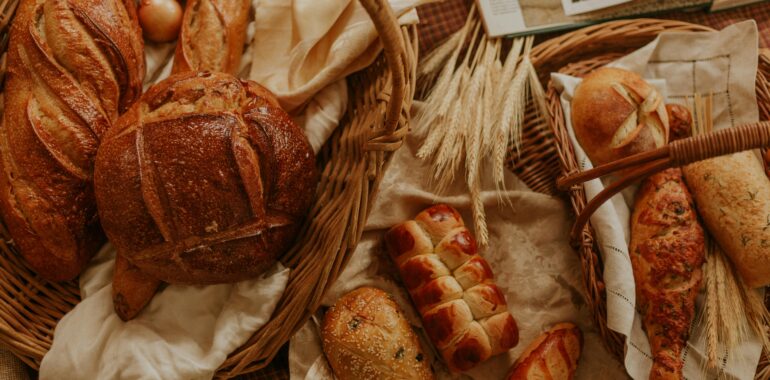
Wholesome Breads: Nourishing Options You Can Feel Good About
Initially, I viewed bread as the ultimate “enemy” of a healthy lifestyle. I had fallen into the trap of believing that all grains were inherently inflammatory and that a “clean” diet meant giving up the comfort of a warm, crusty loaf forever. My initial approach was to replace bread with processed, store-bought gluten-free alternatives that were often packed with gums, starches, and synthetic binders. I eventually noticed that these “healthier” swaps left me feeling more bloated and less satisfied than the original versions. I realized that the problem wasn’t the bread itself, but the way modern processing had stripped it of its life-force.
I’ve since learned that when bread is made using traditional methods and heirloom grains, it becomes a functional food. Whether it is a slow-fermented sourdough that supports gut health or a sprouted grain loaf that is easy on the blood sugar, there are plenty of ways to enjoy bread that actually contributes to your vitality. I found that by shifting my focus from “low-carb” to “high-quality,” I could reintroduce the joy of baking and eating bread into my daily ritual without any of the old guilt or digestive distress.
This guide explores the world of wholesome breads. We will look at the science of fermentation, the benefits of ancient grains, and provide two distinct recipes—one traditional and one grain-free—to help you start your own baking journey at home.
The Gold Standard: Traditional Sourdough and Fermentation
Sourdough is not just a flavor; it is a transformative biological process. Unlike commercial bread that uses quick-rise yeast, traditional sourdough relies on a long fermentation process that “pre-digests” the grain for you.
- The Benefit: Bacteria begin to eat the gluten and phytic acid (an anti-nutrient) found in the wheat, making the final loaf significantly easier on the gut and increasing the bioavailability of minerals like iron and zinc.
Personal Tip: I always look for “Long Fermented” on the label if I’m buying bread at a bakery. I’ve found that many grocery store brands use “sourdough flavoring” and commercial yeast to save time, which completely bypasses the digestive benefits of the true fermentation process.
Ancient Grains: Reclaiming the “Original” Wheat
If you want to step away from modern hybridized wheat, ancient grains like Einkorn are a fantastic option. Einkorn is the only wheat that has never been hybridized; it has a different gluten structure that many people with mild sensitivities find much easier to tolerate.
Personal Tip: I use Einkorn for almost all my home baking now. I’ve found that it has a slightly sweet, nutty flavor that allows me to reduce the amount of natural sweetener I add to recipes, and it doesn’t leave me with that “heavy” feeling in my stomach after a meal.
Recipe 1: The “No-Knead” Overnight Einkorn Loaf
This recipe is the perfect entry point for beginners. It uses the “long rest” method to develop flavor and texture naturally.
- Category: Ancient Grains / Easy Baking
- Prep time: 10 minutes (plus 12-hour rest)
- Cook time: 40 minutes
The Ingredients
- 4 cups Einkorn Flour (Whole grain or all-purpose)
- 1.5 cups Filtered Water (Lukewarm)
- 1 tsp Sea Salt
- 1/2 tsp Active Dry Yeast
- 1 Tbsp Raw Honey (To feed the yeast)
The Instructions
- The Mix: In a large glass bowl, whisk the flour and salt. In a separate small jar, dissolve the honey and yeast in the lukewarm water.
- Combine: Pour the liquid into the flour. Stir with a wooden spoon until a shaggy, sticky dough forms. Do not overmix! Einkorn gluten is fragile.
- The Long Rest: Cover the bowl with a damp cloth or beeswax wrap. Let it sit on your counter for 12–15 hours (overnight is best).
- The Shape: Preheat your oven to 425°F (220°C). Place a Dutch oven (cast iron pot) inside to heat up. Gently fold the dough onto a floured surface—just a few folds to form a ball.
- The Bake: Carefully place the dough into the hot Dutch oven. Cover with the lid and bake for 30 minutes.
- The Finish: Remove the lid and bake for another 10 minutes to get that golden, crusty top. Let it cool completely before slicing.
Personal Tip: Einkorn absorbs water differently than modern wheat. I’ve found that the dough will look “too wet” compared to traditional dough, but resist the urge to add more flour! I’ve found that the high moisture content is what gives this ancient grain its soft, cake-like crumb.
The Grain-Free Alternative: High-Protein Satiety
For those who are strictly avoiding grains or looking for a quick, blood-sugar-stable option, seed and nut-based breads are the answer. They are naturally high in protein and healthy fats, which creates a very low glycemic response.
Recipe 2: The 90-Second Paleo “Blender” Bread
A grain-free, high-protein alternative for when you want a “bread” fix without the 12-hour wait.
- Prep time: 2 minutes
- Cook time: 90 seconds
- Category: Grain-Free / High-Protein
The Ingredients
- Pinch of Salt
- 1/3 cup Superfine Almond Flour
- 1 Tbsp Ground Flaxseed (For fiber and “binding”)
- 1 Large Egg (Pasture-raised is best)
- 1/2 tsp Baking Powder
- 1 tsp Melted Coconut Oil or Ghee
The Instructions
- Whisk: In a small, greased microwave-safe ramekin or square glass container, whisk all ingredients together until smooth.
- The Rise: Microwave on high for 90 seconds. (Alternatively, bake at 350°F for 12–15 minutes).
- The Toast: Pop the bread out of the container. Slice it in half to create two “slices.”
- The Final Touch: I always finish this in the toaster or a dry pan. I’ve found that toasting the slices makes the texture indistinguishable from a toasted English muffin.
Personal Tip: I like to add a teaspoon of dried rosemary and some garlic powder to the batter. I’ve found that these savory additions mask the “eggy” scent that grain-free breads sometimes have, making it the perfect base for a turkey sandwich or avocado toast.
How to Select the Best Loaf: A Quick Checklist
When you are standing in the bread aisle and don’t have time to bake, keep these rules in mind to ensure you are getting a truly wholesome product.
- The Five-Ingredient Rule: Real bread only needs flour, water, salt, and a starter/yeast. Avoid breads with long lists of preservatives or gums.
- Avoid “Enriched” Flour: This is refined flour stripped of nutrients. Look for “Whole,” “Sprouted,” or “Ancient” on the label.
- No Added Sugars: Commercial breads often use cane sugar to speed up the rise. Wholesome bread doesn’t need it.
Personal Tip: I always smell the bread before I buy it. I’ve found that a true sourdough or sprouted loaf should have a distinct, slightly sour or earthy aroma. If it smells like nothing, it’s likely been highly processed.
Reclaiming the Daily Bread
Bread has been a symbol of community and nourishment for millennia. By choosing options that are fermented, sprouted, or made from ancient grains, you are participating in a tradition that honors both your body and the earth. You don’t have to sacrifice your love of bread to live a holistic life; you simply have to choose bread that loves you back. When you fill your kitchen with the scent of real, wholesome grain, you are bringing a sense of groundedness and vitality to every meal.
Final Tip: When baking the Einkorn loaf, toss two ice cubes into the bottom of the oven (not the pot) right as you close the door. I’ve found that the burst of steam creates a much crispier, professional-grade crust that rivals any artisan bakery.

I’m Brinley, and I believe in progress over perfection. My holistic journey started when I traded rigid fads for the 80/20 rule and nature-based remedies. I only share advice I’ve lived through—from botanical skincare that fixed my dry skin to easy kitchen hacks. I’m here to help you build a nourished life through small, intentional, and sustainable choices.