
Superfoods: Are They Really “Super”?
I’ll be the first to admit that I used to fall for every “miracle berry” or “ancient grain” that hit the health food shelves. I spent years thinking that if I just added enough spirulina or goji berries to my diet, I could cancel out a lack of sleep or a high-stress lifestyle. It wasn’t until I started looking at the actual clinical data that I realized “superfood” is a word created by the food industry, not by biologists. I found that while these foods are undeniably healthy, the “magic” isn’t in a single exotic berry—it’s in the consistent intake of specific compounds found in many everyday plants.
I’ve since learned that the real power of these foods lies in their Nutrient Density—the ratio of micronutrients like vitamins and minerals to the total caloric load. I love knowing that some of the most “super” foods on the planet are actually humble staples like blueberries or spinach, rather than expensive powders from halfway across the world. It’s about moving away from the hunt for a “silver bullet” and returning to a diverse, whole-food approach that hits all the right biological notes.
This guide explores the science behind the hype. We’ll look at what makes a food actually dense in nutrients and share the four “everyday” superfoods that actually live up to the name.
The Biology of Nutrient Density: Why It Matters
In science, we don’t look for “superpowers”; we look for Phytochemicals and Antioxidants. These are the compounds that help our cells manage oxidative stress.
1. The Antioxidant Defense
Every day, our cells face damage from free radicals (unstable molecules). Antioxidants like Anthocyanins (found in purple foods) and Vitamin C neutralize these molecules.
Personal Tip: I look for the deepest colors when I’m grocery shopping. The pigment in a fruit or vegetable is often the literal antioxidant itself. I’ve switched from buying pale iceberg lettuce to dark, leafy kale or radicchio because that color represents a higher “defense” score for my cells.
2. Bioavailability: The Missing Link
A food can be packed with vitamins, but if your body can’t absorb them, it doesn’t matter. This is why “super-powders” are often less effective than whole foods.
Personal Tip: I always pair my “super-greens” with a healthy fat like avocado or olive oil. Vitamins A, D, E, and K are fat-soluble, meaning they need fat to be absorbed. I used to eat plain steamed broccoli, but I realized I was missing out on half the nutrients until I started adding a drizzle of grass-fed butter or oil.
Four “Everyday” Superfoods Backed by Science
You don’t need a massive budget to eat like a scientist. These four items have the highest clinical backing for improving health markers.
1. The Power of Blueberries (Anthocyanins)
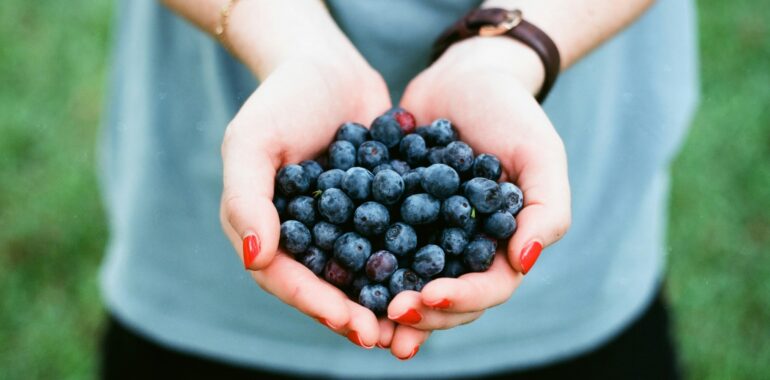
Blueberries are consistently linked to improved cognitive function and heart health. Their dark blue pigment is a powerhouse for brain-cell communication.
Personal Tip: I buy frozen wild blueberries. Science shows that “wild” varieties actually have a higher concentration of antioxidants than the massive ones you see in plastic clamshells. Plus, freezing them at peak ripeness locks in those nutrients, and they’re much cheaper.
2. Crucial Crucifers (Sulforaphane)
Broccoli, cauliflower, and Brussels sprouts contain a compound called Sulforaphane, which is one of the most potent natural triggers for our body’s internal detoxification enzymes.
Personal Tip: I “chop and wait.” Sulforaphane is created when two enzymes in the broccoli meet. If you chop your broccoli and let it sit for 40 minutes before cooking, the nutrient levels skyrocket. It’s a tiny timing tweak that makes your dinner ten times more “super.”
3. Chia Seeds (Omega-3 & Fiber)
Gram for gram, these tiny seeds offer more Omega-3 fatty acids than salmon. They are essential for lowering inflammation and keeping the gut microbiome healthy.
Personal Tip: I make a “Chia Jam” instead of buying store-bought jelly. I just mash some raspberries and stir in chia seeds. Within ten minutes, the fiber in the seeds creates a gel. It’s a way to get my “superfood” fix without the massive spike in refined sugar.
4. Fermented Foods (The Microbiome Boost)
Kimchi, sauerkraut, and kefir are “super” because they are alive. They provide the probiotics needed to maintain a diverse gut, which is where 70% of your immune system lives.
Personal Tip: I add a forkful of raw sauerkraut to the side of my eggs every morning. It’s not a meal on its own, but that small daily dose of live bacteria has done more for my energy and skin clarity than any expensive green juice ever did.
Deconstructing the “Health Halo” Effect
One of the biggest issues with the superfood label is the Health Halo. This is a psychological phenomenon where we perceive a food to be so healthy that we ignore its other attributes, like high sugar content or poor processing methods.
1. The Acai Bowl Trap
Acai is an incredible berry with high levels of antioxidants. However, when it’s blended with apple juice, topped with sugary granola, and drizzled with honey, the “super” qualities of the acai are overshadowed by a massive glucose spike.
Personal Tip: I check for “added sugars” even in things labeled as superfoods. I’ve switched to buying pure acai packets with zero additives and blending them with unsweetened almond milk and spinach. It’s about protecting the nutrient density rather than letting it be buried under sugar.
2. Powdered vs. Whole
There is a massive market for “Green Powders.” While these can be a convenient backup, the processing (dehydration and pulverization) often removes the fiber and can degrade heat-sensitive vitamins like Vitamin C.
Personal Tip: I treat powders as a “supplement,” not a replacement. A scoop of greens powder in water will never have the same biological impact as a large bowl of fresh arugula. I use powders when I’m traveling, but at home, I prioritize the crunch of real vegetables.
The Economics of “Super” Eating
We are often told that eating healthy is expensive, but that’s usually because the marketing pushes us toward the “exotic.” When we look at the data, some of the highest-ranking foods on the ANDI (Aggregate Nutrient Density Index) are some of the cheapest.
1. The Humble Legume
Lentils and beans are arguably the most underrated superfoods on the planet. They are packed with plant-based protein, folate, and a type of fiber called Resistant Starch, which feeds the beneficial bacteria in your lower gut.
Personal Tip: I’ve replaced half of my ground meat with cooked lentils in recipes like chili or bolognese. It cuts the cost of the meal in half while doubling the fiber content. It’s a budget-friendly way to eat “super” every single day.
2. Frozen is Your Friend
The term “fresh” is often misleading. Vegetables that sit in a truck for five days before hitting the grocery store shelf lose a significant portion of their vitamin content. Frozen vegetables are blanched and frozen within hours of being picked, locking in the nutrition.
Personal Tip: I keep a “superfood drawer” in my freezer. Spinach, broccoli, and mixed berries are always in there. It removes the stress of produce going bad in the fridge and ensures I always have a high-density option ready for a quick meal.
Diversity Over Hype
At the end of the day, the most “super” diet is a diverse one. The science shows that people who eat 30 different types of plants a week have significantly healthier gut biomes and lower inflammation than those who rely on a few “miracle” supplements. Don’t get distracted by the fancy packaging or the high price tags. Focus on the colors, the fiber, and the humble plants that have been nourishing humans for millennia. Your body doesn’t need a miracle; it just needs consistent, nutrient-dense fuel.
Final Tip: I’ve stopped worrying about “exotic” superfoods and started focusing on “local” ones. I’ve found that eating what’s in season in my own region often means the food is fresher and the nutrients haven’t degraded during a long shipping process. Local honey or seasonal greens are my real secret weapons!

I’m Brinley, and I believe in progress over perfection. My holistic journey started when I traded rigid fads for the 80/20 rule and nature-based remedies. I only share advice I’ve lived through—from botanical skincare that fixed my dry skin to easy kitchen hacks. I’m here to help you build a nourished life through small, intentional, and sustainable choices.