0

The Oxygen Starvation: What Low Iron Does to Your Body and How to Spot the Signs
We have all experienced those days when waking up feels like trying to lift a heavy weight. You drag yourself out of bed, pour a massive cup of

We have all experienced those days when waking up feels like trying to lift a heavy weight. You drag yourself out of bed, pour a massive cup of

Bloating has a way of showing up uninvited — a meal that seemed perfectly normal leaves you feeling like your waistband shrank two sizes by evening. It’s one

Self-care has a branding problem. Say the phrase out loud and most people picture candles, face masks, and a $40 bath bomb — a category of products sold

Stress is one of those words used so broadly — a stressful commute, a stressful relationship, a stressful deadline — that it’s easy to lose sight of what’s

The idea that a new habit takes exactly 21 days to form has circulated for decades, repeated so consistently that it’s rarely questioned. The actual research tells a

Procrastination gets framed as a character flaw more often than it gets treated as the specific, well-studied behavioral pattern that it actually is. The common assumption is that
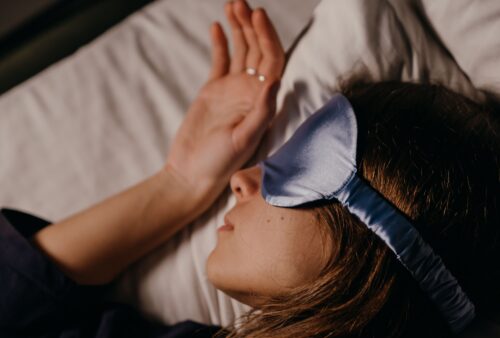
Of all the health habits people are willing to sacrifice when life gets busy, sleep is usually the first to go. It feels like the most flexible variable

Self-care has become one of those phrases that gets used so often it can start to feel like marketing rather than medicine — bubble baths, face masks, and
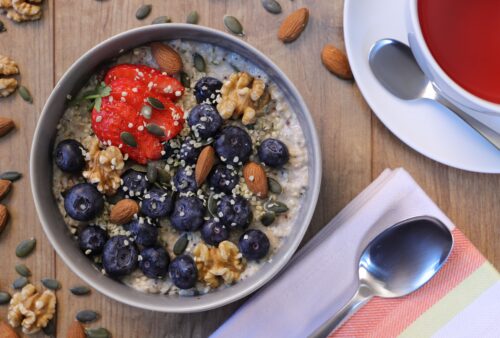
We have all experienced those days when our brain simply refuses to cooperate. You sit down at your desk with a fresh cup of coffee, determined to crush

We have all experienced the intense, almost magnetic pull of a sudden food craving. You are sitting at your desk on a quiet afternoon, completely focused on a