
The “Flow State” Hydration: Why Your Cells Need More Than Just Plain Water
For a long time, I viewed hydration as a simple volume game—a chore that involved chugging a massive bottle of room-temperature water twice a day just to hit a specific “gallon” goal. Previously, I assumed that as long as I was drinking enough fluid, my body was absorbing it. It was common to believe that the “clear pee” rule was the ultimate sign of health. Everything changed when I learned about “Cellular Osmosis” and mineral balance. I discovered that “chugging” plain, filtered water can actually flush essential electrolytes out of your system, leaving your cells thirsty even if your stomach is full. Hydration isn’t just about how much you drink; it’s about how much your body can actually use.
The goal of “Flow State” Hydration is to move away from “flooding” your system and toward a structured, mineral-rich approach that supports your cognitive focus and metabolic energy. I love the biological logic of this habit. It’s the realization that water needs “structure”—in the form of electrolytes and plant compounds—to cross the cell membrane efficiently. When you stop treating water like a chore and start treating it like a specialized delivery system, you’ll find that your energy levels stay stable, your skin looks more vibrant, and that mid-afternoon “brain fog” virtually disappears.
The Science of the “Sip”: Why Your Cells Are Thirsty
When you chug 32 ounces of plain water in five minutes, your kidneys go into overdrive to maintain blood pressure and mineral balance.
- The Flushing Effect: This rapid influx of fluid triggers a “diuretic” response, causing you to lose sodium, potassium, and magnesium. You aren’t hydrating your brain; you’re just creating a high-speed transit through your bladder.
- The Mineral Bridge: For water to enter your cells, it needs a “escort.” Small amounts of natural sugars, salts, and minerals create the osmotic pressure needed for the water to actually “stick” to your tissues.
Habit 1: Structured Hydration (The “Absorption” Hack)
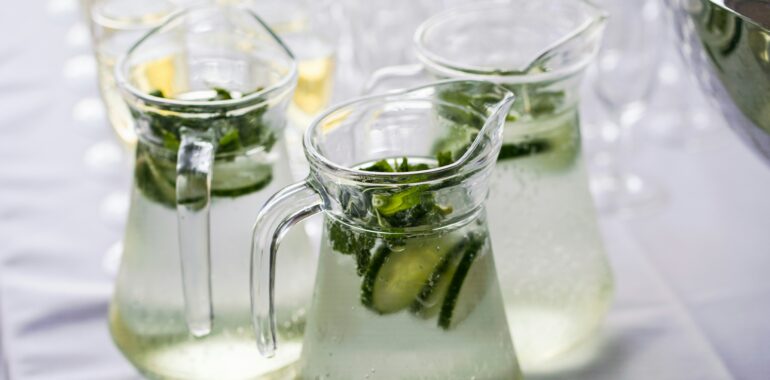
Adding lemon, cucumber, or mint isn’t just for aesthetics—it changes the molecular accessibility of the water.
The How-To: Add two slices of cucumber, a squeeze of fresh lemon, or a sprig of crushed mint to your water bottle. Let it sit for at least 10 minutes before drinking.
Why it Works:
- Cucumber: Contains “structured water” (gel water) and silica, which improve skin elasticity and help the body retain moisture.
- Lemon: Provides Vitamin C and potassium, acting as a natural electrolyte that signals the cells to open up.
- Mint: Contains menthol, which can help relax the digestive tract and reduce the “heaviness” often felt after drinking large amounts of water.
Personal Tip: I add a tiny pinch of Himalayan pink salt to my lemon water in the morning. You shouldn’t be able to taste the salt, but that microscopic hit of 84 trace minerals ensures that the water actually gets into my brain cells to wake me up, rather than just running right through me.
Habit 2: The “Glass Per Hour” (Steady-State Fluidity)
Sipping consistently throughout the day maintains your “Flow State” without triggering the mineral flush.
The How-To: Instead of having a “drinking session,” aim for 8–10 ounces of water every 60–90 minutes. Keep a small glass on your desk rather than a giant jug.
Why it Works:
- Kidney Efficiency: Your kidneys can only process about 800ml to 1000ml (roughly 30oz) of water per hour. By spreading your intake out, you allow your body to maintain a steady blood-oxygen level.
- Cognitive Stability: Even a 1% drop in hydration can lead to a 5% drop in cognitive function. Steady sipping prevents the “dehydration dips” that lead to afternoon fatigue.
Personal Tip: I use a smaller 12-ounce glass at my desk. The act of getting up to refill it every hour serves a dual purpose: it keeps me hydrated and forces me to take a 60-second “mobility break” to walk to the kitchen. It’s a win for my joints and my hydration!
Habit 3: Herbal Infusions (Supporting the Filters)
Swapping one cup of coffee for a functional herbal tea to support your primary filtration organs.
The How-To: Replace your second or third coffee of the day with a cup of Nettle or Dandelion Root tea. These are “non-caffeinated” ways to support your liver and kidneys.
Why it Works:
- Nettle Tea: A mineral powerhouse high in iron and calcium. It acts as a gentle blood purifier and can help reduce the seasonal allergy response.
- Dandelion Root: Specifically supports the liver’s detoxification pathways and helps the kidneys flush out excess uric acid without the “crash” of caffeine.
Personal Tip: If you miss the “bite” of coffee, try Dandelion Root tea. It has a dark, roasted flavor that mimics coffee remarkably well but is actually alkaline and soothing to the gut. It’s my secret weapon for staying focused during late-afternoon projects without ruining my sleep.
Hydration as High-Performance Fuel
“Flow State” hydration is the difference between a garden that is watered by a steady, gentle rain and one that is hit by a flash flood. One thrives, while the other just deals with runoff. By structuring your water with minerals, sipping consistently, and supporting your filters with herbal infusions, you are optimizing the very fluid that makes your biology possible. This week, try the “Glass Per Hour” rule. You’ll be amazed at how much more energy you have when you stop flooding your system and start fueling your cells.
Final Tip: Pay attention to the temperature! Ice-cold water can “shock” the digestive system and slow down the absorption of nutrients after a meal. Aim for room temperature or “sun-warmed” water for the most efficient cellular uptake.

I’m Brinley, and I believe in progress over perfection. My holistic journey started when I traded rigid fads for the 80/20 rule and nature-based remedies. I only share advice I’ve lived through—from botanical skincare that fixed my dry skin to easy kitchen hacks. I’m here to help you build a nourished life through small, intentional, and sustainable choices.