
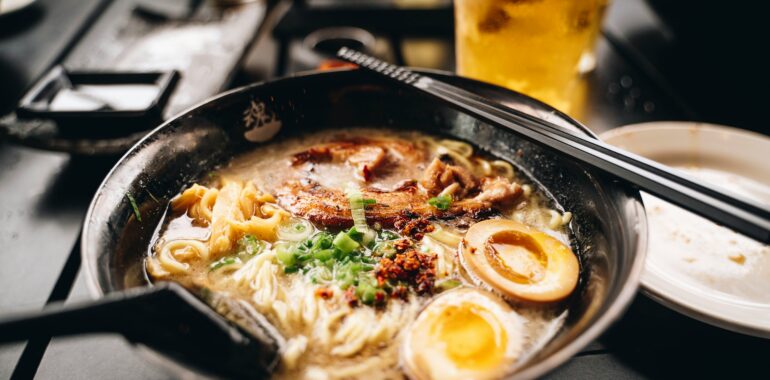
The “Better Than Ramen” Noodle Bar: 5 Low-Carb, High-Nutrient Bowls
For a long time, I viewed ramen as the ultimate “emergency meal”—a comforting but nutritionally empty bowl of refined flour and a sodium-packed seasoning packet that left me thirsty and bloated. Previously, I assumed that the only way to get that deep, savory umami flavor was through hours of boiling pork bones or using MSG-heavy concentrates. It was easy to believe that “low-carb noodles” were synonymous with “tasteless rubber.” Everything changed when I discovered the “Umami-Infusion” method. I discovered that you can build a restaurant-quality broth in fifteen minutes using targeted aromatics and that the new generation of nutrient-dense noodles—like shirataki, edamame, and kelp—can actually absorb flavor better than traditional wheat.
The goal of the “Better Than Ramen” Bar is to deconstruct the classic comfort bowl into a high-protein, mineral-rich powerhouse. I love the “customizable” nature of this setup. It’s the realization that ramen can be a vehicle for therapeutic ingredients like ginger, turmeric, and collagen. When you swap the “flash-fried” instant noodles for fiber-rich alternatives and build your own broth “tare” (seasoning base), you’re supporting your gut health and brain function while satisfying that salty craving.
The Anatomy of a High-Nutrient Bowl
A truly “Better” ramen is built on four pillars of nutrition:
- The “Tare” (Flavor Base): We use miso, tamari, or tahini to provide probiotics and essential minerals.
- The “Liquid Gold” (Broth): Utilizing bone broth or a mushroom-kombu dashi provides collagen for joint health and iodine for thyroid support.
- The “Noodle” Swap: Choosing noodles like edamame (high protein), shirataki (high fiber), or zoodles (high water content).
- The “Power” Toppings: High-protein eggs, fermented bamboo shoots, and cruciferous greens.
Recipe 1. The “Immunity” Miso-Ginger Ramen
The ultimate gut-health bowl. Miso is a probiotic powerhouse that thrives when paired with anti-inflammatory ginger.
- The Noodle: 1 serving Edamame Noodles (High protein).
- The Broth: 2 cups Chicken Bone Broth.
- The Tare: 1 Tbsp White Miso Paste, 1 tsp grated Ginger, 1 clove minced Garlic.
- The Toppings: A 6-minute soft-boiled egg, sliced scallions, and Nori sheets.
Instructions:
- Whisk: In your serving bowl, whisk the miso, ginger, and garlic with a splash of warm water until smooth.
- Boil: Bring the bone broth to a light simmer and cook the edamame noodles for 4 minutes.
- Combine: Pour the hot broth and noodles into the bowl with the miso mixture.
Personal Tip: Never boil the miso! Adding it at the end preserves the live enzymes that help your digestion. I also like to “massage” my Nori sheets over the stove flame for 3 seconds to make them extra crispy before tucking them into the side of the bowl.
Recipe 2. The “Thai-Spiced” Coconut Curry Ramen
A rich, MCT-packed bowl that supports brain health and provides long-lasting satiety.
- The Noodle: 1 bag Shirataki (Konjac) Noodles.
- The Broth: 1 cup Vegetable Broth + 1/2 cup Full-Fat Coconut Milk.
- The Tare: 1 Tbsp Red Curry Paste + 1 tsp Fish Sauce (or Tamari).
- The Toppings: Seared Tofu cubes, squeeze of Lime, and fresh Cilantro.
Instructions:
- Prep: Rinse shirataki noodles and dry-fry them in a pan for 3 minutes until they “squeak.”
- Simmer: Whisk the curry paste into the broth and coconut milk; simmer for 5 minutes.
- Assemble: Add the noodles to the broth and top with the tofu and lime.
Personal Tip: Shirataki noodles have a “rubbery” reputation, but the “Dry Fry” step is a total game changer. It forces the water out of the noodle so it can actually absorb the creamy coconut curry instead of just sitting in it. If they still feel too chewy, try cutting them with kitchen shears to make them easier to eat!
Recipe 3. The “Umami Bomb” Mushroom & Kelp Ramen
An iodine-rich, vegan-friendly bowl that supports thyroid function and metabolic health.
- The Noodle: 1 bag Kelp Noodles.
- The Broth: 2 cups Mushroom Broth (or Dashi).
- The Tare: 1 Tbsp Coconut Aminos + 1 tsp Toasted Sesame Oil.
- The Toppings: Sautéed Shiitake mushrooms, Bok Choy, and Pickled Ginger.
Instructions:
- Soften: Soak kelp noodles in warm water with a squeeze of lemon for 10 minutes to soften the texture.
- Infuse: Heat the mushroom broth with the coconut aminos.
- Combine: Place noodles in a bowl, pour over the hot broth, and layer with mushrooms and ginger.
Personal Tip: Kelp noodles can be crunchy and “crunchy” isn’t usually what we want in ramen. My secret hack? Soak them in a mixture of lemon juice and a pinch of baking soda for 5 minutes. It causes a chemical reaction that makes them go from “stiff plastic” to “tender glass noodles” instantly.
Recipe 4. The “Collagen-Boost” Garlic Shoyu Ramen
A joint-supporting bowl that focuses on high-quality animal proteins and amino acids.
- The Noodle: Zucchini Noodles (Zoodles).
- The Broth: 2 cups Beef Bone Broth.
- The Tare: 2 Tbsp Tamari (GF Soy Sauce) + 1 tsp Garlic Oil.
- The Toppings: Sliced Roast Chicken or Beef, Bean Sprouts, and a sheet of toasted Nori.
Instructions:
- Simmer: Heat the bone broth with the tamari and garlic oil until fragrant.
- Flash-Cook: Drop the zoodles into the hot broth for only 30 seconds.
- Assemble: Pour into a bowl and top with the protein and sprouts.
Personal Tip: Zoodles release a ton of water. To prevent a “watery” soup, I salt my zucchini ribbons for 10 minutes beforehand, then pat them dry with a paper towel. This keeps the broth rich and concentrated rather than diluted.
Recipe 5. The “Metabolic Kick” Spicy Sesame Ramen
A capsaicin-loaded bowl designed to boost thermogenesis and wake up your taste buds.
- The Noodle: 1 serving Black Bean Noodles.
- The Broth: 2 cups Chicken or Veggie Broth.
- The Tare: 1 Tbsp Tahini + 1 tsp Chili Oil (Szechuan style) + 1 Tbsp Rice Vinegar.
- The Toppings: Ground Turkey (browned), steamed Spinach, and Radish slices.
Instructions:
- Creamy Base: Whisk tahini, chili oil, and vinegar in the serving bowl.
- Boil: Cook the black bean noodles in the broth for 5 minutes.
- Combine: Pour the broth and noodles into the tahini base and stir until it becomes a creamy, spicy sauce.
Personal Tip: If your tahini is too thick, add a tablespoon of the boiling broth to the serving bowl first to “temper” it before pouring the rest in. This ensures your sauce is velvety and smooth rather than clumpy. I also love using extra-radish for a cold, peppery crunch against the heat!
Comfort Without the Crash
The “Better Than Ramen” bar proves that you don’t have to choose between convenience and health. By choosing noodles that support your goals and building a broth that heals, you can enjoy a deeply satisfying, salty bowl of noodles every single night.
Final Tip: Keep a “Ramen Kit” in your freezer: frozen ginger knobs and pre-sliced green onions. When you have the building blocks ready, you can have a gourmet, high-protein dinner faster than you can wait for a delivery driver!

I’m Brinley, and I believe in progress over perfection. My holistic journey started when I traded rigid fads for the 80/20 rule and nature-based remedies. I only share advice I’ve lived through—from botanical skincare that fixed my dry skin to easy kitchen hacks. I’m here to help you build a nourished life through small, intentional, and sustainable choices.