
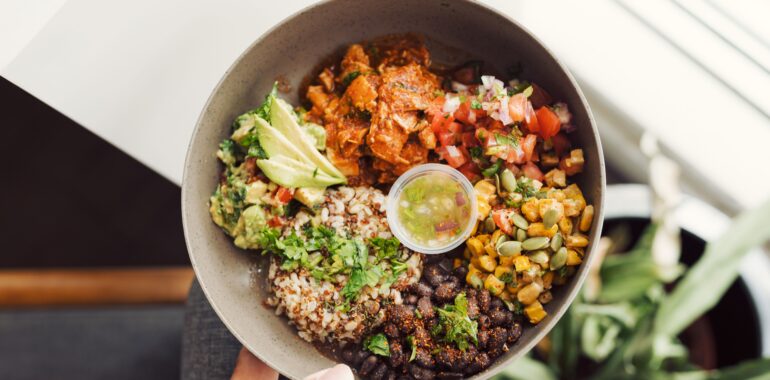
Beyond the Leaf: The Ultimate Guide to Vibrant, Lettuce-Free Salads
When most people hear the word “salad,” their minds instantly conjure up a familiar image: a bowl packed with a base of chopped romaine, iceberg, or spring mix greens, lightly tossed with a few toppings and a heavy pour of dressing. It is the standard side-dish format we have all grown up with.
But let’s be entirely honest: leafy green salads have a major structural flaw. The moment you dress a bowl of tender lettuce leaves, a ticking chemical clock begins. Within twenty minutes, the salt and acid in the dressing draw out the vegetable’s cellular moisture, leaving you with a sad, soggy, and unappealing mess. This makes traditional salads a nightmare for meal prep, backyard barbecues, or summer picnics where food has to sit out on a buffet table.
It is time to liberate your kitchen from the tyranny of lettuce.
By stepping away from leafy greens and anchoring your bowls with sturdy grains, hearty legumes, complex pastas, and crisp, sun-ripened seasonal vegetables, you unlock a completely new world of culinary architecture. Lettuce-free salads are bold, textured, and packed with a satisfying chew. Best of all, they are incredibly durable; they actually taste better after marinating in the refrigerator for twenty-four hours.
Whether you are looking for a high-protein grain base or a crisp, sweet summer side dish, here is your ultimate guide to the best healthy salad recipes without a single leaf of lettuce in sight.
The Lettuce-Free Formula: Creating Balance and Texture
To build a legendary lettuce-free salad, you must move past the idea of simple toppings and focus on a specific, three-part culinary architecture:
1. The Architectural Anchor
Instead of delicate greens, select a base that handles moisture beautifully and offers a satisfying bite. This can be an ancient grain (like quinoa, farro, or barley), a short-cut pasta (like orzo or ditalini), a sturdy legume (such as chickpeas or black beans), or a dense, crunchy vegetable matrix (like sweet corn, shaved brussels sprouts, or diced cucumbers).
2. The Color and Crunch Additions
Once your anchor is established, fold in contrasting colors and textures. Think of crisp bell peppers, juicy cherry tomatoes, creamy avocado, sharp red onions, or toasted nuts and seeds. These additions create sensory variety, ensuring every single forkful delivers a different combination of textures.
3. The Emulsified Dressing Acid
Because grain and pasta bases are naturally absorbent, they require a bright, robust dressing to cut through the starch. Ditch the heavy, cream-based commercial dressings and opt for a clean, vibrant vinaigrette made from high-quality extra virgin olive oil, fresh citrus juices, raw garlic, and dried herbs.
Three Holy-Grail Lettuce-Free Salad Recipes
1. The Mediterranean Sun-Dried Tomato & Orzo Salad
Orzo is a brilliant, rice-shaped short pasta that serves as the perfect vehicle for classic Italian and Greek flavor profiles. This salad acts like a slow-release flavor capsule—as it sits in your refrigerator, the tender orzo absorbs the herbal notes of the dressing without losing its al dente bite.
Macronutrient Profile per Serving (Makes 4):
- Protein: 14g
- Dietary Fiber: 5g
- Estimated Calories: 340
Ingredients:
- 1.5 cups dry whole-grain orzo pasta
- 1 cup English cucumber, diced small
- 1 cup cherry tomatoes, quartered
- 1/2 cup sun-dried tomatoes (packed in olive oil), drained and chopped
- 1/2 cup Kalamata olives, pitted and sliced
- 1/2 cup authentic sheep’s milk feta cheese, crumbled
- 1/4 cup red onion, finely minced
- For the Lemon-Herb Emulsion:
- 3 tbsp extra virgin olive oil
- Juice and zest of 1 fresh lemon
- 1 clove garlic, finely grated
- 1 tsp dried oregano
- Salt and freshly cracked black pepper to taste
Instructions:
- Cook the Pasta: Bring a large pot of salted water to a rolling boil. Add the orzo and cook according to the package instructions until it is strictly al dente (usually 8 to 9 minutes). Drain the pasta and rinse it immediately under cold running water to stop the cooking process and wash away excess surface starch. Drain thoroughly.
- Assemble the Matrix: In a wide mixing bowl, combine the cooled orzo, diced cucumber, quartered cherry tomatoes, chopped sun-dried tomatoes, sliced Kalamata olives, crumbled feta cheese, and minced red onion.
- Whisk the Acid: In a small glass jar, vigorously whisk together the extra virgin olive oil, fresh lemon juice, lemon zest, grated garlic, dried oregano, salt, and pepper until completely emulsified.
- Toss and Bloom: Pour the dressing directly over the orzo mixture, tossing gently with a silicone spatula until every grain of pasta is coated. Cover and refrigerate for at least 30 minutes before serving to allow the garlic and citrus notes to bloom.
2. The Harvest Quinoa, Black Bean, and Mango Bowl
Quinoa is a nutritional marvel—it is one of the few plant foods that functions as a complete protein, meaning it contains all nine essential amino acids. Pairing it with black beans and fresh mango creates a vibrant, sweet-and-savory balance that provides sustained energy.
Macronutrient Profile per Serving (Makes 4):
- Protein: 12g
- Dietary Fiber: 9g
- Estimated Calories: 290
Ingredients:
- 1 cup dry quinoa, thoroughly rinsed
- 2 cups low-sodium vegetable broth (used to cook the quinoa for maximum depth)
- 1 can (15 oz) organic black beans, rinsed and thoroughly drained
- 1 large ripe mango, peeled and cubed small
- 1 red bell pepper, finely diced
- 1/4 cup fresh cilantro, finely chopped
- For the Zesty Lime-Cumin Glaze:
- 2 tbsp avocado oil
- Juice of 2 fresh, juicy limes
- 1/2 tsp ground cumin
- 1/4 tsp chili powder
- A pinch of sea salt
Instructions:
- Simmer the Grain: In a medium saucepan, combine your rinsed quinoa and vegetable broth. Bring to a boil, then immediately turn the heat down to low, cover with a tight-fitting lid, and let it simmer for 15 minutes. Remove from the heat and let it sit, covered, for an additional 5 minutes before fluffing it completely with a fork. Let it cool to room temperature.
- Combine the Layers: In a large serving bowl, layer the cooled quinoa, drained black beans, cubed mango, diced red bell pepper, and fresh cilantro.
- Whisk and Dress: Whisk the avocado oil, fresh lime juice, cumin, chili powder, and sea salt together in a small cup. Drizzle the dressing evenly over the salad, tossing thoroughly to integrate the colors. This salad is a phenomenal lunch option for busy workdays because it packs beautifully into meal-prep containers without losing structural integrity.
3. The Charred Summer Corn, Zucchini, and Basil Crunch
This raw and charred vegetable combination celebrates the absolute peak of the summer harvest. It strips away heavy carbs entirely, focusing instead on the explosive sweetness of fresh sweet corn and the crisp crunch of raw summer squash.
Macronutrient Profile per Serving (Makes 4):
- Protein: 4g
- Dietary Fiber: 4g
- Estimated Calories: 180
Ingredients:
- 4 ears of fresh sweet corn, husked (or 2.5 cups of frozen fire-roasted corn)
- 2 small zucchini, sliced into thin quarter-moons
- 1 cup orange bell pepper, diced
- 1/3 cup red onion, finely minced
- 1/2 cup fresh basil leaves, torn into thin ribbons
- For the White Balsamic Vinaigrette:
- 2 tbsp extra virgin olive oil
- 1.5 tbsp white balsamic vinegar (or white wine vinegar)
- Salt and black pepper to taste
Instructions:
- Char the Corn: If using fresh ears of corn, place them directly onto a hot outdoor grill grate or over an open gas stovetop flame for 6 to 8 minutes, turning frequently, until the kernels display beautiful, smoky char marks. Allow them to cool slightly, then stand the ears upright in a wide bowl and carefully slice the kernels off the cob using a sharp knife.
- The Crisp Assembly: In your serving bowl, combine the charred corn kernels, thin raw zucchini quarter-moons, diced orange bell pepper, and minced red onion.
- Finish: Whisk your olive oil, white balsamic vinegar, salt, and pepper together. Pour over the vegetable matrix, tossing aggressively. Just before placing the bowl onto your dinner table, scatter the fresh torn basil ribbons across the top to preserve their bright green color and aromatic essential oils.
Reclaiming Your Salad Bowl
Eating a health-conscious, nutrient-dense diet should never feel boring, and it certainly shouldn’t involve choking down soggy, limp green leaves out of a sense of obligation. By stepping into the world of lettuce-free salads, you take absolute control over your kitchen textures. You create durable, vibrant, and satisfying meals that survive the refrigerator, travel beautifully to social gatherings, and prove once and for all that the healthiest bowls on the planet are the ones that leave the lettuce behind.

I’m Brinley, and I believe in progress over perfection. My holistic journey started when I traded rigid fads for the 80/20 rule and nature-based remedies. I only share advice I’ve lived through—from botanical skincare that fixed my dry skin to easy kitchen hacks. I’m here to help you build a nourished life through small, intentional, and sustainable choices.