
Eczema Relief: Finding Calm Through Careful Skin Support
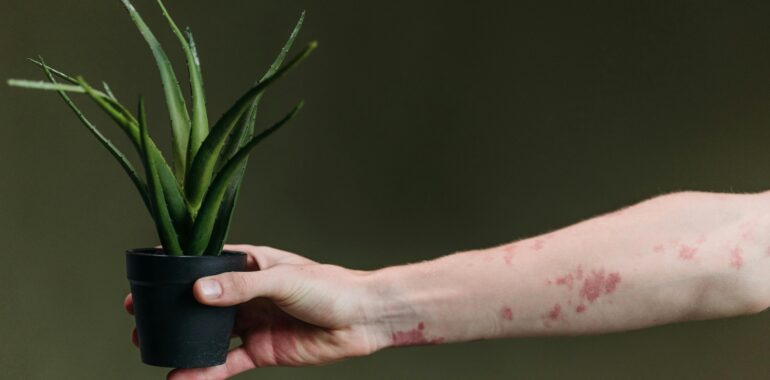
I have struggled with eczema my entire life. I can vividly remember being a little kid, tearing at my skin until it bled, feeling a deep, burning itch that no amount of hydrocortisone cream seemed to touch. I spent years feeling embarrassed by the red, scaly patches on my inner elbows and behind my knees, convinced that my skin was fundamentally “broken.” It wasn’t until I started viewing my eczema as a conversation with my body—a signal about my internal and external environment—that I began to find genuine relief. I discovered that managing this chronic condition isn’t about finding one “miracle cure”; it’s about a holistic approach, supported by a few truly effective, gentle products.
The journey to calm, comfortable skin is a constant process of trial and error. I love sharing what I’ve learned because I know the sheer frustration of slathering on cream after cream with no lasting effect. For me, it’s been about creating a consistent routine that minimizes triggers and maximizes barrier support. When you stop fighting the flare-ups and start nurturing your skin with intention, you can finally reclaim a sense of peace.
This guide shares the wisdom of my lifelong experience with eczema. We’ll look at the “Barrier-First” approach and the specific products that have become my non-negotiable allies in managing this persistent condition.
The Golden Rule: Temperature and Technique
Before we even talk about specific creams, we have to talk about how you wash. I learned the hard way that even the most expensive moisturizer can’t fix the damage done by a scalding hot shower.
1. Lukewarm Water is Your Best Friend
I know how tempting it is to turn the heat up—sometimes that “hot-itch” feels like it’s providing relief—but hot water actually strips the natural fats and oils from your skin, leaving the barrier wide open to irritation.
Personal Tip: I keep the water “tepid” or lukewarm at most. It was a hard habit to break, but once I saw how much less “tight” my skin felt afterward, I never went back. If your skin is red after a shower, the water was too hot.
2. The “Moisturizing Hand Wash” Routine
For those of us with hand eczema, every trip to the sink is a potential trigger. Most commercial hand soaps are essentially detergents that destroy your skin’s defenses.
Personal Tip: I’ve replaced every soap in my house with a dedicated moisturizing hand wash. I look for formulas that feel like a lotion rather than a gel. I always, without exception, apply moisturizer immediately after washing my hands. I keep a travel-size tube in my pocket or purse because letting your hands “air dry” is the fastest way to trigger a crack in the skin.
My Holy Grail Eczema Products (and why they work):
These are the products I’ve come back to again and again over decades. They are gentle, effective, and free from common irritants.
1. Daily Moisturizer: Vanicream Moisturizing Cream
- Why it works: Vanicream is consistently recommended by dermatologists because it is free of dyes, fragrance, parabens, and lanolin. It’s a thick, occlusive cream that forms a protective barrier to prevent moisture loss.
- My experience: This is my everyday workhorse. I buy it in the giant pump tub because I go through so much of it. It’s saved my skin from countless dry, flaky patches, especially in winter.
2. Cleanser: La Roche-Posay Lipikar Wash AP+
- Why it works: This wash is sulfate-free and specifically designed for eczema-prone skin. It contains niacinamide and shea butter, which help rebuild the skin barrier while you cleanse.
- My experience: This doesn’t just “not irritate” my skin—it actually feels soothing. It cleanses without leaving that “squeaky clean,” stripped feeling I dread.
3. Targeted Treatment (Flare-Ups): CeraVe Healing Ointment
- Why it works: It’s petroleum-based but packed with ceramides and hyaluronic acid. It creates a strong protective seal over irritated skin to let it heal underneath.
- My experience: When I have an active, angry flare-up, I slather a thick layer of this on overnight. By morning, the redness is usually significantly reduced.
4. Facial Oil (Extra Moisture): The Ordinary 100% Organic Cold-Pressed Rose Hip Seed Oil
- Why it works: Rosehip oil is rich in essential fatty acids (linoleic and linolenic acids), which are crucial for skin barrier function. It’s also known for its regenerative properties.
- My experience: I use this on my face daily, even when my eczema isn’t flaring. It gives my skin a healthy glow without feeling greasy, and I’ve noticed it helps with the overall resilience of my facial skin. It’s lightweight enough not to clog pores but powerful enough to offer deep hydration.
5. Laundry Detergent: All Free Clear Pure
- Why it works: Many people overlook the role of laundry detergent in eczema management. Fragrances, dyes, and harsh chemicals in detergents can leave irritating residues on clothes that constantly rub against your skin. This detergent is hypoallergenic and free of irritants.
- My experience: Switching to this made a huge difference, especially with eczema on my torso. It’s something you don’t realize is a trigger until you remove it. My clothes feel truly clean without any chemical scent or residue.
Beyond Products: Lifestyle Habits That Help
Products are only part of the puzzle. Here are some of the lifestyle changes that have dramatically improved my eczema:
- Stress Management: This is a huge one for me. Stress almost always triggers a flare. I prioritize meditation, gentle exercise, and ensuring I get enough sleep.
- Diet Awareness: While I don’t follow a strict elimination diet anymore, I’m aware that certain foods (for me, sometimes dairy or high-sugar items) can occasionally make my skin feel more inflamed. It’s about listening to my body, not rigid rules.
- Humidifier: In dry climates or during winter, a humidifier in my bedroom makes a noticeable difference in preventing my skin from drying out overnight.
- Loose, Natural Fabrics: I live in cotton and linen. Wool and synthetic fabrics are a guaranteed recipe for itchiness.
Living with Eczema, Thriving Anyway
Living with eczema is a journey, not a destination. There will be good days and bad days, but with a consistent routine and the right products, the good days far outnumber the bad. My skin still tells its story, but now it’s a story of resilience and careful nurturing, not constant suffering. If you’re struggling, remember you’re not alone. Find what works for your unique skin, be patient, and trust the process. You deserve to feel comfortable and confident in your own skin.
Final Tip: Keep a “Skin Journal.” When you try a new product or notice a flare, write it down—what you ate, what the weather was like, what stresses you were under. Over time, you’ll start to see patterns and identify your specific triggers and effective remedies more clearly!

I’m Brinley, and I believe in progress over perfection. My holistic journey started when I traded rigid fads for the 80/20 rule and nature-based remedies. I only share advice I’ve lived through—from botanical skincare that fixed my dry skin to easy kitchen hacks. I’m here to help you build a nourished life through small, intentional, and sustainable choices.