0

Smoothing the Surface: My Personal Roadmap to Banishing Strawberry Skin
There is a specific kind of frustration that comes with looking down at your legs and seeing a constellation of tiny, dark spots staring back at you, especially

There is a specific kind of frustration that comes with looking down at your legs and seeing a constellation of tiny, dark spots staring back at you, especially

A skincare routine can include every evidence-backed ingredient on the market and still underperform if it’s applied in the wrong order. Skincare layering order isn’t a minor detail
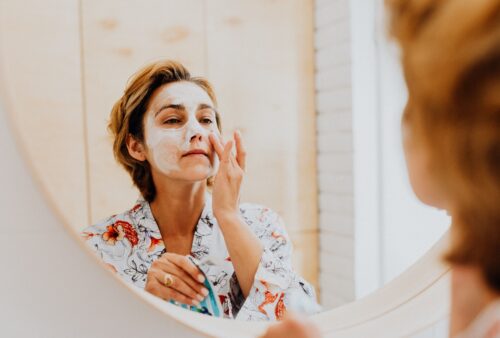
Somewhere around 30, a lot of people notice their skin starting to behave differently — a product that used to work perfectly well suddenly feels drying, or a
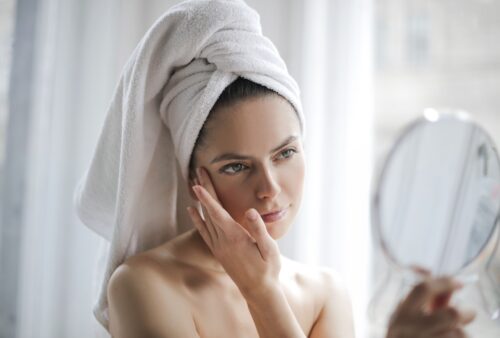
Sensitive skin requires a fundamentally different approach than skin that tolerates a wide range of products and actives without issue. What works well for one skin type can
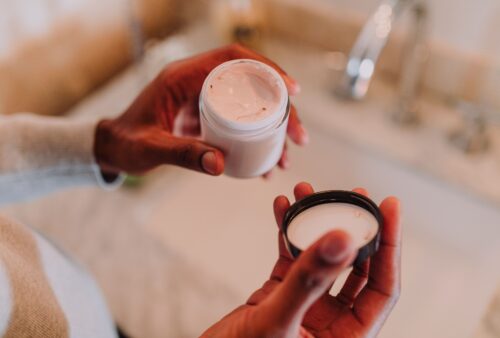
Layering multiple active ingredients has become increasingly common as skincare routines get more sophisticated, but not every combination plays well together. Some ingredient pairings cancel each other out,

Skincare advice spreads fast, especially on social media, but speed doesn’t equal accuracy. Plenty of widely repeated skincare “rules” range from outdated to flatly incorrect, and following them

One of the most common skincare mistakes has nothing to do with which products you’re using — it’s the order you’re applying them in. Layering products incorrectly can

Somewhere in your 30s, skin starts sending different signals than it did in your 20s. Maybe it’s a little more dryness than usual, the first fine lines around

We have all been there. You fall down a late-night social media rabbit hole, scrolling past video after video of people with completely flawless, poreless, translucent skin. It

When we think about skincare, our minds almost automatically focus on the face. We meticulously curate multi-step evening routines, invest in targeted serums for our under-eyes, and wouldn’t