
Healthy Deficit, Happy Body: Your No-Hunger Guide
When I first heard the phrase “calorie deficit,” I’ll admit, I was skeptical. It seemed like just another buzzword that meant eating less and feeling hungry all the time. But over the years, I’ve learned that there’s so much more to it than rigid restriction or feeling deprived. At its heart, a calorie deficit is simply eating a bit less than your body uses—enough to lose weight gently, without turning your life upside down.
I know from experience how discouraging restrictive fad diets can be; they often leave you fixated on food, frustrated by hunger, and caught in a tiring cycle of losing and regaining weight. That’s why I truly believe that healthy weight loss isn’t just about dropping numbers on the scale, but also about creating balance and supporting your well-being in the long run.
What’s really encouraging is that creating a calorie deficit for weight loss doesn’t have to feel miserable. When I started focusing on nourishing my body rather than restricting it, I discovered it was possible to reach my goals and still enjoy my food. For me, it’s not about eating less just for the sake of it—it’s about making smarter choices that leave me feeling good, both physically and mentally.
If you’re like me and want to lose weight without the misery of feeling deprived, you’re in the right place. In this guide, I’ll walk you through practical, down-to-earth strategies I’ve used to stay on track with my goals—and actually enjoy the journey. We’ll explore how to fill your plate with nourishing foods, find portions that feel just right, eat mindfully, and add movement to your days in ways that genuinely lift your spirits.
Understanding a Sustainable Calorie Deficit
Before I dive into the “how,” I want to share what a healthy calorie deficit really means—at least in my experience. The truth is, slow and steady wins the race when it comes to lasting progress. When I tried to cut my calories too quickly, I found myself tired, frustrated, and even losing muscle. It just wasn’t worth it.
A gentle approach is not only kinder to your body but also helps you hang onto your hard-earned progress for the long haul.
When I first started looking into calorie deficits, I found that aiming for a safe and sustainable deficit—about 300 to 500 calories per day—felt manageable. Instead of diving into drastic cuts, I learned that making gentle changes works better for my body and my mindset. This small shift is usually enough to support steady, healthy weight loss, and you never have to feel like you’re starving yourself. What really made a difference for me was focusing on mindful, smart habits rather than going for extreme measures.
1. Focus on Nutrient-Dense Foods
The single most effective strategy I’ve found for feeling full on fewer calories is prioritizing nutrient-dense foods. These are the foods that have given me the energy and nourishment I need, packing in vitamins, minerals, fiber, and protein without loading up on excess calories. They leave me satisfied, not deprived.
Fill Your Plate with Plants
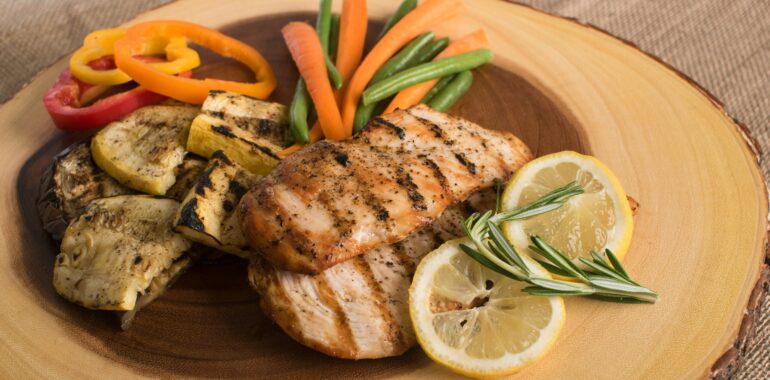
I’ve found that fruits and vegetables are my secret weapon when it comes to feeling full and satisfied without overdoing the calories. Their high water and fiber content means my meals feel generous and colorful.
Personal Tip: Aim to make half of your plate non-starchy vegetables at lunch and dinner. Think leafy greens, broccoli, bell peppers, cauliflower, and zucchini.
Prioritize Lean Protein
For me, protein has always been the most filling part of my meals. When you make sure to include a source of lean protein at every meal, it keeps your hunger in check and helps you hold onto muscle as you lose weight.
Choose Whole Grains
I like to swap out refined grains like white bread and white pasta for heartier whole-grain options. I’ve found that the extra fiber keeps you full longer and makes meals more satisfying overall.
Personal Tip: When you’re craving pasta, reach for whole-wheat or chickpea pasta instead. It’s a small change, but you won’t miss the regular stuff—especially with all the flavor from fresh sauces and veggies!
2. Practice Smart Portion Control
I’ve learned that you don’t have to give up your favorite foods to lose weight. For me, the game-changer was paying attention to how much I was eating. Just trimming your portions—without banning the foods you love—made a noticeable difference in your progress.
Use Visual Cues
I don’t walk around with measuring cups in my pocket, and I’m guessing you don’t either. Over time, I’ve found that using your hand as a simple guide for portion sizes is both practical and empowering:
- Palm: A serving of protein (e.g., chicken, fish).
- Fist: A serving of vegetables or whole grains.
- Cupped Hand: A serving of fruit or starchy carbs.
- Thumb: A serving of fats (e.g., oil, butter, nut butter).
Simple Swaps for Portion Control
Over the years, I’ve found that little changes can have a big impact when it comes to portions. Here are some tweaks I personally use that help you feel satisfied without going overboard:
- Use smaller plates and bowls: This simple swap tricks your mind—your meals look more generous, and you naturally eat a bit less.
- Serve food in the kitchen: Plate your meals before you sit down, rather than bringing serving dishes to the table. This way, you’re less likely to go back for unnecessary seconds.
- Don’t eat from the bag or box: Pour a portion into a small bowl instead—out of sight, out of mind!
Personal Tip: When cooking at home, use a measuring spoon for oils and butter. These calorie-dense ingredients are easy to accidentally overpour, and this habit is the simplest way to keep portions in check without sacrificing flavor.
3. Embrace Mindful Eating
When I first started exploring mindful eating, I realized it was less about strict rules and more about tuning in to my own needs. For me, mindful eating means paying attention to each bite, really noticing how my body feels as I eat. This simple shift has made a big difference in keeping overeating at bay and letting you actually enjoy your meals.
Slow Down and Savor
I’ve learned that it takes about 20 minutes for my brain to recognize when my stomach is actually full. By slowing down at meals, you give your body the chance to catch up and let you know when you feel satisfied.
Personal Tip: Put your fork down between bites. Take a sip of water. Try to chew each bite thoroughly and focus on the flavors and textures of your food.
Eliminate Distractions
I’ve noticed that when I eat while watching TV, scrolling through my phone, or working on my computer, I hardly pay attention to what—or how much—I’m actually eating. Commit to eating at the kitchen table and leave the devices in another room.
Personal Tip: Set a 15-minute timer for your meal. Pacing yourself ensures you are present, mindful, and give your stomach time to register fullness before the timer goes off.
4. Don’t Drink Your Calories
I used to drink way more sugary drinks than I realized—sodas, sweetened teas, those fun coffee-shop lattes. Cutting back on these was one of the easiest and most impactful changes I made to create a calorie deficit.
Personal Tip: Prioritize water as your primary beverage. If you want flavor, try infusing your water with lemon, mint, or berries. Unsweetened herbal tea and black coffee are also great low-calorie options.
5. Incorporate Enjoyable Movement
When it comes to creating a calorie deficit, I’ve found that what I do outside the kitchen is just as important as what I eat. Moving your body helps boost the “calories out” part of the equation, keeps your metabolism humming, and does wonders for your mood and energy.
Move Beyond the Gym
I remind myself that exercise doesn’t have to mean hours on a treadmill. For me, movement looks like:
- A brisk walk during your lunch break.
- Dancing in your living room.
- Playing a sport you love.
- Taking a weekend hike.
In my experience, the more you enjoy an activity, the more likely you are to keep coming back to it.
6. Make Room for Treats
If there’s one thing I’ve learned on my own journey, it’s that enjoying your favorite foods is essential for long-term success. I’ve realized that it’s not about being perfect; it’s about finding a sense of balance that lets you savor those little indulgences without throwing in the towel.
Personal Tip: The 80/20 Rule—Focus on eating nutrient-dense foods 80% of the time, and allow yourself the flexibility to enjoy your favorite treats the other 20% of the time. Planning for an occasional indulgence removes the guilt.
Your Path to Sustainable Weight Loss
For me, creating a calorie deficit for weight loss has truly been a journey—not a race. I find that when I focus on adding more nourishing foods to my plate, practicing mindful eating, paying attention to portions, and choosing movement that brings me joy, I can reach my goals without feeling deprived or restricted. This balanced approach has helped me not just lose weight, but also build healthy habits that will support me for years to come.
Final Tip: On tough days, jot down a few words about what’s working and how you feel. This gentle check-in helps you stay mindful, celebrate your small wins, and remember that every step forward—no matter how small—matters on this path to a healthier you.

I’m Brinley, and I believe in progress over perfection. My holistic journey started when I traded rigid fads for the 80/20 rule and nature-based remedies. I only share advice I’ve lived through—from botanical skincare that fixed my dry skin to easy kitchen hacks. I’m here to help you build a nourished life through small, intentional, and sustainable choices.