
Healthy Freezer Meals That Save Future You a Terrible Night
Every busy person eventually hits the same wall: a night where cooking feels impossible, and the fallback is either takeout or something processed and unsatisfying pulled from the back of the freezer. The fix isn’t willpower — it’s having genuinely good, healthy meals already made and waiting, so “too tired to cook” doesn’t automatically mean “no good options.” A well-stocked healthy freezer isn’t about eating frozen dinners; it’s about batch cooking real meals in advance and freezing them properly so they taste just as good reheated as they did fresh.
Below are five freezer-friendly meals worth batch cooking, along with the techniques that make the difference between a freezer meal that tastes reheated versus one that tastes freshly made.
Why Freezing Well Matters More Than the Recipe Itself
Almost any well-cooked meal can freeze reasonably well, but a few specific factors determine whether it comes out tasting fresh or watery and diminished: how quickly it’s cooled before freezing, how it’s packaged, and whether certain ingredients (like dairy-based sauces or delicate vegetables) are added before or after the freezing process. Getting these details right matters more than the specific recipe, since even a great dish can turn disappointing if frozen or reheated incorrectly.
1. Turkey and Vegetable Chili
Chili is one of the most forgiving dishes for freezing, since its flavor often improves after a day or two, let alone a stint in the freezer.
Ingredients (makes about 8 servings):
- 2 lbs ground turkey
- 2 cans black beans, drained and rinsed
- 2 cans diced tomatoes
- 1 large onion, diced
- 2 bell peppers, diced
- 2 tablespoons chili powder
- 1 tablespoon cumin
- Salt and pepper to taste
Instructions: Brown the turkey with the onion and peppers, then add the beans, tomatoes, and spices, simmering for 25–30 minutes. Let cool completely before dividing into freezer-safe containers or bags. Chili keeps well in the freezer for up to three months and reheats easily on the stovetop or in the microwave.
2. Chicken and Vegetable Soup
A classic freezer staple that holds up particularly well, provided a few specific vegetables are added fresh rather than frozen alongside the base.
Ingredients (makes about 8 servings):
- 3 chicken breasts, cooked and shredded
- 3 carrots, diced
- 3 celery stalks, diced
- 1 onion, diced
- 8 cups chicken broth
- 1 teaspoon thyme
- Salt and pepper to taste
Instructions: Sauté the onion, carrots, and celery, then add the broth, shredded chicken, and thyme, simmering for 15 minutes. Cool completely, then freeze in portioned containers. Note that delicate additions like fresh greens or pasta are best added fresh after reheating, rather than frozen with the base, since they tend to turn mushy or overly soft after freezing and thawing.
3. Turkey Meatballs in Marinara
Cooked, sauced meatballs freeze exceptionally well and reheat easily, making this a reliable go-to for a fast, satisfying dinner.
Ingredients (makes about 24 meatballs):
- 2 lbs ground turkey
- 1/2 cup breadcrumbs
- 2 eggs
- 1/4 cup grated parmesan
- 2 cloves garlic, minced
- 1 jar marinara sauce
- Salt and pepper to taste
Instructions: Combine the turkey, breadcrumbs, eggs, parmesan, and garlic, then form into meatballs and bake at 400°F for 20 minutes. Add the cooked meatballs to marinara sauce and simmer for 10 minutes. Cool completely, then freeze in portions with enough sauce to keep the meatballs from drying out. Serve over pasta, rice, or in a sub roll once reheated.
4. Vegetable and Lentil Curry
A plant-based option that freezes and reheats particularly well, since lentils hold their texture better than many other legumes after freezing.
Ingredients (makes about 6 servings):
- 1.5 cups dried lentils, rinsed
- 1 can coconut milk
- 1 can diced tomatoes
- 1 onion, diced
- 2 tablespoons curry powder
- 1 teaspoon ginger, minced
- 3 cups vegetable broth
Instructions: Sauté the onion and ginger, then add the curry powder, lentils, tomatoes, coconut milk, and broth. Simmer for 30–35 minutes, until the lentils are tender. Cool completely before freezing in portions. This dish tends to thicken further after freezing, so add a splash of water or broth when reheating if needed.
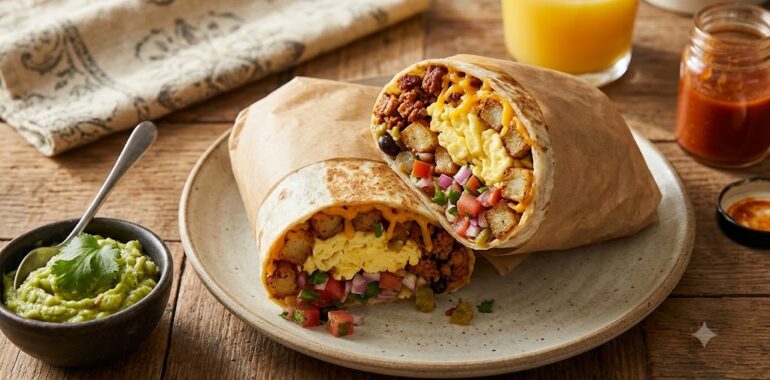
5. Individual Breakfast Burritos
For mornings that don’t allow time to cook, having a stash of pre-made breakfast burritos in the freezer solves the problem entirely.
Ingredients (makes about 8 burritos):
- 8 eggs, scrambled
- 1 cup black beans, drained and rinsed
- 1 cup shredded cheese
- 1 cup cooked, diced sweet potato or bell peppers
- 8 whole wheat tortillas
Instructions: Scramble the eggs, keeping them slightly underdone since they’ll finish cooking during reheating. Assemble each tortilla with eggs, beans, cheese, and vegetables, then roll tightly. Wrap each burrito individually in foil or parchment paper, then place in a freezer bag. To reheat, unwrap and microwave for 2–3 minutes, or reheat in a skillet for a crispier exterior.
Techniques for Freezing Meals Successfully
Cool completely before freezing. Placing warm food directly into the freezer raises the temperature of everything around it and can lead to uneven freezing or partial thawing of nearby items. Letting food cool to room temperature first, then refrigerating briefly before transferring to the freezer, produces a better result.
Portion before freezing, not after. Freezing a large single batch means thawing the entire thing even if you only need one serving. Dividing meals into individual or family-sized portions before freezing allows you to thaw exactly what you need.
Use airtight, freezer-safe containers or bags. Air exposure is the primary cause of freezer burn, which affects both texture and flavor. Removing as much air as possible, whether through a vacuum seal, pressing air out of a freezer bag, or using tightly sealed containers, significantly extends how well a meal holds up.
Leave certain ingredients out until reheating. Dairy-based sauces can sometimes separate or become grainy after freezing, and delicate vegetables like fresh greens, cucumber, or fresh herbs typically don’t hold their texture well. Adding these fresh after reheating, rather than freezing them as part of the dish, produces a noticeably better final result.
Label everything with the date. Even well-frozen meals have a reasonable shelf life, typically two to three months for best quality, though most remain safe well beyond that. Labeling containers with the date prevents meals from getting lost and forgotten in the back of the freezer indefinitely.
Thaw safely. Thawing in the refrigerator overnight, rather than at room temperature, keeps food in a safer temperature range and tends to produce a more even reheating result afterward.
Building a Rotating Freezer Stock
Rather than doing one massive cooking marathon and then not touching the freezer again for months, it works well to treat freezer cooking as an ongoing habit — doubling a recipe whenever you’re already cooking dinner, and freezing the extra portion rather than saving it as fridge leftovers that might not get eaten in time. Over a few weeks, this approach builds a rotating stock of varied meals without requiring a single dedicated freezer-cooking day.
The Bottom Line
A well-stocked freezer of real, healthy meals is one of the most effective tools for avoiding the takeout-or-nothing trap on busy nights. With the right cooling, portioning, and packaging techniques, meals like chili, soup, meatballs, curry, and breakfast burritos can taste just as good reheated as they did the day they were made, giving future you a genuinely good option on nights when cooking from scratch simply isn’t going to happen.

I’m Brinley, and I believe in progress over perfection. My holistic journey started when I traded rigid fads for the 80/20 rule and nature-based remedies. I only share advice I’ve lived through—from botanical skincare that fixed my dry skin to easy kitchen hacks. I’m here to help you build a nourished life through small, intentional, and sustainable choices.