
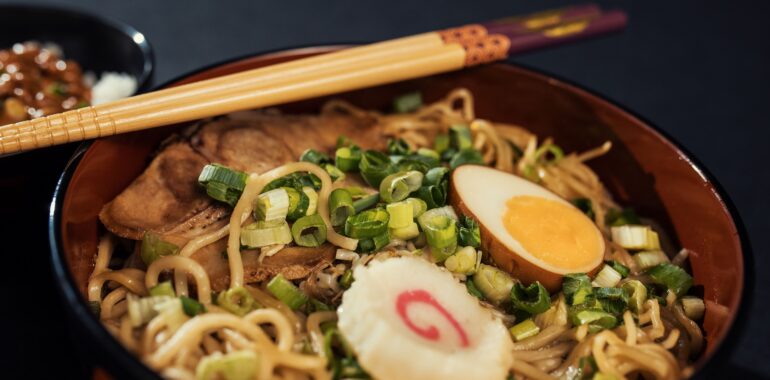
Healthy Noodle Soup Bowls That Beat Takeout Ramen
Few meals feel as satisfying on a cold or stressful day as a steaming bowl of noodle soup, and it’s entirely possible to build that same comfort at home with a fraction of the sodium and processed ingredients found in most instant or takeout versions. A well-built noodle soup bowl layers a flavorful broth, a protein source, vegetables, and noodles into something that feels indulgent while still being genuinely nourishing.
Below are five noodle soup bowls worth adding to your rotation, along with the broth-building technique that makes the biggest difference in flavor.
1. Chicken and Vegetable Noodle Soup
Ingredients (serves 4):
- 1.5 lbs chicken breast or thighs
- 6 cups chicken broth
- 2 carrots, sliced
- 2 celery stalks, sliced
- 3 cloves garlic, minced
- 1 tablespoon fresh ginger, minced
- 8 oz rice noodles or soba noodles
- 2 green onions, sliced
Instructions: Simmer the chicken in the broth with garlic and ginger for 20–25 minutes, until fully cooked, then remove and shred. Add the carrots and celery to the broth, simmering for 8–10 minutes until tender. Cook the noodles separately according to package instructions, then divide among bowls. Ladle the broth and vegetables over the noodles, top with shredded chicken and green onions.
2. Shrimp and Vegetable Ramen-Style Bowl
Ingredients (serves 4):
- 1.5 lbs shrimp, peeled and deveined
- 6 cups low-sodium chicken or vegetable broth
- 2 tablespoons soy sauce
- 1 tablespoon miso paste
- 2 cups baby bok choy or spinach
- 1 cup sliced mushrooms
- 8 oz ramen noodles (fresh or dried, discard the seasoning packet if using instant)
- 2 soft-boiled eggs, halved
Instructions: Whisk the miso paste into the warmed broth along with the soy sauce. Add the mushrooms and simmer for 5 minutes, then add the shrimp, cooking for 2–3 minutes until pink. Add the bok choy or spinach in the last minute, just until wilted. Cook the noodles separately, divide among bowls, and ladle the broth, shrimp, and vegetables over the top. Finish each bowl with half a soft-boiled egg.
3. Beef Pho-Inspired Bowl
Ingredients (serves 4):
- 1 lb thinly sliced beef (sirloin or flank works well)
- 6 cups beef broth
- 1 onion, sliced
- 1 cinnamon stick
- 2 star anise pods
- 1 tablespoon fish sauce
- 8 oz rice noodles
- Fresh basil, bean sprouts, and lime, for serving
Instructions: Simmer the broth with onion, cinnamon stick, star anise, and fish sauce for 20 minutes to infuse the flavors, then strain out the solids. Cook the rice noodles according to package instructions and divide among bowls. Bring the strained broth back to a simmer, then ladle it directly over the raw, thinly sliced beef in each bowl — the hot broth will cook the beef almost instantly given how thin it’s sliced. Top with fresh basil, bean sprouts, and a squeeze of lime.
4. Vegetable and Tofu Noodle Soup (Vegetarian)
Ingredients (serves 4):
- 1 block firm tofu, cubed
- 6 cups vegetable broth
- 2 tablespoons soy sauce
- 1 tablespoon miso paste
- 2 cups bok choy or spinach
- 1 cup shredded carrots
- 8 oz soba or rice noodles
Instructions: Whisk the miso paste and soy sauce into the warmed vegetable broth. Add the tofu and carrots, simmering for 8–10 minutes. Add the bok choy or spinach in the last minute. Cook the noodles separately, divide among bowls, and ladle the broth mixture over the top.
5. Spicy Turkey Noodle Soup
Ingredients (serves 4):
- 1 lb ground turkey
- 6 cups chicken broth
- 2 tablespoons chili garlic sauce (adjust to taste)
- 1 tablespoon soy sauce
- 2 cups spinach
- 8 oz rice noodles
- 2 soft-boiled eggs, halved
Instructions: Brown the ground turkey in a pot, then add the broth, chili garlic sauce, and soy sauce, simmering for 15 minutes. Add the spinach in the last minute, just until wilted. Cook the noodles separately, divide among bowls, ladle the broth and turkey over the top, and finish with half a soft-boiled egg per bowl.
The Broth Technique That Makes the Biggest Difference
Build flavor in layers, not all at once. Aromatics like garlic, ginger, and onion benefit from being simmered in the broth for a meaningful stretch of time (15–20 minutes minimum) to fully infuse their flavor, rather than being added just before serving.
Use umami-rich ingredients to deepen flavor without excess sodium. Miso paste, a small amount of fish sauce, or a splash of soy sauce all add significant savory depth, meaning you can rely less on salt alone to make the broth taste satisfying.
Cook noodles separately from the broth. Cooking noodles directly in the broth can cause them to release starch and cloud the liquid, and also makes it harder to control exact noodle doneness. Cooking noodles separately and combining just before serving keeps both the broth and noodles at their best individual texture.
Don’t overcook delicate proteins or greens. Shrimp, thin-sliced beef, and leafy greens like spinach or bok choy all cook within a minute or two. Adding them last, right before serving, prevents them from becoming tough or overly soft.
Why Homemade Noodle Soup Beats Takeout and Instant Versions
Restaurant ramen and instant noodle packets are frequently very high in sodium, sometimes exceeding a full day’s recommended intake in a single serving, along with often relying on less nutritionally substantial noodles and minimal fresh vegetable or protein content. Building a bowl at home allows for genuine control over sodium levels through the broth base, while ensuring a much more substantial amount of real protein and vegetables in the final dish.
Tips for Meal Prepping Noodle Soup
Store broth and noodles separately. Noodles left sitting in broth for an extended period will absorb liquid and become mushy. Storing the broth separately and combining with freshly reheated noodles just before eating preserves a much better texture throughout the week.
Batch cook the broth base in advance. Since the broth requires the longest cooking time to develop flavor, making a large batch and freezing portions allows for a much faster assembly on busy days, needing only fresh noodles, protein, and vegetables to complete the bowl.
Add delicate toppings fresh each time. Soft-boiled eggs, fresh herbs, and bean sprouts are best added right before eating rather than stored as part of a pre-assembled meal prep container.
The Bottom Line
A well-built noodle soup bowl offers the same comforting, warming satisfaction as restaurant ramen or pho, without the excessive sodium and thin nutritional profile common to instant or takeout versions. By building a flavorful broth base, cooking noodles and delicate ingredients separately, and loading up on real protein and vegetables, homemade noodle soup can become a genuinely reliable, nourishing meal rather than an occasional indulgence.

I’m Brinley, and I believe in progress over perfection. My holistic journey started when I traded rigid fads for the 80/20 rule and nature-based remedies. I only share advice I’ve lived through—from botanical skincare that fixed my dry skin to easy kitchen hacks. I’m here to help you build a nourished life through small, intentional, and sustainable choices.