
Iron-Clad Cooking: 4 Recipes to Boost Your Energy Levels
For a significant period, I struggled with that mid-afternoon “slump” and persistent fatigue, assuming it was just part of a busy schedule. Previously, I hadn’t realized that my diet was missing the vital mineral responsible for transporting oxygen throughout my body: Iron. It was common to believe that eating iron-rich food meant consuming bland portions of liver or endless bowls of plain spinach. Everything changed when I learned the “Vitamin C Synergy” trick. I discovered that iron absorption is a biological lock-and-key system; by pairing iron sources with Vitamin C, you can significantly increase how much your body actually uses.
The goal of iron-rich cooking is to create meals that are high in either Heme iron (found in animal products like beef and clams) or Non-Heme iron (found in plants like lentils and spinach). I love the way these recipes utilize “Functional Flavoring”—using things like lemon juice or bell peppers not just for taste, but as absorption catalysts. When you start building your plates around these nutrient pairings, you move away from the “iron-deficient” fog and into a state of sustained vitality.
Here are five recipes designed to maximize your iron intake while satisfying your palate.
The Science of the “Iron Pair”
Before we cook, we need to understand the two different types of iron and how to optimize them.
1. Heme vs. Non-Heme Iron
- Heme Iron: Found in meat, poultry, and fish. It is highly bioavailable, meaning your body absorbs it easily (15% to 35% absorption rate).
- Non-Heme Iron: Found in plants, grains, and nuts. It is harder for the body to absorb on its own (2% to 20% absorption rate).
2. The Absorption Catalysts
- Vitamin C: Pairing plant-based iron with Vitamin C (oranges, peppers, tomatoes) can triple the absorption rate of non-heme iron.
- Cast Iron Cooking: Using cast iron pans can actually leach small amounts of beneficial iron into your food, especially when cooking acidic ingredients like tomato sauce.
Recipe 1: Steak & Spinach “Cast Iron” Power Bowls
The ultimate heme-iron meal for maximum absorption and muscle recovery.
- Ingredients: 6 oz Lean Sirloin Steak, 2 cups Fresh Spinach, 1 Red Bell Pepper (sliced), 1 cup Cooked Brown Rice, Lime wedges.
- Instructions:
- The Sear: Get your cast iron skillet ripping hot. Season the steak with salt and pepper. Sear for 3–4 minutes per side, then let it rest on a board for 5 minutes.
- The Wilt: In that same hot skillet, toss in the spinach and red bell pepper. The heat will wilt the greens and soften the peppers in under a minute.
- Assemble: Slice the steak against the grain and serve it over the rice with the sautéed veggies.
Personal Tip: Cook in actual cast iron! The pan actually leaches small amounts of beneficial iron into your food, and pairing the steak with red bell peppers (which have more Vitamin C than oranges) makes the absorption rate skyrocket.
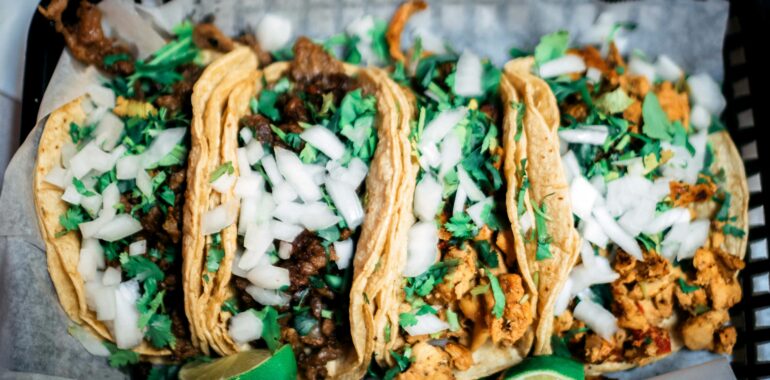
Recipe 2: Black Bean & “Citrus Salsa” Tacos
A vibrant, meatless option that proves plant-iron can be incredibly flavorful.
- Ingredients: 1 can Black Beans, 1 tsp Cumin, 1 clove Garlic (minced), 4 Whole-Wheat Tortillas, 1/2 cup Strawberries (diced), 1/2 cup Mango (diced), Fresh Cilantro.
- Instructions:
- The Beans: Simmer the beans with a splash of water, cumin, and garlic for 10 minutes. Mash a few beans with your fork to make them creamy.
- The Salsa: In a small bowl, toss the diced strawberries and mango with chopped cilantro and a squeeze of lime.
- Build: Warm your tortillas, fill with beans, and top generously with the fruit salsa.
Personal Tip: It sounds wild, but fruit salsa is the secret weapon here. The acidity and Vitamin C in the strawberries and mango are the biological “boosters” your body needs to process the non-heme iron in the beans.
Recipe 3: The “Morning Mineral” Fortified Oats
A breakfast that targets your blood health before your first meeting of the day.
- Ingredients: 1/2 cup Iron-Fortified Rolled Oats, 1 cup Water or Nut Milk, 1 Tbsp Raw Pumpkin Seeds (Pepitas), 1/2 cup Strawberries (sliced).
- Instructions:
- Cook the Oats: Combine the oats and liquid in a small pot. Cook on the stovetop over medium heat until creamy (about 5–7 minutes).
- Boost: Once cooked, stir in the pumpkin seeds while the oats are still hot.
- Top: Pour into a bowl and layer the sliced strawberries on top.
Personal Tip: Ditch the morning tea or coffee for at least an hour. The tannins in caffeine can block your iron absorption by up to 60%. Have a glass of orange juice instead to double down on that Vitamin C!
Recipe 4: Clam & Kale “Pantry” Linguine
A restaurant-style meal using one of the highest heme-iron sources on the planet.
- Ingredients: 1 can Baby Clams (with juice), 2 cups Chopped Kale, 2 cloves Garlic (minced), 2 oz Whole-Wheat Linguine, Olive Oil, Black Pepper.
- Instructions:
- Pasta: Boil the pasta in salted water. Save 1/4 cup of the pasta water before draining.
- The Sauce: Sauté the garlic in olive oil. Add the can of baby clams (juice and all!) and the chopped kale.
- Toss: Once the kale has softened into the juice, toss in the pasta and the saved water. Stir over medium heat for 1 minute until the sauce clings to the noodles.
Personal Tip: Canned clams are my “sluggish day” pantry hero. They actually contain more heme iron per gram than beef, making this the fastest way to refuel when your energy is tanking.
Conclusion: Iron is an Investment
Building up your iron stores isn’t about one “supermeal”—it’s about the consistency of your choices and the strategy of your pairings. By making the “Iron Pair” (Iron + Vitamin C) a habit, you move from a state of fatigue to a state of resilience. These recipes prove that eating for your blood health can be vibrant, diverse, and genuinely delicious.
Final Tip: If you’re feeling chronically tired, try to incorporate at least one of these “Vitamin C + Iron” pairings into your daily routine. It takes time for iron stores to rebuild, but your energy levels will start to thank you within a few weeks!

I’m Brinley, and I believe in progress over perfection. My holistic journey started when I traded rigid fads for the 80/20 rule and nature-based remedies. I only share advice I’ve lived through—from botanical skincare that fixed my dry skin to easy kitchen hacks. I’m here to help you build a nourished life through small, intentional, and sustainable choices.