

No-Equipment Workouts You Can Actually Do Anywhere
One of the most common excuses for skipping exercise is not having access to a gym or equipment — traveling, a busy week, or simply not wanting to invest in home equipment before knowing if a routine will actually stick. The good news is that a genuinely effective workout doesn’t require any equipment at all. Bodyweight training, done well, builds real strength, endurance, and mobility, and it can be done in a hotel room, a living room, or a small patch of grass just as effectively as in a fully equipped gym.
Below are complete no-equipment workouts for different goals, along with the reasoning behind why bodyweight training works and tips for making progress without ever touching a weight.
Why Bodyweight Training Is Genuinely Effective
Bodyweight exercises use your own body as resistance, which is more than sufficient to build meaningful strength, particularly for beginner to intermediate fitness levels. Movements like push-ups, squats, and lunges engage major muscle groups through a full range of motion, and progression is achieved not through adding external weight but through adjusting leverage, tempo, range of motion, and volume — all of which can meaningfully increase difficulty without any equipment at all.
Full-Body Strength Workout
This routine targets all major muscle groups and can be completed in about 25–30 minutes.
Circuit (repeat 3–4 times):
- 12 push-ups (modify on knees if needed)
- 15 bodyweight squats
- 10 walking lunges per leg
- 30-second plank
- 12 glute bridges
- 20 mountain climbers (10 per side)
Rest for 60–90 seconds between rounds. As this becomes easier, increase repetitions, slow down the tempo of each movement, or reduce rest time between rounds to increase difficulty.
Cardio-Focused HIIT Workout
For those looking for a higher-intensity, heart-pumping session, this workout alternates short bursts of effort with brief recovery periods.
Format: 40 seconds of work, 20 seconds of rest, repeat each exercise for 3 rounds before moving to the next.
- Jumping jacks
- High knees
- Squat jumps
- Burpees
- Mountain climbers
- Skater jumps (lateral bounds side to side)
This style of workout, sometimes called HIIT (high-intensity interval training), has been shown in research to produce cardiovascular benefits comparable to longer, steady-state cardio sessions in a fraction of the time.
Lower Body Focused Workout
For those wanting to specifically target legs and glutes, this routine emphasizes single-leg and compound lower-body movements.
Circuit (repeat 3 times):
- 15 squats
- 12 reverse lunges per leg
- 15 glute bridges
- 10 single-leg deadlifts per leg (bodyweight only, using balance and control)
- 20 calf raises
- 30-second wall sit
Upper Body and Core Workout
This routine focuses on building upper body strength and core stability without any equipment.
Circuit (repeat 3–4 times):
- 12 push-ups
- 10 pike push-ups (targets shoulders, feet elevated slightly if possible)
- 15 tricep dips (using a sturdy chair or low surface)
- 30-second plank
- 15 bicycle crunches per side
- 20-second side plank per side
Mobility and Recovery Routine
For rest days or as a way to reduce stiffness, this routine focuses on movement quality rather than intensity.
- 10 cat-cow stretches
- 30-second world’s greatest stretch per side (a deep lunge with a rotational reach)
- 10 leg swings per leg (forward-back and side-to-side)
- 30-second child’s pose
- 10 shoulder rolls each direction
- 30-second standing forward fold
How to Make Bodyweight Training Progressively Harder
One common misconception about bodyweight training is that it plateaus quickly since you can’t add external weight. In reality, there are several effective ways to increase difficulty over time:
Adjust leverage. Elevating your feet during a push-up, or performing a single-leg version of a squat or glute bridge, significantly increases the resistance your muscles have to work against.
Slow down the tempo. Performing each repetition more slowly, particularly the lowering (eccentric) portion of a movement, increases time under tension and makes the same exercise noticeably more challenging.
Reduce rest time. Shortening rest periods between sets or rounds increases the cardiovascular and muscular demand of a workout without changing the exercises themselves.
Add unilateral (single-limb) variations. Single-leg or single-arm versions of standard exercises require more stabilization and generally increase difficulty substantially compared to their two-limb counterparts.
Increase range of motion. Deeper squats, fuller push-up range, or adding a pause at the most challenging point of a movement all increase the demand on working muscles.
Building a Weekly No-Equipment Routine
A balanced week might look like:
- Monday: Full-body strength workout
- Tuesday: Cardio-focused HIIT
- Wednesday: Mobility and recovery
- Thursday: Lower body focused workout
- Friday: Upper body and core workout
- Saturday: A longer walk, hike, or light cardio activity
- Sunday: Rest or gentle mobility work
Common Questions About Bodyweight-Only Training
Can you actually build significant muscle without weights? Yes, particularly for beginner and intermediate fitness levels. Bodyweight training can build meaningful strength and muscle, though very advanced trainees eventually benefit from external resistance to continue progressing at the same rate.
Is bodyweight training enough for weight loss? Combined with a reasonable approach to nutrition, yes — the calorie burn and metabolic benefits of a well-structured bodyweight routine, particularly one incorporating HIIT-style training, can meaningfully support weight loss goals.
How often should you train with bodyweight exercises? Three to five sessions per week, allowing for adequate recovery between sessions targeting the same muscle groups, tends to produce good results for most people.
The Bottom Line
A lack of equipment or gym access is a genuinely surmountable obstacle to real, effective exercise. Bodyweight training offers enough variety and progression potential to build strength, cardiovascular fitness, and mobility indefinitely, without ever requiring a single piece of equipment. Whether you’re traveling, working out at home, or simply prefer not to invest in equipment, the workouts above provide a complete, adaptable foundation that can grow in difficulty right alongside your fitness level.
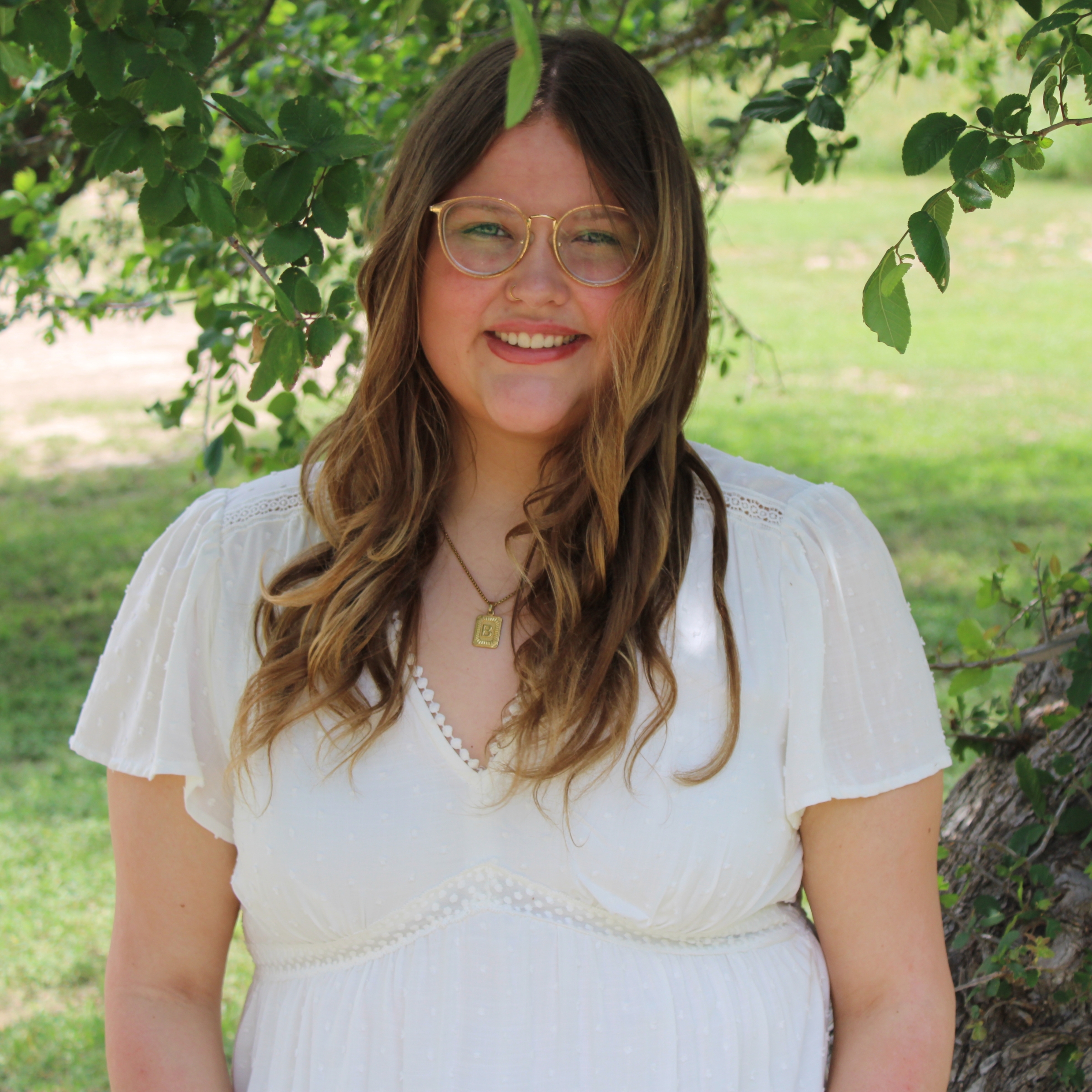
I’m Brinley, and I believe in progress over perfection. My holistic journey started when I traded rigid fads for the 80/20 rule and nature-based remedies. I only share advice I’ve lived through—from botanical skincare that fixed my dry skin to easy kitchen hacks. I’m here to help you build a nourished life through small, intentional, and sustainable choices.