
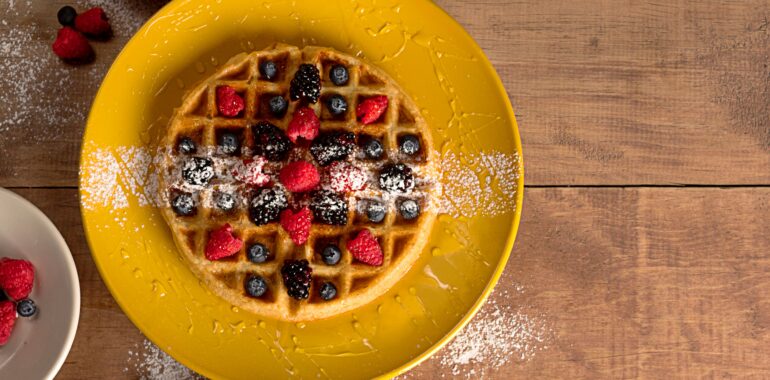
Protein Pancakes and Waffles That Don’t Taste Like Cardboard
Protein pancakes have a reputation, and not always a good one — dense, rubbery, and vaguely chalky are words that come up a little too often. Done right, though, a protein-boosted pancake or waffle can be genuinely fluffy, satisfying, and far more filling than a traditional version, without tasting like a compromise. The key is balancing the protein source with enough fat, leavening, and liquid to avoid the dry, gummy texture that gives protein pancakes their bad name in the first place.
Below are five protein pancake and waffle recipes worth trying, along with the specific techniques that keep the texture right.
Why Traditional Pancakes Fall Short on Staying Power
A standard pancake or waffle, made primarily from refined white flour, offers relatively little protein or fiber, meaning the resulting blood sugar spike is often followed by a crash and renewed hunger within an hour or two. Boosting the protein content — through cottage cheese, protein powder, or Greek yogurt — meaningfully extends satiety, turning what’s often treated as an indulgent, occasional breakfast into something that can reasonably function as a regular, balanced meal.
1. Cottage Cheese Protein Pancakes
Ingredients (serves 2, makes about 8 small pancakes):
- 1 cup cottage cheese
- 4 eggs
- 1/2 cup rolled oats
- 1/2 teaspoon baking powder
- 1/2 teaspoon vanilla extract
- Pinch of cinnamon
Instructions: Blend all ingredients together until completely smooth (a blender works better than a whisk for fully incorporating the cottage cheese). Cook on a lightly greased griddle or nonstick pan over medium heat, using about 1/4 cup batter per pancake, flipping once bubbles form and the edges look set, about 2–3 minutes per side.
2. Classic Protein Powder Pancakes
Ingredients (serves 2, makes about 8 pancakes):
- 1 scoop vanilla protein powder
- 1 cup oat flour (or rolled oats blended into flour)
- 1 banana, mashed
- 2 eggs
- 1/2 cup milk
- 1 teaspoon baking powder
Instructions: Whisk together the protein powder, oat flour, and baking powder. In a separate bowl, mash the banana and mix in the eggs and milk. Combine the wet and dry ingredients, stirring until just combined without overmixing, which can make pancakes tough. Cook on a lightly greased griddle over medium heat, about 2–3 minutes per side.
3. Greek Yogurt Protein Waffles
Ingredients (serves 2, makes about 4 waffles):
- 1 cup Greek yogurt
- 2 eggs
- 1 cup whole wheat flour
- 1 teaspoon baking powder
- 1 tablespoon honey
- 1/2 cup milk (adjust as needed for batter consistency)
Instructions: Whisk the Greek yogurt, eggs, honey, and milk together. In a separate bowl, combine the flour and baking powder, then fold into the wet ingredients until just combined. Cook in a preheated waffle iron according to the manufacturer’s instructions, typically 3–5 minutes, until golden and crisp.
4. Peanut Butter Protein Pancakes
Ingredients (serves 2, makes about 6 pancakes):
- 1/2 cup natural peanut butter
- 3 eggs
- 1 ripe banana
- 1/2 teaspoon baking powder
- Pinch of salt
Instructions: Blend all ingredients together until smooth. Cook on a lightly greased griddle over medium-low heat (this batter can brown quickly due to the natural sugar in banana and peanut butter), about 2–3 minutes per side, until golden and cooked through.
5. Chocolate Protein Waffles
Ingredients (serves 2, makes about 4 waffles):
- 1 scoop chocolate protein powder
- 1 cup oat flour
- 2 eggs
- 1 cup milk
- 1 tablespoon cocoa powder
- 1 teaspoon baking powder
- 1 tablespoon honey or maple syrup
Instructions: Whisk together the protein powder, oat flour, cocoa powder, and baking powder. In a separate bowl, combine the eggs, milk, and honey, then mix with the dry ingredients until just combined. Cook in a preheated waffle iron, about 3–5 minutes, until set and slightly crisp on the outside.
The Technique That Actually Fixes Rubbery Protein Pancakes
Don’t overload on pure protein powder alone. Using only protein powder as the base, without any flour, oats, or another binding starch, tends to produce a dense, rubbery texture, since protein powder lacks the starch structure that flour or oats provide. Combining protein powder with a modest amount of oat or whole wheat flour maintains the protein boost while preserving a lighter texture.
Include a fat source. A small amount of fat — from peanut butter, eggs, or Greek yogurt — helps keep the texture moist and tender rather than dry, which is a common complaint with high-protein baked goods that skip fat almost entirely in the name of being “lean.”
Don’t overmix the batter. Overmixing develops gluten in any flour-based batter, leading to a tougher, chewier texture rather than a light, fluffy one. Stirring just until the ingredients are combined, even if a few small lumps remain, produces a better final texture.
Cook at a slightly lower temperature than traditional pancakes. Protein-rich and higher-sugar batters (particularly those with banana or honey) tend to brown faster than plain flour-based pancakes, so a slightly lower heat prevents the outside from burning before the inside has fully cooked.
Let the batter rest for a few minutes before cooking. This allows the oat flour or rolled oats time to absorb some liquid, which helps prevent a gritty texture and gives the leavening agent a chance to start working before the batter hits the pan.
Topping Ideas That Keep the Meal Balanced
Fresh fruit adds natural sweetness and fiber without significantly increasing the need for syrup or other added sugar.
A dollop of Greek yogurt adds another layer of protein while providing a similar creamy, indulgent quality to whipped cream or a heavier topping.
Nut butter drizzle adds healthy fat and reinforces the protein content, particularly useful for anyone eating this as a pre- or post-workout meal.
A light drizzle of real maple syrup, used sparingly, provides the classic pancake flavor without needing to rely on it as the primary source of sweetness in the dish itself.
Storage and Meal Prep Tips
Protein pancakes and waffles freeze remarkably well, making them a good candidate for batch cooking. Cooling completely, then freezing in a single layer before transferring to a freezer bag, prevents them from sticking together and allows individual portions to be reheated directly from frozen in a toaster or oven, restoring much of their original texture.
The Bottom Line
Protein pancakes and waffles don’t have to live up to their reputation for being dense and unpleasant. By balancing a protein source with enough starch, fat, and careful cooking technique, it’s entirely possible to build a version that’s genuinely fluffy and satisfying, while still offering significantly more staying power than a traditional recipe. Once the base technique clicks, these recipes become an easy, freezer-friendly way to make breakfast feel both indulgent and nutritionally solid at the same time.

I’m Brinley, and I believe in progress over perfection. My holistic journey started when I traded rigid fads for the 80/20 rule and nature-based remedies. I only share advice I’ve lived through—from botanical skincare that fixed my dry skin to easy kitchen hacks. I’m here to help you build a nourished life through small, intentional, and sustainable choices.