
Soothing Stressed Skin: Natural Remedies for Calm and Balance
Initially, my reaction to skin redness was to buy more products. I would reach for “extra strength” creams or harsh exfoliating toners, thinking I needed to scrub the irritation away. My approach changed when I realized that stressed skin doesn’t need more intervention; it needs more peace. I eventually learned that the most powerful tools for calming inflammation aren’t synthetic chemicals, but the quiet, cooling botanicals found in nature.
I’ve discovered that when your skin is in a state of “stress”—characterized by tightness, redness, or heat—it is usually a signal that your acid mantle (your skin’s protective barrier) has been compromised. The goal isn’t to fix it with complex formulas, but to soothe it with simple, anti-inflammatory plants like chamomile, aloe, and calendula. By stripping back your routine and leaning into these natural healers, you can restore balance and help your skin find its calm again.
This guide explores the specific botanical remedies that act as an “emergency kit” for stressed skin. We will walk through how to identify the signs of a compromised barrier and how to use gentle, plant-based solutions to reduce redness and restore a healthy, resilient glow.
The Trio of Calm: Botanical Healers
When my skin feels reactive, I look for these three specific ingredients. They are the “heavy hitters” of the botanical world for reducing heat and inflammation.
1. Aloe Vera: The Instant Cooler
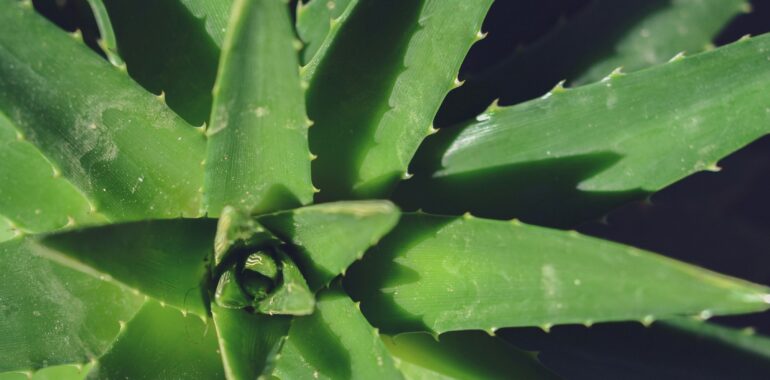
Aloe vera is a succulent that contains a clear gel packed with vitamins, minerals, and polysaccharides. It’s perhaps the fastest-acting natural remedy for heat-related stress.
- How it works: It provides a protective layer on the skin while stimulating collagen production and providing a burst of moisture without a heavy, occlusive feel.
Personal Tip: I keep a few aloe vera leaves (or a bottle of 100% pure gel) in the back of my refrigerator. I’ve found that applying chilled aloe to red or “angry” skin provides a much faster vasoconstriction effect, which helps the redness fade in minutes rather than hours.
2. Chamomile: The Anti-Inflammatory Powerhouse
Just as chamomile tea calms your mind, it does the same for your skin. It contains bisabolol and chamazulene, two compounds that specifically target inflammatory pathways.
- How it works: It works on a cellular level to block the signals that cause itching and swelling. It is incredibly gentle, making it perfect for those with eczema or rosacea.
Personal Tip: Steep two organic chamomile tea bags in half a cup of water, then let it cool completely. I’ve found that using this “tea” as a gentle compress with a clean cloth is one of the most effective ways to calm a sudden flare-up after a long day in the wind or sun.
3. Calendula: The Barrier Builder
Often called “Pot Marigold,” calendula is prized for its ability to speed up the healing of skin tissue.
- How it works: It promotes the growth of new, healthy skin cells and prevents the entry of bacteria into micro-tears in the skin barrier.
Personal Tip: I look for calendula-infused oils that use jojoba as the base. I’ve found that adding just two drops of calendula oil to my regular moisturizer at night helps “lock in” the healing process while I sleep, preventing that tight, dry feeling in the morning.
Steps to Restore Skin Balance
When your skin is stressed, your routine should be about “less, but better.” Here is the protocol I follow to bring my skin back to center.
Step 1: The Product Fast
If your skin is stinging when you apply your usual products, it’s time for a “product fast.”
- The Move: For 48 hours, stop using all active ingredients (Retinol, Vitamin C, AHAs/BHAs). Wash your face with only lukewarm water or a very gentle, milk-based cleanser.
Step 2: Cool, Don’t Freeze
While heat is the enemy of stressed skin, extreme cold can also cause “vasomotor” shock.
Personal Tip: When washing your face, aim for “room temperature” water. I’ve found that even slightly warm water can trigger more redness, but icy water can be too aggressive. Lukewarm is the sweet spot for a compromised barrier.
Step 3: Layer Your Moisture
Stressed skin needs moisture to heal, but heavy creams can sometimes trap heat.
- The Move: Use a “water-sandwich” technique. Apply a thin layer of aloe or a chamomile hydrosol to damp skin, then immediately follow with a simple, fragrance-free oil (like squalane or jojoba) to seal it in.
Personal Tip: If your skin feels particularly dry and flaky during a stress flare-up, avoid the temptation to exfoliate. I’ve found that applying a very thin layer of raw honey as a “wash-off” mask for 10 minutes provides a gentle enzymatic clean without any physical scrubbing.
Avoiding Common “Stress” Triggers
Sometimes the stress comes from within or from our environment.
- The Fragrance Factor: Even natural essential oils can be too much for truly stressed skin. When you are in the “repair phase,” choose products that are completely fragrance-free.
- The Internal Connection: Skin inflammation is often linked to internal inflammation.
Personal Tip: Increase your intake of Omega-3 fatty acids (like walnuts, chia seeds, or wild-caught fish) during a skin flare-up. I’ve found that “hydrating from the inside out” with healthy fats helps the skin barrier repair itself much faster than topical treatments alone.
Finding Your Glow Again
Stressed skin is a message from your body asking for a pause. By responding with the cooling power of aloe, the anti-inflammatory properties of chamomile, and the healing touch of calendula, you are honoring that request. Skincare isn’t always about “fixing” or “changing” your face; sometimes it’s simply about providing the right environment for your skin to do what it does best: heal itself.
Final Tip: Change your pillowcase to a clean, silk or high-thread-count cotton one every night during a skin flare-up. I’ve found that reducing the friction and potential bacteria on your pillow allows the skin to stay calm and focused on repair throughout the night.

I’m Brinley, and I believe in progress over perfection. My holistic journey started when I traded rigid fads for the 80/20 rule and nature-based remedies. I only share advice I’ve lived through—from botanical skincare that fixed my dry skin to easy kitchen hacks. I’m here to help you build a nourished life through small, intentional, and sustainable choices.