
Strength Training for Beginners: Everything You Wish Someone Told You Sooner
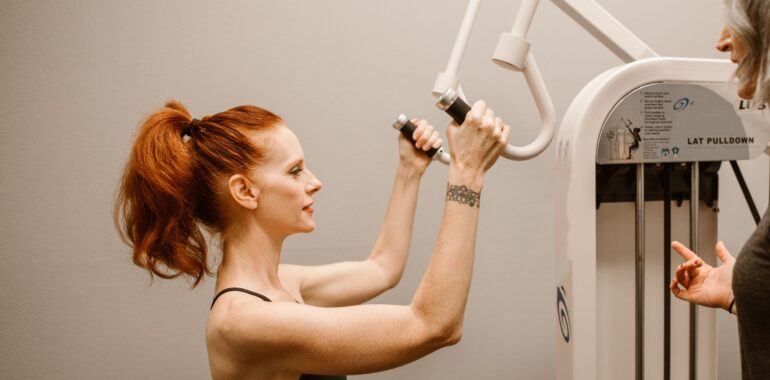
Walking into a weight room for the first time can feel genuinely intimidating — unfamiliar equipment, an unspoken sense that everyone else knows exactly what they’re doing, and a real fear of getting the form wrong and getting hurt. The good news is that strength training is far more approachable than it initially seems, and the fundamentals that actually matter are a much shorter list than the overwhelming amount of advice online might suggest.
Why Strength Training Matters, Beyond Building Muscle
Strength training offers benefits well beyond aesthetics or raw muscle size. It supports bone density, which becomes increasingly important with age, particularly for women navigating hormonal changes that affect bone health. It improves functional strength for everyday tasks — carrying groceries, lifting a child, getting up from the floor easily — and it plays a meaningful role in metabolic health, since muscle tissue is more metabolically active than fat tissue. Research also consistently links regular strength training to improved mood and reduced symptoms of anxiety and depression, independent of any physical changes.
Getting Over the Intimidation Factor
Much of the anxiety around starting strength training comes from a sense that there’s a “right way” to do everything and a fear of looking foolish while learning. In reality, virtually everyone in a gym was once a beginner, and most experienced lifters are focused on their own workout rather than scrutinizing anyone else’s. Starting with a few basic movements, practiced consistently, is a far more effective approach than trying to master an intimidating, comprehensive program right away.
The Core Movements Worth Learning First
Rather than trying to learn dozens of exercises immediately, focusing on a handful of foundational movement patterns provides the most value for beginners, since these patterns form the basis for countless variations later on.
Squat
Works the quadriceps, glutes, and core, and translates directly to everyday movements like sitting down and standing up. Starting with bodyweight squats to establish proper form before adding any external weight is a reasonable approach for most beginners.
Hip Hinge (Deadlift Pattern)
Targets the hamstrings, glutes, and lower back, and reinforces a movement pattern used constantly in daily life, like picking something up from the floor. Learning this pattern with just bodyweight or a light weight, focusing on keeping a neutral spine, matters more initially than the amount of weight being lifted.
Push (Push-Up or Chest Press)
Builds the chest, shoulders, and triceps. Push-ups are a completely valid starting point and can be modified (on knees, or against a wall) to match current strength level before progressing to a full push-up or an added-weight chest press.
Pull (Row or Pull-Up Progression)
Targets the back and biceps, and is particularly important since many daily activities and other exercises emphasize pushing movements more than pulling ones, creating an imbalance if pulling exercises are neglected. Resistance band rows or assisted pull-up machines offer accessible starting points.
Core Stability (Plank and Variations)
Rather than focusing purely on visible abdominal muscles, core training for beginners should prioritize stability — the ability to keep the spine in a neutral, supported position under load, which supports virtually every other strength movement.
A Simple Beginner Program
A reasonable starting program for someone new to strength training might look like three sessions per week, focusing on full-body movements each time rather than splitting muscle groups across different days, which tends to work better once more experience and volume tolerance has been built.
Sample Session (repeat 3x per week, with a rest day between sessions):
- Squats: 3 sets of 10–12
- Push-ups (modified as needed): 3 sets of 8–10
- Bodyweight or resistance band rows: 3 sets of 10–12
- Hip hinge movement (bodyweight or light weight): 3 sets of 10
- Plank: 3 sets of 20–30 seconds
As these movements start to feel manageable, weight, repetitions, or sets can be gradually increased to continue providing an adequate training stimulus.
Understanding Progressive Overload
The core principle behind long-term strength gains is progressive overload — gradually increasing the demand placed on muscles over time, whether through more weight, more repetitions, more sets, or simply better form and control. Without some form of progression, muscles adapt to a given stimulus and stop improving, which is why the same beginner routine, if never adjusted, eventually plateaus in its effectiveness.
For beginners specifically, progression doesn’t need to be aggressive. Adding small amounts of weight or an extra repetition every week or two is generally sufficient, particularly in the first several months, when strength gains tend to come relatively quickly as the nervous system adapts to new movement patterns.
Common Beginner Mistakes
Lifting too heavy, too soon. Ego-driven weight selection, particularly in an unfamiliar movement, significantly increases injury risk. Starting lighter than feels necessary and focusing on form allows the body to learn a movement pattern safely before adding meaningful resistance.
Skipping warm-ups. A few minutes of light cardio and movement-specific warm-up sets (performing the exercise with lighter weight before the working sets) reduces injury risk and improves performance during the actual working sets.
Training the same muscles every single day without rest. Muscles need recovery time to repair and grow stronger following a training stimulus. Training the same muscle groups with inadequate rest between sessions can hinder progress and increase injury risk.
Comparing progress to others. Strength gains vary significantly based on genetics, training history, and consistency. Comparing your own progress to someone else’s, rather than to your own starting point, often creates unnecessary discouragement that has nothing to do with whether your own training is actually working.
Neglecting form in favor of moving more weight. Poor form under heavier loads significantly increases injury risk and often means the intended muscles aren’t even being effectively targeted. Prioritizing controlled, correct movement over simply adding more weight produces better long-term results.
When to Consider Professional Guidance
While plenty of people successfully learn strength training basics independently through reputable resources, working with a qualified trainer for even a handful of sessions can be valuable for learning proper form on key movements, particularly for exercises involving a barbell or other equipment where technique errors carry more risk. This investment often pays off by preventing injuries and building a more solid foundation than trial and error alone.
What to Expect in the First Few Months
New lifters often experience relatively fast strength gains in the first several weeks to months, largely due to neurological adaptations — the nervous system becoming more efficient at recruiting muscle fibers — rather than significant muscle growth itself, which tends to develop more gradually over a longer timeline. Understanding this distinction helps set realistic expectations, since early progress often feels dramatic before naturally slowing to a more gradual, sustainable pace.
The Bottom Line
Strength training doesn’t require mastering an intimidating, comprehensive program from day one. Starting with a handful of foundational movement patterns, focusing on proper form over heavy weight, and applying gradual, consistent progression over time builds both real strength and the confidence needed to keep going. The unfamiliar parts fade quickly with consistent practice, and the functional, health, and even mood-related benefits extend far beyond whatever changes eventually show up in the mirror.

I’m Brinley, and I believe in progress over perfection. My holistic journey started when I traded rigid fads for the 80/20 rule and nature-based remedies. I only share advice I’ve lived through—from botanical skincare that fixed my dry skin to easy kitchen hacks. I’m here to help you build a nourished life through small, intentional, and sustainable choices.