
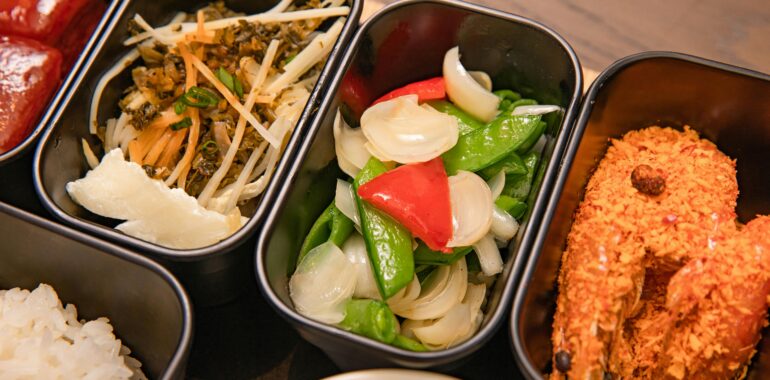
The Balanced Bento: 5 Healthy Lunchboxes for High-Performance Days
I mostly viewed “packed lunches” as a sad compromise—a soggy turkey sandwich or a plastic container of leftovers that I’d reluctantly eat at my desk while scrolling through emails. Previously, I assumed that the only way to get a “fresh” lunch was to buy it from a café, which usually meant overpaying for hidden sugars and inflammatory seed oils. It was easy to believe that the art of the Bento box was purely aesthetic, something reserved for food bloggers with too much time on their hands. Everything changed when I learned the “Bento Partition” rule. I discovered that the traditional Japanese layout isn’t just about looks; it’s a perfect psychological and biological blueprint for portion control. By dividing your meal into specific ratios of protein, fiber, and healthy fats, you create a portable “power meal” that prevents the mid-afternoon energy slump.
The goal of the “Healthy Bento” habit is to treat your lunch as a strategic recovery session. I love the “no-leak” efficiency of this setup. It’s the realization that when you prep a Bento, you are forced to include variety—which means more micronutrients and better gut health. When you stop throwning random snacks into a bag and start “building” your box with intent, you eliminate the decision fatigue that leads to poor food choices at 2:00 PM. These boxes are designed to be eaten cold or at room temperature, making them the ultimate tool for a busy, high-energy lifestyle.
The Bento Blueprint: The 4:2:1 Ratio
To keep your brain sharp and your blood sugar stable, every box should follow this nutritional structure:
- 4 Parts Fiber (The Bulk): Leafy greens, steamed broccoli, or crunchy radishes.
- 2 Parts Protein (The Muscle): Soft-boiled eggs, grilled chicken, or edamame.
- 1 Part Healthy Fat/Fuel (The Energy): Avocado, nuts, or a small portion of complex carbs like sweet potato.
1. The “Salmon & Seaweed” Vitality Box
A high-omega-3 box designed for brain focus and reduced inflammation.
Ingredients:
- 4 oz Salmon fillet
- 1 Large egg
- 1/2 cup Black Rice (dry measurement)
- 2 heads Baby Bok Choy
- 1/2 Cucumber
- Furikake seasoning
Instructions:
- Rice: Boil the black rice in a 2:1 water ratio for 25 minutes. Let it cool before packing.
- Salmon: Rub salmon with a drop of sesame oil and sear in a pan for 4 minutes per side. Let it chill.
- Egg: Boil an egg for 6.5 minutes for a “jammy” yolk. Peel and slice in half.
- Veggies: Steam the bok choy for 2 minutes and slice the cucumbers into rounds.
- Assemble: Arrange rice in the largest section, top with furikake, and nestle the salmon and egg next to the greens.
Personal Tip: Black rice (Forbidden Rice) is my Bento secret. Unlike white rice, it doesn’t get hard and “crumbly” when it’s cold. It stays chewy and nutty, and it has more antioxidants than blueberries!
2. The “Mediterranean Mezze” Box
A fiber-forward box that supports gut health with diverse plant proteins.
Ingredients:
- 1 can Chickpeas (rinsed and dried)
- 2 Tbsp Hummus
- 1/2 cup Cherry tomatoes
- 10 Kalamata olives
- 1/2 Bell pepper
- 1/2 cup Greek yogurt
- 1 tsp Dried dill
Instructions:
- Roast: Toss dried chickpeas with olive oil and salt. Bake at 204°C (400°F) for 20 minutes until crunchy.
- Dip: Mix the Greek yogurt with dill and a squeeze of lemon to make a high-protein Tzatziki.
- Prep: Slice the bell peppers into long strips for easy dipping.
- Assemble: Place the roasted chickpeas and olives in one section, the fresh veggies in another, and keep the hummus and Tzatziki in separate small tins.
Personal Tip: To keep your chickpeas from getting “mushy” in the box, pat them completely dry with a paper towel before roasting. I also tuck a sprig of fresh mint into the corner—it keeps the whole box smelling fresh until lunch.
3. The “Low-Carb Chicken Satay” Box
A metabolic-boosting box that focuses on lean protein and thermogenic spices.
Ingredients:
- 5 oz Chicken breast (cut into strips)
- 1/2 Purple cabbage (shredded)
- 1 Carrot (shredded)
- 1/2 cup Snap peas
- 2 Tbsp Almond butter
- 1 Tbsp Lime juice
- 1 tsp Fresh ginger
Instructions:
- Grill: Season chicken with salt and ginger powder. Grill or pan-sear until fully cooked.
- Slaw: Toss the shredded cabbage and carrots with 1 tsp of rice vinegar to keep them crisp.
- Sauce: Whisk almond butter, lime juice, and a splash of water until creamy.
- Assemble: Lay the chicken over the snap peas and keep the satay sauce in a separate, leak-proof container.
Personal Tip: Don’t pour the sauce over the chicken in the morning. Keep it separate! I also “pre-dress” the cabbage slaw with a little rice vinegar—it pickles the veggies slightly by lunch, making them easier to digest.
4. The “Vegetarian Umami” Box
A simple, high-protein plant-based option that hits all the savory notes.
Ingredients:
- 1 block Extra-firm tofu
- 1/2 cup Edamame (shelled)
- 2 small Sweet potatoes
- 1 bunch Spinach
- 1 Tbsp Coconut aminos
Instructions:
- Tofu: Press the tofu for 20 minutes, cube it, and toss with coconut aminos. Bake at 190°C (375°F) for 25 minutes.
- Potato: Cube the sweet potato and roast alongside the tofu until tender.
- Spinach: Sauté the spinach with a tiny bit of garlic until just wilted.
- Assemble: Divide the box between the tofu/edamame protein section and the roasted potato/spinach fiber section.
Personal Tip: Pressing your tofu is non-negotiable. It removes the excess water so it can soak up the coconut aminos like a sponge. It makes the tofu “meaty” and satisfying even when eaten cold.
5. The “Zesty Shrimp & Jicama” Box
The ultra-light, hydrating box for days when you have a heavy workout planned for later.
Ingredients:
- 8-10 Jumbo shrimp
- 1 cup Jicama
- 1/2 cup Snap peas
- 1/4 Avocado
- 1 Tbsp Spicy mustard
- 1 Fresh lime
Instructions:
- Shrimp: Poach shrimp in boiling water with a slice of lemon for 2-3 minutes. Immediately chill in ice water.
- Crunch: Peel the jicama and slice into thin “fries” or sticks.
- Avocado: Cube the avocado and toss immediately in lime juice to prevent it from browning.
- Assemble: Place the chilled shrimp in one corner with the mustard for dipping, and fill the rest with jicama and peas.
Personal Tip: Jicama is the MVP of this box—it has the crunch of an apple but the carb count of a leafy green. If you’re worried about the avocado, seal the surface with extra lime juice before closing the lid.
The Lunchbox as a Ritual
Building a Bento box is a small act of self-respect. It’s the difference between “getting by” and “fueling up.” When you use the Bento ratios, you ensure that you’re getting the fiber you need for digestion and the protein you need for mental clarity. This week, try the “Salmon & Seaweed” box. You’ll find that when your lunch is this organized and nutrient-dense, you don’t even crave the office snacks.
Final Tip: Invest in a high-quality glass or stainless steel Bento box. Plastic can hold onto smells and stain easily, but a glass box keeps your flavors “clean” and is much easier to sanitize!

I’m Brinley, and I believe in progress over perfection. My holistic journey started when I traded rigid fads for the 80/20 rule and nature-based remedies. I only share advice I’ve lived through—from botanical skincare that fixed my dry skin to easy kitchen hacks. I’m here to help you build a nourished life through small, intentional, and sustainable choices.