
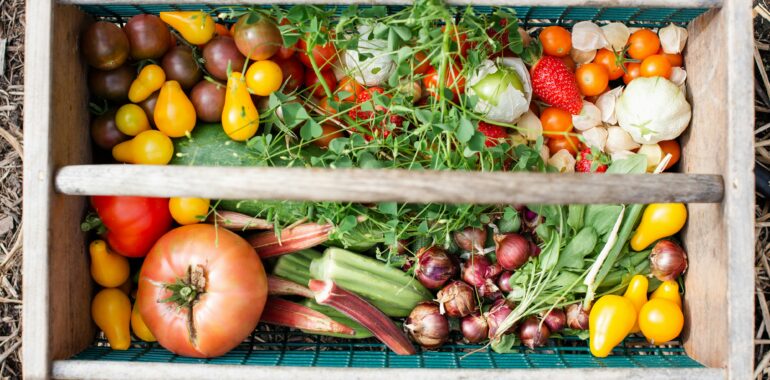
The February Harvest: Eating for Immunity and Vitality in the “Hidden” Season
I viewed February as the “produce desert”—that awkward gap between the hearty squashes of deep winter and the vibrant greens of early spring. Previously, I found myself wandering aimlessly through the grocery aisles, settling for flavorless strawberries flown in from thousands of miles away or limp bags of frozen peas. It was easy to believe that nothing “fresh” actually grew in the cold, and that I’d just have to wait until April to eat seasonally again. Everything changed when I learned about the “Peak Nutrient” window of winter produce. I discovered that February is actually a powerhouse month for specific roots, citrus, and cruciferous vegetables that are designed by nature to support our immune systems during the final stretch of winter.
The goal of eating seasonally in February is to lean into the foods that are at their most nutrient-dense right now. I love the “hibernation health” aspect of this month. It’s the realization that while the ground looks bare, there is an incredible amount of sweetness developing in cold-weather crops. When you choose produce that is in its natural peak, you get better flavor, higher vitamin content, and you usually save money because these items are in abundance. By matching specific February crops to your health goals—like using citrus for skin glow or roots for gut health—you can turn the “shortest month” into your healthiest one.
The February “Fix”: Why Seasonal Matters Now
In February, plants have been “struggling” against the cold, which actually makes them better for you.
- The “Sugar Snap”: Vegetables like carrots and parsnips convert their starches into sugars to prevent their cells from freezing. This makes February root vegetables the sweetest and most flavorful of the year.
- The Anthocyanin Boost: Cold weather deepens the pigments in foods like radicchio and blood oranges, increasing the levels of antioxidants that protect your cells from stress.
1. Citrus: The “Skin & Glow” Specialist
February is the true peak for “Boutique Citrus” like Blood Oranges, Meyer Lemons, and Pomelos.
- The Buy: Blood Oranges.
- The Fix: They are packed with Anthocyanins (the same antioxidants in blueberries), which aren’t found in regular oranges. These protect your skin from winter dryness and boost collagen.
- How to use: Use the juice for a “Liquid Glow” salad dressing or slice them thin with a sprinkle of sea salt for a mid-day energy hit.
Personal Tip: I always buy an extra bag of Meyer Lemons this month. They are a cross between a lemon and an orange—sweeter and more fragrant. I zest them into my morning yogurt to fight off the “winter blues” with their incredible scent.
2. Dark Leafy Greens: The “Immunity” Anchor
While everyone waits for spring kale, February is the best time for hardy greens like Swiss Chard and Collards.
- The Buy: Swiss Chard.
- The Fix: Chard is loaded with Vitamin K1, which is essential for bone health and blood clotting. It’s also a natural source of magnesium to help with winter-induced fatigue.
- How to use: Don’t throw away the stems! Chop the rainbow-colored stalks and sauté them like celery before adding the leaves.
Personal Tip: If you find chard too “earthy,” try the “Acid Flash” trick. Squeeze fresh lemon or a drop of apple cider vinegar over the leaves right after cooking. The acid cuts through the bitterness and makes the vitamins easier for your body to absorb.
3. Root Vegetables: The “Gut Health” Foundation
February is when Parpsnips, Rutabagas, and Sunchokes (Jerusalem Artichokes) shine.
- The Buy: Sunchokes.
- The Fix: These are one of the world’s best sources of Inulin, a prebiotic fiber that feeds the “good” bacteria in your gut.
- How to use: Roast them until they look like small, golden potatoes. They have a nutty, artichoke-like flavor.
Personal Tip: Start slow with sunchokes! Their fiber is so powerful they’ve earned the nickname “fartichokes” if you eat too many at once. Start with just two or three roasted pieces to let your gut get used to the prebiotic party.
4. The Cruciferous Elite: The “Metabolic” Boost
Brussels Sprouts and Broccoli are great, but February belongs to Romanesco and Purple Cauliflower.
- The Buy: Romanesco.
- The Fix: It looks like a fractal work of art and tastes like a mix of broccoli and toasted nuts. It’s high in Vitamin C to help you dodge the “February Cold.”
- How to use: Break into florets, toss with avocado oil and garlic, and air-fry until the tips are charred.
Turning the Page on Winter
February isn’t a “gap” month; it’s a bridge. When you eat what is currently growing, you align your body with the natural cycle of the planet. You get the sweetness of the frost-nipped roots and the vibrant hit of late-winter citrus. This week, skip the “permanent” grocery items and look for the odd-shaped sunchokes or the deep red blood oranges. Your body will feel the difference that fresh, seasonal nutrients make in your energy and your mood.
Final Tip: Visit a local farmer’s market even in February! Many farmers grow “high-tunnel” greens or have storage crops that have developed incredible flavor over the winter. It’s the best way to find the “hidden gems” of the season.

I’m Brinley, and I believe in progress over perfection. My holistic journey started when I traded rigid fads for the 80/20 rule and nature-based remedies. I only share advice I’ve lived through—from botanical skincare that fixed my dry skin to easy kitchen hacks. I’m here to help you build a nourished life through small, intentional, and sustainable choices.