
The Gluten-Free Standard: 3 “Cross-Contamination Safe” Meals for Digestive Resilience
I don’t personally have celiac disease, but I’ve seen firsthand through friends and family how challenging it can be to navigate a world full of hidden gluten. Previously, I assumed that “Gluten-Free” was synonymous with “Textureless” and that a safe meal for a guest required sacrificing flavor for safety. Everything changed when I looked into the “Innate-Grain” philosophy and the role of “Naturally-Cohesive” ingredients. I discovered that the most vibrant and satisfying meals aren’t the ones trying to mimic wheat, but those that utilize the “Natural-Integrity” of whole foods like quinoa, tubers, and lean proteins. By shifting my focus toward “Naturally-Gluten-Free” foundations, I realized I could help my friends feel included and safe at my table without anyone feeling deprived.
The goal of the Gluten-Free Standard is to move away from “Substitution-Stress” and toward Whole-Food Satiety. By understanding the science of gluten-free grains and the importance of a clean environment, I’ve been able to host dinner parties that support gut health for everyone. When I prioritize ingredients that are naturally free of gluten, I notice a direct impact on the energy levels of my guests and a total reduction in their post-meal discomfort.
The Science of the “Celiac-Safe” Plate
Why do naturally gluten-free whole foods outperform processed GF substitutes when you’re cooking for others? It’s about “Integrity” and “Nutrient-Density”:
- The Safety Signal: For those with celiac, even a “Micro-Dose” of gluten triggers an immune response. Utilizing “Naturally-Safe” starches like sweet potatoes or rice removes the guesswork and ensures your friends can focus on the conversation rather than their defense system.
- The Glycemic-Stability Factor: Many processed GF products use corn starch and tapioca, which cause sharp “Insulin-Spikes.” By using “Ancient-Grains” like buckwheat or millet, you provide a slow-release “Energy-Signal” that keeps the whole group focused and steady.
- The Micronutrient-Gap: Processed GF foods are often low in B-vitamins and fiber. By building your shared meals around “Vibrant-Greens” and “Clean-Proteins,” you fill the nutritional gaps often left by a standard restricted diet.
Naturally Gluten-Free Recipes for Sharing
1. The “Quinoa-Citrus” Salmon Bowl
- The Base: 1 cup Cooked Quinoa (The “Ancient-Grain” anchor), 5 oz Wild Salmon, 1/2 Avocado.
- The Dressing: Lemon juice, olive oil, and fresh dill.
- Instructions: Quinoa is naturally gluten-free and provides a complete “Amino-Acid” profile. Bake the salmon with lemon slices and serve over a bed of quinoa with the avocado for a “Lipid-Rich” finish.
2. The “Stuffed-Tuber” Turkey & Black Bean
- The Base: 1 Large Sweet Potato (The “Resistant-Starch” vessel), 4 oz Ground Turkey, 1/4 cup Black Beans.
- The Toppings: Fresh salsa and a dollop of Greek yogurt.
- Instructions: Roast the sweet potato until soft. Sauté the turkey with cumin and paprika—ensure your spices are “Certified GF”—and stuff the potato. This meal provides a massive “Fiber-Signal” without any risk of contamination.
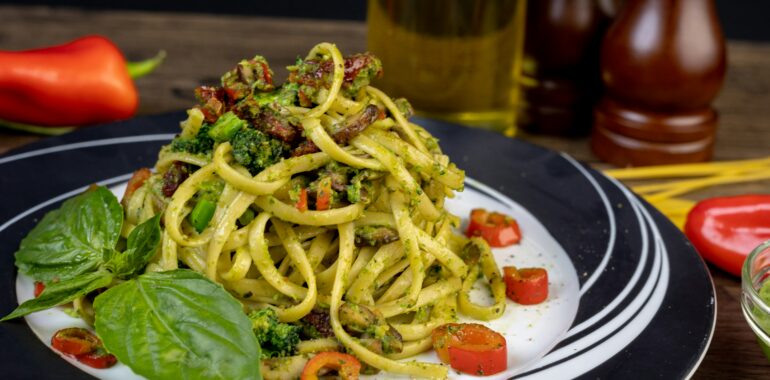
3. The “Zoodle-Pesto” Chicken Smash
- The Base: 2 Large Zucchinis (Spiralized into “Zoodles”), 6 oz Grilled Chicken Breast, 1/4 cup Pine Nuts.
- The Sauce: Homemade basil pesto (Basil, Garlic, Olive Oil, Parmesan).
- Instructions: Lightly sauté the zucchini noodles for 2 minutes—just enough to soften without losing their “Mechanical-Integrity.” Top with the chicken and pesto for a “Low-Inflammatory” Italian-style reset.
The “Host-Safe” Guardrails
- The “Hidden-Gluten” Search: Always check labels on soy sauce, salad dressings, and spice blends. I swap traditional soy sauce for Liquid Aminos or Tamari when cooking for friends to ensure a 100% “Gluten-Free Signal.”
- The “Cross-Contamination” Audit: I make sure to use clean stainless steel or silicone utensils. I avoid using wooden spoons that I’ve previously used with wheat pasta, as they can “Trap” gluten molecules in their porous surface.
- The “Clean-Surface” Rule: Before I start cooking for a celiac friend, I do a total “Reset” of my counters and cutting boards. Even a few crumbs from morning toast can trigger a reaction, so a thorough wipe-down is essential for safety.
Personal Tip: I’ve found that “Certified GF” labels are my best friend when shopping for others. It’s a “Zero-Friction” way to guarantee I’m being a supportive host without having to guess at complex ingredient lists!
My Take on Being a Supportive Cook
Learning how to cook safely for those with celiac disease has completely changed my perspective on hospitality. By focusing on “Naturally-Vibrant” ingredients rather than “Mimicry-Products,” I’ve moved away from the stress of “restricted” cooking. I’ve found that when I host meals built on a foundation of whole, unprocessed foods, everyone leaves the table feeling energized and respected. This week, I’m sticking with the Quinoa-Citrus Salmon Bowl—it’s the easiest way I’ve found to be a helpful friend while providing a high-performance meal that everyone can enjoy.
Final Tip: Focus on “Texture.” Since gluten provides elasticity, I like to add “Crunch-Signals” to my meals with toasted nuts or seeds. It makes the meal feel more “Substantial” and satisfying for everyone at the table!

I’m Brinley, and I believe in progress over perfection. My holistic journey started when I traded rigid fads for the 80/20 rule and nature-based remedies. I only share advice I’ve lived through—from botanical skincare that fixed my dry skin to easy kitchen hacks. I’m here to help you build a nourished life through small, intentional, and sustainable choices.