
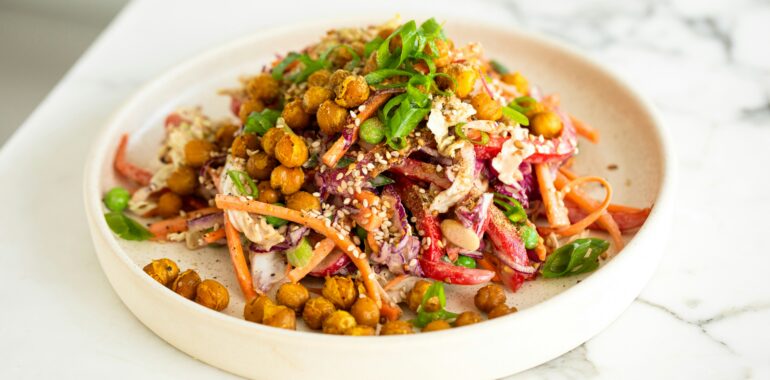
The Satiety Anchor: High-Volume Roasted Veggie & Chickpea Bowls
I viewed “veggie bowls” as a temporary fix—a light, high-fiber meal that looked great on a plate but left me searching the pantry for a “real” snack exactly sixty minutes later. I used to think that without a heavy grain base or a massive portion of meat, a bowl was just a “side dish” in disguise. My perspective shifted when I looked into the Glycemic Anchor Effect. I discovered that when you combine the “Maillard-Reaction” density of roasted cruciferous vegetables with the “Slow-Burn” starch of chickpeas, you create a structural meal that stabilizes your insulin and shuts down “food noise” for hours.
The goal of the Roasted Veggie & Chickpea Protocol is to move away from “steamed and bland” and toward Maillard-Rich Saturation. By roasting your components at high heat, you lock in the “Umami” signals that your brain associates with satisfaction. When you stop “assembling” and start “engineering” your bowls with healthy fats and fiber-dense textures, you support your Adrenal-Calm balance and ensure your Cognitive Clarity remains sharp throughout the afternoon.
The Science of the “Crispy-Chickpea” Signal
Why does roasting change the biological impact of your bowl? It’s about “Mechanical Satiety”:
- The Maillard-Reaction Satiety: Roasting creates “Advanced Glycation End-products” (in a healthy, controlled way) that provide a complex flavor profile. This “Umami-Signal” tells the brain that the meal is “Complete,” preventing the post-meal search for sweets.
- Fiber-Mesh Integrity: Unlike boiling, roasting preserves the “Cellular Lattice” of the vegetables. This requires more chewing, which triggers the release of lingual lipases and gastric hormones that signal “Fullness” to the hypothalamus.
- The “Slow-Starch” Buffer: Chickpeas have a low Glycemic Index (GI). When roasted with a “Fat-Anchor” (like olive oil), their starch becomes even more resistant, feeding your gut microbiome rather than spiking your blood sugar.
The “Mediterranean-Reset” Bowl
A bright, high-polyphenol bowl for internal flow and skin glow.
Ingredients:
- 1 can Chickpeas (Patted bone-dry)
- 2 cups Cauliflower florets
- 1 Red Onion (Wedged)
- The Anchor: 2 Tbsp Extra Virgin Olive Oil + 1 tsp Dried Oregano
- The Finish: 1/4 cup Feta cheese + 1 Tbsp Lemon juice
- Calories: 385 kcal
Instructions:
- The Prep: Toss chickpeas, cauliflower, and onion in the oil and oregano on a large sheet pan.
- The Roast: Bake at 200°C (400°F) for 25–30 minutes until the cauliflower edges are “Char-Dark.”
- The Assembly: Transfer to a bowl and top with feta and lemon.
Personal Tip: Dry your chickpeas with a paper towel until they are “Desert-Dry” before oiling. This is the only way to get that “Proteinic Crunch” that mimics a crouton without the refined flour.
The “Metabolic-Firing” Harissa Bowl
A spicy, thermogenic prototype to wake up the system.
Ingredients:
- 1 can Chickpeas
- 2 large Sweet Potatoes (Cubed)
- 3 cups Kale (Massaged)
- The Anchor: 1 Tbsp Harissa paste + 1 Tbsp Avocado oil
- The Finish: A dollop of Greek Yogurt (The “Protein-Coolant”)
- Calories: 410 kcal
Instructions:
- The Coat: Whisk the harissa and oil together, then toss with the sweet potatoes and chickpeas.
- The Roast: Roast at 200°C (400°F) for 30 minutes.
- The Wilt: Toss the kale onto the hot pan for the final 2 minutes of roasting just to “Flash-Softener” the fibers.
Personal Tip: The capsaicin in the harissa provides a “Neural-Spark” that increases your metabolic rate for 2–3 hours after eating. It’s the ultimate “Mid-Day Wakeup” meal.
The “Deep-Green” Pesto & Broccoli Bowl
A chlorophyll-dense anchor for liver support and internal cleaning.
Ingredients:
- 1 can Chickpeas
- 4 cups Broccoli florets (The “Sulforaphane Source”)
- 1/2 cup Frozen Peas (for a “Vitamin-K” hit)
- The Anchor: 2 Tbsp Basil Pesto (Clean-oil based)
- The Finish: Toasted Sunflower seeds
- Calories: 395 kcal
Instructions:
- The High-Heat: Roast the broccoli and chickpeas at 220°C (425°F) for 20 minutes. High heat releases the “Bound Antioxidants” in the broccoli.
- The Toss: While hot, toss everything in the pesto and add the frozen peas (the residual heat will thaw them perfectly).
Personal Tip: Broccoli stalks are the “Fiber-Gold.” Don’t throw them away! Slice them into “coins” and roast them along with the florets for extra “Internal-Scrubbing” power.
The “Umami-Rich” Miso & Mushroom Bowl
A savory, B-vitamin powerhouse for cognitive margin and stress resilience.
Ingredients:
- 1 can Chickpeas
- 3 cups Cremini Mushrooms (Halved)
- 1 head of Bok Choy (Sliced)
- The Anchor: 1 Tbsp Miso paste + 1 Tbsp Sesame oil
- The Finish: A sprinkle of Furikake or Sesame seeds
- Calories: 360 kcal
Instructions:
- The Glaze: Thin the miso paste with a splash of hot water and sesame oil.
- The Roast: Coat the chickpeas and mushrooms in the glaze and roast at 200°C (400°F) for 25 minutes.
- The Assembly: Serve over the bok choy, which will slightly soften under the heat of the roasted components.
Personal Tip: Mushrooms contain “Ergothioneine,” a unique antioxidant that specifically protects the mitochondria in your brain cells. I call this the “Neural-Shield” bowl.
The “Golden-Glow” Turmeric & Carrot Bowl
An anti-inflammatory prototype for joint health and “Skin-Lustre.”
Ingredients:
- 1 can Chickpeas
- 4 large Carrots (Sliced into batons)
- 1 cup Red Cabbage (Shredded)
- The Anchor: 1 tsp Turmeric + 1/2 tsp Ginger + 1 Tbsp Coconut oil
- The Finish: Fresh Cilantro + a squeeze of Lime
- Calories: 345 kcal
Instructions:
- The Spice-Seal: Melt the coconut oil and stir in the turmeric and ginger before tossing with the carrots and chickpeas.
- The Roast: Roast at 200°C (400°F) for 30 minutes until the carrots are “Honey-Soft.”
- The Crunch: Serve over raw red cabbage for a “Phyto-Signal” contrast.
Personal Tip: The fat in the coconut oil is mandatory here. Turmeric’s “Curcumin” is fat-soluble; without that “Lipid-Anchor,” you won’t absorb the anti-inflammatory benefits.
The “Veggie-Bowl” Guardrails
- The “Sheet-Pan Space” Rule: If you crowd your vegetables, they will steam. If they steam, you lose the “Maillard-Signal” and the meal won’t be as satiating. Use two pans if necessary to ensure every chickpea has “Personal Space.”
- The “Acid-Finish”: Always finish your bowl with a squeeze of citrus or a splash of vinegar. The “Acid-Hit” brightens the fats and helps break down the plant-based proteins for easier “Internal Flow.”
- The “Texture-Trinity”: A perfect bowl needs three things:
- The Soft (Roasted veggies)
- The Crunch (Crispy chickpeas/seeds)
- The Cream (Yogurt/Avocado/Pesto).
This variety prevents “Flavor-Boredom” and keeps you engaged with the meal.
Mastering the Structural Bowl
Roasting your way to a vegetable-forward lifestyle is an act of Biological Sovereignty. By prioritizing “Maillard-Reaction” intensity and “Fiber-Anchored” starches, you move from a state of “Digestive Heaviness” to a state of Functional Vitality. You’ll find that when your lunch or dinner is built on this “Slow-Burn” foundation, your Brain Fog clears and your energy returns to a steady, sharp baseline. This week, try the “Mediterranean-Reset” Bowl—it’s the fastest way to realize that your most “Voluminous” meal can be your most “Performance-Focused” one.
Final Tip: Make a “Double-Batch” of chickpeas. They stay crispy for about 24 hours and make the perfect “Grab-and-Go” protein anchor for a busy morning!
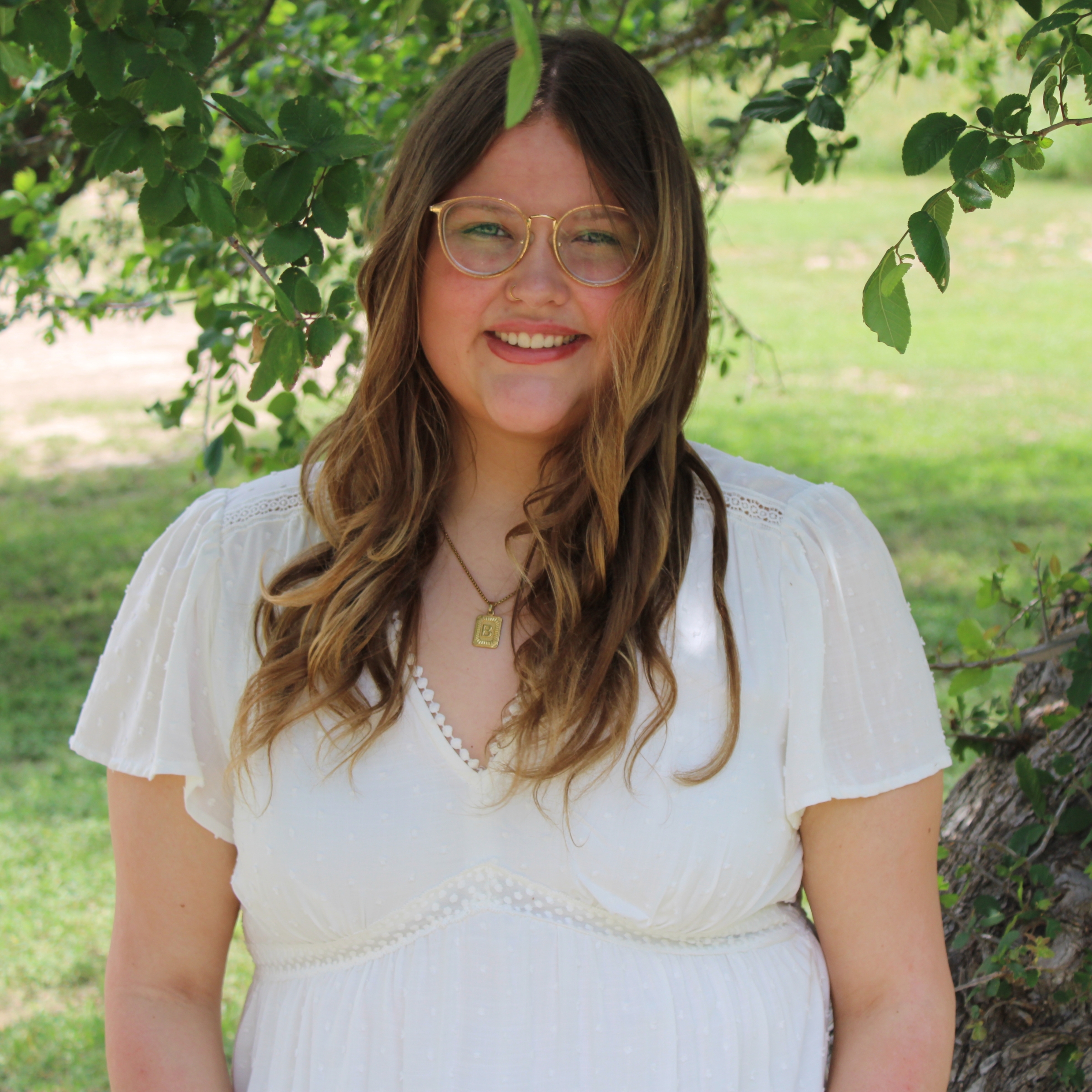
I’m Brinley, and I believe in progress over perfection. My holistic journey started when I traded rigid fads for the 80/20 rule and nature-based remedies. I only share advice I’ve lived through—from botanical skincare that fixed my dry skin to easy kitchen hacks. I’m here to help you build a nourished life through small, intentional, and sustainable choices.