Skin Recovery Cycles: Why Healing Takes Longer Than You Think
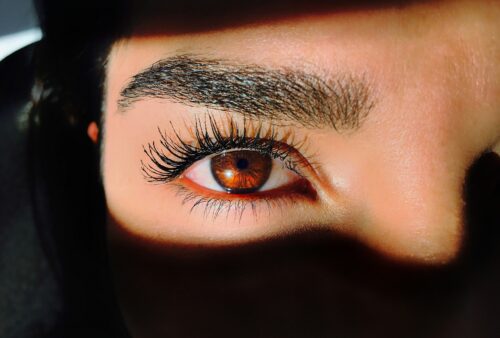
I viewed my skin as a fast-acting, reactive surface—an organ that should “fix” itself within forty-eight hours of a breakout or a new product application. Previously, I assumed
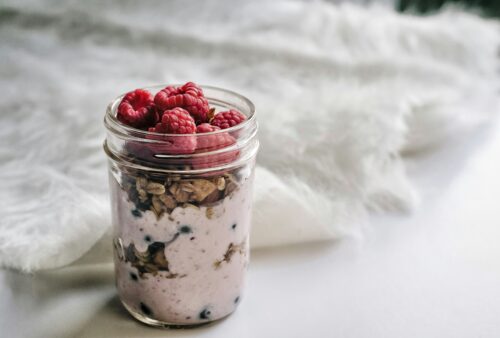
I viewed breakfast as a race to the bottom—a quick hit of refined carbs and caffeine that gave me a 45-minute “high” followed by a crushing 11:00 AM
For a significant period, I viewed cardio as a sterile, indoor necessity—a repetitive trudge on a motorized belt while staring at a screen. Previously, I assumed that the
For a significant period, I viewed Valentine’s Day dinner as a mandatory “food coma” event—a night defined by heavy, butter-laden steakhouse meals and sugary desserts that left me
For a significant period, I viewed my itchy, flaky scalp as a personal failing—a stubborn cosmetic embarrassment that I tried to “wash away” with increasingly aggressive, floral-scented drugstore
I mostly viewed “packed lunches” as a sad compromise—a soggy turkey sandwich or a plastic container of leftovers that I’d reluctantly eat at my desk while scrolling through
For a long time, I viewed hydration as a simple volume game—a chore that involved chugging a massive bottle of room-temperature water twice a day just to hit
For a long time, I viewed ramen as the ultimate “emergency meal”—a comforting but nutritionally empty bowl of refined flour and a sodium-packed seasoning packet that left me
For a significant period, I viewed “mobility” as the boring cousin of exercise—a slow, tedious stretching routine that I could easily skip in favor of more “productive” calorie-burning
For a significant period, I viewed the post-meal “food baby” as an unavoidable tax on eating—the uncomfortable tightness and distension that seemed to follow every dinner regardless of