
Budget-Friendly Healthy Meals That Don’t Feel Like a Compromise
Eating well and eating cheaply are often treated as opposites, largely because the marketing around healthy eating leans so heavily on specialty ingredients and pre-packaged convenience items that carry a premium price tag. In reality, some of the most nutritionally solid ingredients — beans, eggs, oats, canned fish, frozen vegetables — are also among the least expensive items in any grocery store. Budget-friendly healthy meals aren’t about eating less well; they’re about building meals around ingredients that were always both affordable and nutritious, before marketing convinced people otherwise.
Below are five budget-friendly healthy meals, each built around inexpensive staples, designed to prove that eating well doesn’t require an expensive grocery cart.
Why These Ingredients Work for Both Health and Budget
Dried and canned beans, eggs, oats, frozen vegetables, and canned fish like tuna or salmon share two things in common: they’re consistently among the cheapest sources of protein and nutrients per serving, and they have a long shelf life that reduces food waste, which is itself a hidden cost in a lot of grocery budgets. Building meals around these staples, rather than fresher, pricier specialty items, tends to produce meals that are both more affordable and, often, no less nutritious.
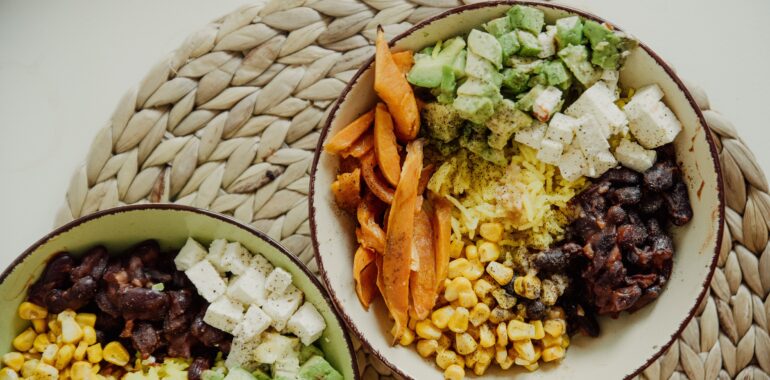
1. Black Bean and Rice Bowls
A filling, protein-and-fiber-rich meal built almost entirely from pantry staples.
Ingredients (serves 4):
- 2 cans (15 oz each) black beans, drained and rinsed
- 2 cups cooked rice
- 1 onion, diced
- 2 cloves garlic, minced
- 1 tsp cumin
- 1 tsp chili powder
- 2 tbsp olive oil
- Salt and pepper to taste
Instructions:
- Heat olive oil in a skillet over medium heat and sauté the onion and garlic for 3–4 minutes.
- Add the black beans, cumin, and chili powder, stirring to combine. Cook for 5–6 minutes, mashing some of the beans slightly for a thicker texture.
- Serve over cooked rice, seasoning with salt and pepper to taste.
- Top with any inexpensive extras on hand, like shredded cheese, salsa, or a fried egg.
2. Baked Eggs with Spinach and Toast
A budget breakfast-for-dinner option that delivers real protein for a fraction of the cost of most breakfast-out options.
Ingredients (serves 4):
- 8 eggs
- 4 cups fresh or frozen spinach
- 2 cloves garlic, minced
- 1 tbsp olive oil
- 4 slices whole wheat bread, toasted
- Salt and pepper to taste
Instructions:
- Preheat oven to 375°F (190°C). Heat olive oil in an oven-safe skillet over medium heat and sauté the garlic and spinach until wilted, about 3–4 minutes.
- Create small wells in the spinach and crack the eggs into them.
- Transfer the skillet to the oven and bake for 8–10 minutes, until the whites are set and yolks are still soft.
- Season with salt and pepper and serve over toasted bread.
3. Lentil Soup
One of the least expensive sources of plant-based protein and fiber available, lentils cook quickly and require no soaking, unlike most other dried legumes.
Ingredients (serves 4–6):
- 1.5 cups dried lentils, rinsed
- 6 cups vegetable or chicken broth
- 2 carrots, diced
- 2 celery stalks, diced
- 1 onion, diced
- 2 cloves garlic, minced
- 1 tsp cumin
- Salt and pepper to taste
Instructions:
- Sauté the onion, carrots, celery, and garlic in a large pot over medium heat for 5 minutes.
- Add the lentils, broth, and cumin. Bring to a boil, then reduce to a simmer.
- Cook for 25–30 minutes, until the lentils are tender.
- Season with salt and pepper before serving.
4. Tuna and White Bean Salad
A no-cook option built on two of the more affordable protein sources in any grocery store.
Ingredients (serves 4):
- 2 cans tuna, drained
- 1 can (15 oz) white beans, drained and rinsed
- 1/2 cup diced celery
- 1/4 cup diced red onion
- 2 tbsp olive oil
- 1 tbsp lemon juice
- Salt and pepper to taste
Instructions:
- Combine the tuna, white beans, celery, and red onion in a bowl.
- Whisk together the olive oil, lemon juice, salt, and pepper.
- Toss the salad with the dressing until evenly coated.
- Serve on its own, over greens, or with crackers.
5. Baked Oatmeal with Frozen Fruit
A make-ahead breakfast that stretches a bag of oats into several servings, using frozen fruit, which is typically cheaper than fresh and just as nutritious.
Ingredients (serves 6):
- 2 cups rolled oats
- 2 cups milk
- 2 eggs
- 2 tbsp honey or maple syrup
- 1 tsp cinnamon
- 1.5 cups frozen berries or diced fruit
Instructions:
- Preheat oven to 350°F (175°C) and grease a baking dish.
- Whisk together the milk, eggs, honey, and cinnamon.
- Stir in the oats and pour into the prepared baking dish. Top with frozen fruit.
- Bake for 35–40 minutes, until set and lightly golden on top. Slice into portions for the week.
Tips for Eating Well on a Budget
Buy dried beans and grains in bulk when possible. Dried versions of beans, rice, and oats are almost always cheaper per serving than canned or pre-packaged alternatives, and store well for months.
Don’t overlook frozen vegetables and fruit. Frozen produce is flash-frozen at peak ripeness, often retaining comparable nutrient content to fresh produce, at a lower and more stable price point.
Plan meals around what’s on sale. Building the week’s menu around discounted proteins or produce, rather than a fixed recipe list, can meaningfully lower the grocery bill.
Cook in bulk and repurpose. A large pot of beans, rice, or lentils can be repurposed across several meals throughout the week, stretching the cost of ingredients further.
Switching the weekly grocery list to prioritize dried beans, eggs, and frozen vegetables over pre-packaged convenience foods cut the monthly grocery total noticeably, without any real sacrifice in how the meals actually tasted.
Storing and Meal Prepping
Most of these meals store and reheat well, making them strong candidates for batch cooking. Lentil soup and black bean and rice bowls both keep for 4–5 days in the refrigerator and freeze well for longer storage, which further stretches the value of a single batch of ingredients.
Frequently Asked Questions
Are canned beans as nutritious as dried beans? Yes, canned beans retain most of the nutritional value of dried beans, though rinsing them before use helps reduce added sodium from the canning liquid.
Is frozen produce really as healthy as fresh? In many cases, yes — frozen fruits and vegetables are typically processed shortly after harvest, which can preserve nutrients that might otherwise degrade during the longer transport and storage time of some fresh produce.
How can I stretch a limited grocery budget further? Building meals around a few versatile, inexpensive staples — beans, eggs, oats, rice — and buying in bulk when possible tends to have a bigger impact than searching for individual discount deals on more expensive specialty items.
Budget-friendly healthy meals prove that eating well and spending less aren’t actually in conflict — they just require building around the ingredients that have quietly always been both affordable and nutritious.

I’m Brinley, and I believe in progress over perfection. My holistic journey started when I traded rigid fads for the 80/20 rule and nature-based remedies. I only share advice I’ve lived through—from botanical skincare that fixed my dry skin to easy kitchen hacks. I’m here to help you build a nourished life through small, intentional, and sustainable choices.