The Chromatic Shift: Using Makeup Pigments as Emotional Architecture
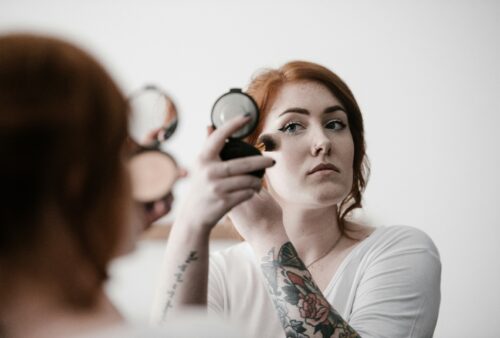
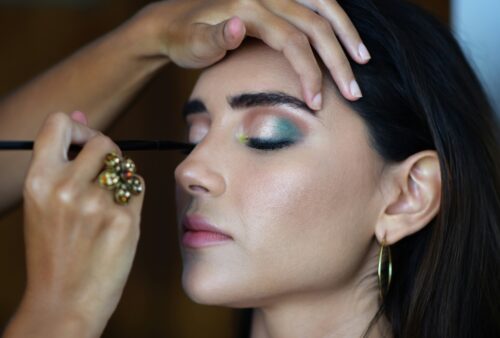
I viewed my makeup routine as a purely functional “cover-up” session—a way to disguise fatigue, mask a breakout, or simply look “presentable” for the demands of the day.
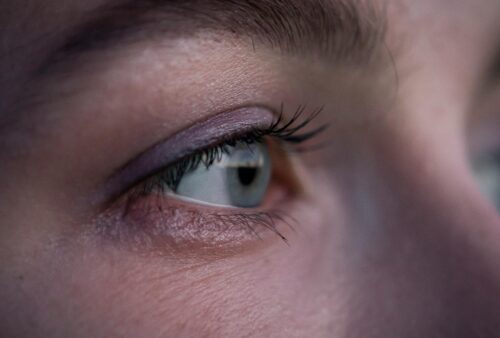
For a long time, I viewed long, voluminous lashes as a product of expensive “chemical” interventions—a trade-off where I sacrificed my eye health for the sake of a
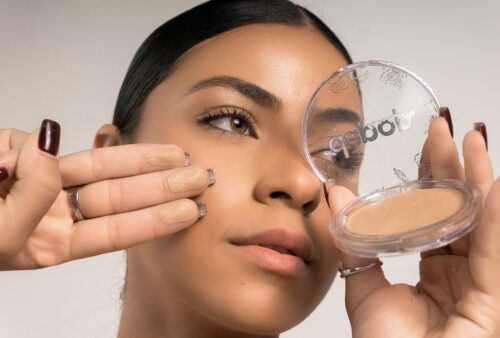
In my earlier days of makeup exploration, I viewed foundation as a simple exercise in choosing the right “depth”—a matter of picking a bottle that looked roughly as
In my earlier years of skincare, I viewed darker patches under my arms or on my inner thighs as a sign of “poor hygiene”—a stubborn discoloration that I
For a significant period, I viewed my itchy, flaky scalp as a personal failing—a stubborn cosmetic embarrassment that I tried to “wash away” with increasingly aggressive, floral-scented drugstore
I viewed perfume as the invisible “final touch” of my morning routine—a quick spritz of a designer bottle that I thought made me feel polished and prepared. Previously,
For a long time, I treated my hair and my scalp as the same thing—applying heavy conditioners from root to tip and wondering why my hair looked greasy
There is a common misconception that makeup is a “one-size-fits-all” solution that works the same way regardless of the canvas. Previously, I watched tutorials from creators with vastly
There is nothing quite as frustrating as spending twenty minutes on your makeup, only to look in the mirror two hours later and see “cracking” foundation. In the
This is the ultimate challenge for clean beauty skeptics. I’ve spent a lot of time hearing that clean makeup is only for “no-makeup makeup” days or that it