The Surface Architecture: Navigating the Geometry of Modern Beauty Blenders
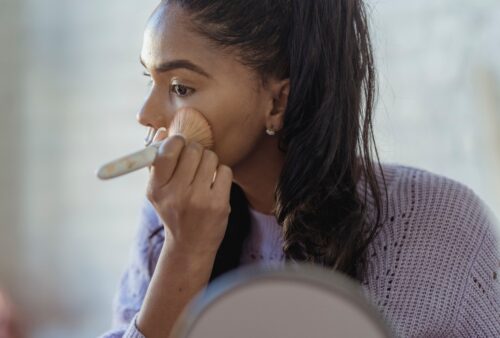
The way we manipulate product across the skin’s surface is often the deciding factor between a finish that looks like a second skin and one that looks like
My relationship with my skincare and makeup routine underwent a massive “Systemic-Shift” the moment I stopped viewing my face as a blank canvas and started seeing it as
Navigating the cosmetics aisle often feels like a “Moral-Maze”—a saturated landscape of “Green-Washed” marketing and ambiguous claims that make it difficult to identify products aligned with Biological Ethics.
I used to view Vaseline as a “Basic-Barrier”—a thick, medicinal ointment reserved for cracked heels or winter-chapped lips that had no business near a sophisticated makeup kit. It
I viewed wearing perfume as a “Surface-Level Spray”—a quick mist over my clothes or a random cloud in the air that I would walk through, hoping the scent
At 22, I’m currently in the “prime-grip” phase of my skin—where my face can basically handle any formula I throw at it without a structural collapse. But as
I viewed SPF in makeup as a “bonus feature”—a nice-to-have addition that gave me a false sense of security while I went about my day. I used to
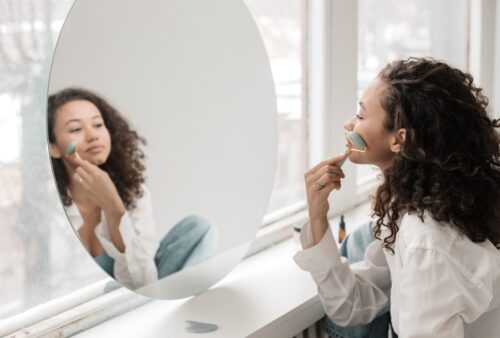
I viewed makeup application as a purely aesthetic ritual—a surface-level task involving light brushes and sponges that, while effective for coverage, did absolutely nothing for the underlying tension
I viewed my makeup routine as a purely functional “cover-up” session—a way to disguise fatigue, mask a breakout, or simply look “presentable” for the demands of the day.
For a long time, I viewed long, voluminous lashes as a product of expensive “chemical” interventions—a trade-off where I sacrificed my eye health for the sake of a