
Strength Training for Beginners: Everything You Wish Someone Told You Sooner
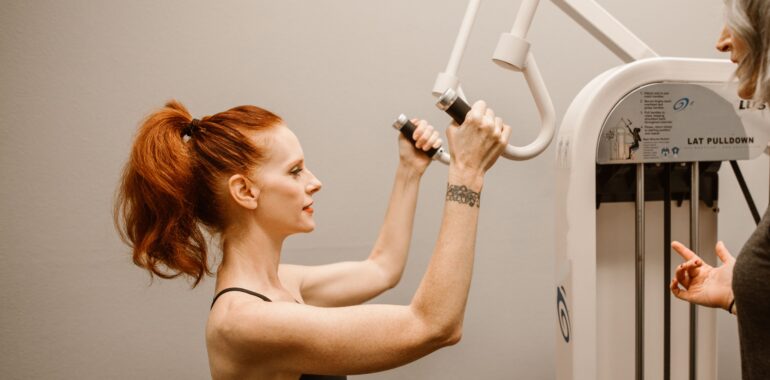
Walking into a gym for the first time and heading toward the weight room can feel intimidating in a way that’s hard to explain to someone who’s already comfortable there. Everyone else seems to know exactly what they’re doing, the equipment looks vaguely like medieval machinery, and there’s a nagging fear of doing something wrong in front of an audience that, in reality, is far too focused on their own workout to notice. Strength training for beginners doesn’t have to start there, though — with a basic understanding of the fundamentals, it becomes a lot less mysterious and a lot more approachable.
Why Strength Training Matters
Strength training, sometimes called resistance training, involves working muscles against some form of resistance — weights, resistance bands, or your own body weight — to build muscle strength and size over time. Beyond the visible changes, research consistently links regular strength training to improved bone density, better metabolic health, reduced injury risk in daily life, and, notably, preserved muscle mass as people age, which becomes increasingly important for maintaining independence and mobility later in life.
The Core Principles Every Beginner Should Understand
Progressive overload. Muscles adapt to the demands placed on them, which means gradually increasing weight, reps, or sets over time is what drives continued progress. Lifting the same weight for the same reps indefinitely will build a baseline of strength but will eventually plateau without some form of progression.
Form before weight. Learning correct movement patterns with lighter weight is more valuable early on than lifting heavy with poor technique. Not only does poor form increase injury risk, it also often means the intended muscles aren’t being worked effectively in the first place.
Recovery is part of the process. Muscles don’t get stronger during a workout itself — they adapt and rebuild during the recovery period afterward. This is part of why rest days and adequate sleep are just as important to progress as the workouts themselves, not simply time off from training.
A Sample Beginner Strength Training Program
A well-rounded beginner program typically covers the whole body two to three times per week, focusing on foundational compound movements — exercises that work multiple muscle groups at once — before adding more isolated exercises.
Day 1: Full Body
- Squats: 3 sets of 8–10 reps
- Push-ups (or bench press): 3 sets of 8–10 reps
- Bent-over rows: 3 sets of 8–10 reps
- Plank: 3 sets, hold 20–30 seconds
Day 2: Rest or light activity (walking, stretching)
Day 3: Full Body
- Deadlifts (with light weight to start): 3 sets of 8–10 reps
- Overhead press: 3 sets of 8–10 reps
- Lat pulldowns or assisted pull-ups: 3 sets of 8–10 reps
- Glute bridges: 3 sets of 10–12 reps
Day 4: Rest or light activity
Day 5: Full Body
- Lunges: 3 sets of 8–10 reps per leg
- Dumbbell chest press: 3 sets of 8–10 reps
- Seated cable rows: 3 sets of 8–10 reps
- Side planks: 3 sets, hold 20 seconds per side
This structure hits every major muscle group multiple times per week, which research suggests is generally more effective for beginners than splitting workouts by individual muscle group, a strategy better suited to more advanced lifters.
Common Mistakes Beginners Make
Starting with weight that’s too heavy. It’s tempting to want to lift what looks impressive, but starting lighter and focusing on form allows the body to learn correct movement patterns before adding significant load, which pays off in both safety and long-term progress.
Skipping the warm-up. A few minutes of light cardio and dynamic stretching before lifting increases blood flow to muscles and prepares joints for the demands of the workout, reducing injury risk.
Training the same muscles every single day without rest. Muscles need recovery time to rebuild and grow stronger — training the same muscle group daily without adequate rest can actually impede progress rather than accelerate it.
Comparing progress to others. Strength gains vary significantly based on individual factors like training history, body composition, and genetics. Comparing your week-one numbers to someone else’s year-three numbers is a reliable way to feel discouraged for no good reason.
Neglecting nutrition and sleep. Strength training creates the stimulus for muscle growth, but adequate protein intake and sleep are what actually allow that growth to happen. Skipping either significantly blunts the results of consistent training.
How Much Weight Should Beginners Start With?
A reasonable starting point is a weight that feels challenging by the last two reps of a set of 8–10, while still allowing correct form throughout. If the last few reps feel easy, the weight is probably too light; if form starts breaking down well before the target rep count, it’s too heavy. This will vary significantly by exercise and individual, which is why starting conservatively and adjusting after the first few sessions works better than guessing based on what looks impressive.
How Often Should Beginners Train?
Two to three full-body sessions per week, with at least one rest day between sessions targeting the same muscle groups, is generally considered a solid starting frequency. This allows enough recovery time between sessions while still providing the consistent stimulus needed to build strength, without overwhelming a beginner’s schedule or recovery capacity.
Walking into the weight room for the first workout felt like the hardest part of the entire process — genuinely more intimidating than any individual exercise turned out to be once the actual lifting started, and that nervousness faded almost entirely after the first couple of sessions.
Frequently Asked Questions
Will strength training make me bulky? For most people, especially without a specific high-calorie, high-volume training approach designed for significant muscle gain, strength training builds a toned, functional physique rather than significant bulk, which typically requires years of dedicated training and eating specifically to support it.
How long until I see results from strength training? Neurological adaptations, like improved coordination and motor unit recruitment, often produce noticeable strength gains within the first few weeks, while visible changes in muscle size typically take longer, often 8–12 weeks of consistent training.
Do I need a gym membership to start strength training? No — bodyweight exercises, resistance bands, and even household items can provide sufficient resistance for a beginner program. A gym offers more equipment variety, but it’s not a requirement for getting started.
The Bottom Line
Strength training for beginners doesn’t require perfect knowledge from day one — it requires starting with manageable weight, prioritizing form, allowing for recovery, and progressively increasing the challenge over time. The intimidation factor tends to fade quickly once the basic principles click, and the long-term benefits, from bone density to daily functional strength, make it one of the more worthwhile habits to build early rather than putting off.

I’m Brinley, and I believe in progress over perfection. My holistic journey started when I traded rigid fads for the 80/20 rule and nature-based remedies. I only share advice I’ve lived through—from botanical skincare that fixed my dry skin to easy kitchen hacks. I’m here to help you build a nourished life through small, intentional, and sustainable choices.