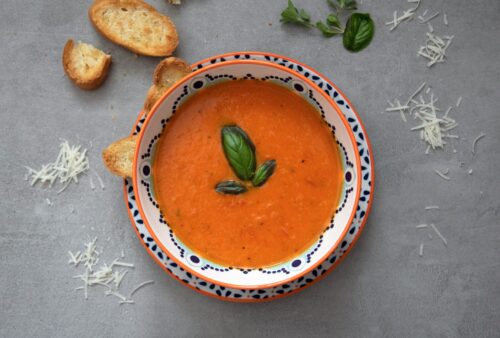
The High-Clarity Kitchen: Mastering Flavor Without the Heavy Fats
In the past, I viewed “low-fat” cooking as a joyless endeavor—a bland landscape of steamed, unseasoned vegetables and dry, chalky proteins that felt more like a medical prescription
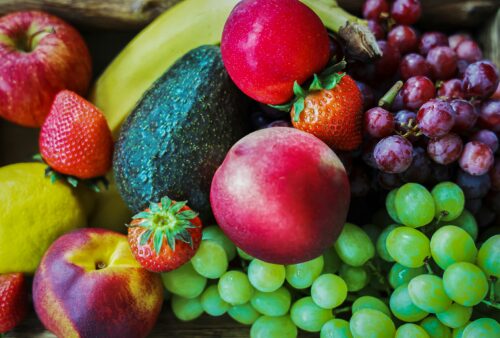
In my earlier days of cooking, I viewed fruit as a strictly segregated food group—a standalone snack or a sugary topper reserved exclusively for desserts and breakfast bowls.
When I first dined out at Chipotle, I viewed most of the food as a caloric “trap”—a mountain of white rice, heavy sour cream, and flour tortillas that
In my earlier days of “healthy eating,” I viewed the lettuce wrap as a sad, floppy consolation prize—a desperate attempt to replace a burger bun that usually ended
For a significant period, I viewed Mexican food as a “heavy” indulgence—a landscape of deep-fried tortilla chips, oily cheeses, and refined flour shells that left me feeling lethargic
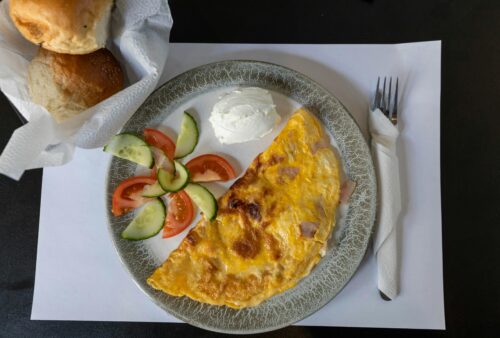
I viewed the omelet as a greasy “diner staple”—a rubbery yellow envelope stuffed with processed ham and oily cheddar that left me feeling heavy and ready for a
I viewed breakfast as a race to the bottom—a quick hit of refined carbs and caffeine that gave me a 45-minute “high” followed by a crushing 11:00 AM
For a significant period, I viewed Valentine’s Day dinner as a mandatory “food coma” event—a night defined by heavy, butter-laden steakhouse meals and sugary desserts that left me
I mostly viewed “packed lunches” as a sad compromise—a soggy turkey sandwich or a plastic container of leftovers that I’d reluctantly eat at my desk while scrolling through
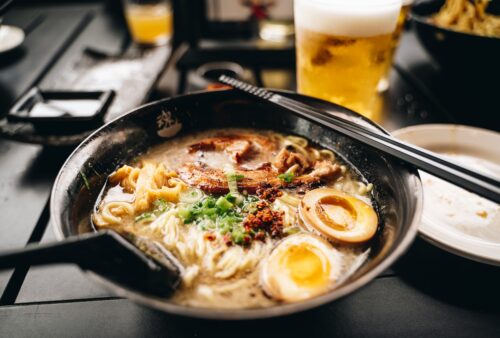
For a long time, I viewed ramen as the ultimate “emergency meal”—a comforting but nutritionally empty bowl of refined flour and a sodium-packed seasoning packet that left me