
The Blue Zone Blueprint: How to Cook for a Vibrant, Longer Life At Home
In an era dominated by hyper-processed convenience foods, conflicting dietary fads, and shifting nutritional advice, a quiet revolution is happening in the world of wellness. Instead of looking forward toward complex laboratory supplements or restrictive modern diets, health-conscious individuals are looking backward—and outward—to the longest-lived populations on the planet.
These geographic regions are known as the Blue Zones. Coined and thoroughly researched by explorer and author Dan Buettner, the Blue Zones identify five specific pockets of the globe where people consistently live vibrant, active lives well into their 90s and 100s, often free from chronic degenerative diseases. These regions include:
- Okinawa, Japan: Home to the world’s longest-lived women, where a philosophy of eating until 80% full rules the table.
- Sardinia, Italy: A mountainous Mediterranean island where shepherds consume a robust, plant-forward diet alongside local red wine.
- Nicoya Peninsula, Costa Rica: Where centenarians fuel their mornings with the ancient Mesoamerican agricultural staple known as the “Three Sisters.”
- Icaria, Greece: A sun-drenched Aegean island where a distinct variation of the Mediterranean diet completely eliminates modern cardiovascular slumps.
- Loma Linda, California: A community of Seventh-day Adventists whose faith-driven, vegetarian lifestyle grants them an extra decade of health compared to their neighbors.
While these communities are separated by vast oceans, languages, and cultures, their kitchens reveal a striking, mathematically consistent harmony. They don’t count calories, track macronutrient splits, or obsess over dietary labels. Instead, they rely on a shared foundation of whole-food, plant-forward cooking. Here is the science behind Blue Zone longevity, paired with three traditional recipes to bring the magic of these regions into your home kitchen.
The Longevity Matrix: The Core Pillars of Blue Zone Eating
To recreate Blue Zone recipes effectively, you must understand the foundational “rules” that govern their plates. It is not about deprivation; it is about shifting your primary food sources:
1. The 95% Plant Rule
Across all five Blue Zones, meat is treated as a celebratory condiment or a subtle flavor enhancer rather than the main event of a meal. Roughly 95% of their total dietary intake comes from whole, unprocessed plant foods—specifically vegetables, wild greens, tubers, nuts, and whole grains.
2. The Power of the Humble Bean
If you want to know the ultimate longevity superfood, look no further than the bean container. Centenarians in the Blue Zones eat, on average, a half-cup to a full cup of beans every single day. Whether it is black beans in Costa Rica, garbanzo beans in Sardinia, or soybeans in Okinawa, legumes provide a masterful matrix of clean plant-based protein, complex carbohydrates, and soluble dietary fiber that stabilizes blood sugar and cultivates a highly diverse gut microbiome.
3. Sourcing Complex, Traditional Grains
Blue Zone kitchens reject highly processed white flours. Instead, they embrace ancient, complex grains like sourdough (which undergoes a long fermentation process that lowers its glycemic index and breaks down gluten proteins), barley, farro, and brown rice.
Three Traditional Longevity Recipes to Make at Home
1. The Sardinian Minestrone (Il Pranzo di Longevità)
In the mountainous villages of Sardinia, the same meal is eaten for lunch almost every single day: a thick, fragrant vegetable soup utilizing whatever is fresh from the garden, paired with a slice of sourdough bread. It is a masterful, high-fiber dish that protects cardiovascular health.
| Macronutrient Profile | Value per Serving (Makes 6) |
| Protein | 12g |
| Dietary Fiber | 11g |
| Est. Calories | 240 |
Ingredients:
- 1 cup dried garbanzo beans (chickpeas), soaked overnight
- 1 cup dried cranberry beans or pinto beans, soaked overnight
- 1 cup fava beans, shelled (fresh or frozen)
- 3 medium carrots, diced
- 3 stalks celery, chopped
- 1 large yellow onion, minced
- 2 medium potatoes, peeled and cubed
- 1 bunch fresh fennel, chopped (bulb and fronds)
- 2 tbsp extra virgin olive oil
- 4 cloves fresh garlic, minced
- 1 can (14 oz) crushed tomatoes
- 1 cup whole-grain fregula (Sardinian rolled pasta) or ditalini pasta
- A large handful of fresh flat-leaf parsley and basil, chopped
Instructions:
- Sauté the Aromatics: Heat the extra virgin olive oil in a large, heavy-bottomed stockpot over medium heat. Add the minced onion, carrots, and celery. Cook for 5 to 6 minutes until the vegetables soften and become highly fragrant. Stir in the minced garlic and chopped fennel bulb, cooking for 1 additional minute.
- Simmer the Base: Pour in the crushed tomatoes, along with your soaked and drained garbanzo, cranberry, and fava beans. Cover the ingredients completely with 6 to 8 cups of filtered water. Bring the mixture to a rolling boil, then immediately lower the heat to a gentle simmer. Cover and let it cook for 1.5 hours until the beans are completely tender.
- Add the Carbohydrates: Toss in the cubed potatoes and the fregula pasta. Continue simmering uncovered for 15 to 20 minutes until the potatoes are fork-tender and the pasta is al dente.
- Finish and Serve: Stir in your fresh herbs (parsley and basil) right at the end. Ladle into wide bowls, finish with a light drizzle of high-quality raw olive oil, and serve alongside a crusty slice of authentic sourdough.
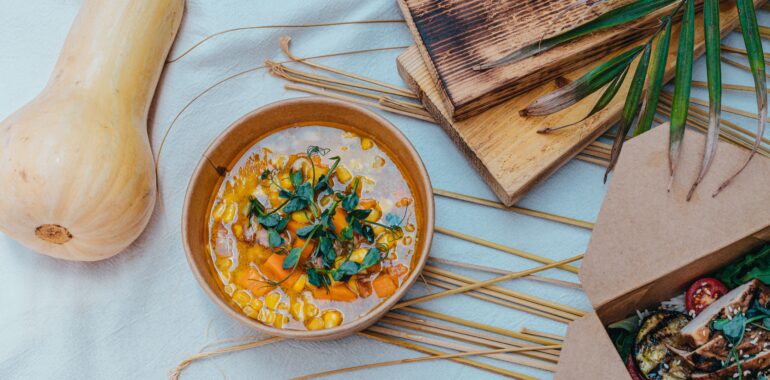
2. The Nicoyan “Three Sisters” Black Bean & Squash Stew
The Nicoyan Peninsula relies heavily on a brilliant agricultural concept developed by Indigenous Mesoamericans known as the “Three Sisters”: corn, beans, and squash. When grown together, they protect each other in the soil. When eaten together, they provide a complete profile of essential amino acids, vitamins, and minerals.
| Macronutrient Profile | Value per Serving (Makes 4) |
| Protein | 14g |
| Dietary Fiber | 12g |
| Est. Calories | 280 |
Ingredients:
- 2 cans (15 oz each) organic black beans, rinsed and drained
- 2 cups butternut squash or kabocha squash, peeled and cubed
- 1 cup fresh sweet corn kernels (off the cob)
- 1 white onion, chopped
- 1 bell pepper (any color), diced
- 1 tbsp avocado oil or coconut oil
- 1 tsp ground cumin
- 1 tsp dried oregano
- 2 cups low-sodium vegetable broth
- 2 cloves garlic, minced
- Fresh cilantro and lime wedges for serving
Instructions:
- Sweat the Veggies: Heat your cooking oil in a large pot over medium heat. Toss in the chopped white onion and diced bell pepper, cooking for 4 minutes until translucent. Add the minced garlic, cumin, and oregano, stirring rapidly to toast the spices without burning the garlic.
- Stir-in the Sisters: Add your cubed squash, sweet corn kernels, and black beans to the pot, tossing them gently to integrate with the aromatic spices.
- Simmer and Reduce: Pour in the vegetable broth. Bring to a boil, then reduce the heat to medium-low. Cover tightly and let it simmer for 25 minutes, or until the squash cubes are incredibly tender and starting to naturally thicken the surrounding broth.
- Serve: Ladle the warm stew into bowls, top generously with fresh cilantro, and hit it with a heavy squeeze of fresh lime juice to cut through the starchiness of the dish.
3. The Okinawan Sweet Potato & Miso Glazed Tofu Stir-Fry
Prior to the modernization of the local food supply, up to 60% of the daily calories consumed by Okinawans came from a single root vegetable: the purple sweet potato (beni imo). This recipe utilizes standard sweet potatoes paired with high-protein tofu and fermented miso to replicate their longevity staples.
| Macronutrient Profile | Value per Serving (Makes 2) |
| Protein | 22g |
| Dietary Fiber | 7g |
| Est. Calories | 360 |
Ingredients:
- 1 block (14 oz) extra-firm tofu, pressed and cubed
- 1 large sweet potato, peeled and cut into small 1/2-inch cubes
- 2 cups fresh shiitake mushrooms, sliced thin
- 2 cups baby bok choy or chopped kale
- 1 tbsp toasted sesame oil
- For the Miso Glaze:
- 2 tbsp white or red miso paste (fermented soybean paste)
- 1 tbsp pure maple syrup
- 2 tbsp warm water (to dissolve the miso)
- 1 tsp fresh ginger, grated
Instructions:
- Steam the Potato: Because sweet potatoes take longer to cook than tofu and greens, steam your 1/2-inch cubes for 7 to 8 minutes until they are slightly tender but still hold their shape. Set aside.
- Pan-Sear the Tofu: Heat half of your sesame oil in a non-stick skillet over medium-high heat. Add your pressed, cubed tofu and sear for 5 to 6 minutes, flipping occasionally, until the edges are golden brown. Remove from the pan.
- Sauté the Wild Fungi: Add the remaining sesame oil to the skillet and toss in the sliced shiitake mushrooms. Sauté for 3 minutes until they release their moisture and brown beautifully. Toss in the steamed sweet potato cubes and the bok choy, cooking for 2 minutes until the greens wilt.
- Glaze: Whisk your miso paste, maple syrup, warm water, and grated ginger together in a small cup until completely uniform. Turn the heat down to low, return the tofu to the pan, and pour the miso glaze over everything. Toss gently for 60 seconds until the glaze coats the ingredients in a warm, savory sheen. Serve immediately.
The Ultimate Blue Zone Lifestyle Secret: Hara Hachi Bu
While filling your kitchen with beans, leafy greens, and ancient grains is an incredible step forward for your physical health, Blue Zone longevity isn’t just about what you eat—it is about how you eat.
In Okinawa, elders utter the phrase Hara Hachi Bu before every single meal. This ancient Confucian mantra reminds them to mindfully stop eating when their stomachs are exactly 80% full.
Because it takes roughly twenty minutes for the stretch receptors in your stomach to send chemical signals up to your brain confirming satisfaction, slowing down your eating pace prevents overeating, reduces metabolic stress, and allows your digestive organs to process nutrients with maximum biological efficiency. Try eating your meals without the distraction of a phone or television screen, chewing slowly, and embracing the true lifestyle of longevity.

I’m Brinley, and I believe in progress over perfection. My holistic journey started when I traded rigid fads for the 80/20 rule and nature-based remedies. I only share advice I’ve lived through—from botanical skincare that fixed my dry skin to easy kitchen hacks. I’m here to help you build a nourished life through small, intentional, and sustainable choices.