

The Living Laboratory: How Houseplants Shape Your Indoor Air
I used to think of houseplants as nothing more than “decor”—just green objects to fill an empty corner or look good on a bookshelf. In the past, I would buy a plant based solely on its look, only to have it wither away because I didn’t understand the complex biological relationship it had with my home. I spent years living in “stale” indoor air, suffering from dry eyes and afternoon headaches, never connecting my physical symptoms to my environment. It changed everything when I stumbled upon the NASA Clean Air Study. I discovered that plants aren’t just passive ornaments; they are sophisticated living filters that actively scrub toxins from the air, regulate humidity, and signal our nervous systems to exit “fight or flight” mode.
The science of indoor botany is a masterclass in atmospheric engineering. I love the realization that by adding specific plants to specific rooms, you can actually design the “micro-climate” of your home. Whether you need to remove formaldehyde from your living room or boost oxygen levels in your bedroom at night, there is a plant that has evolved over millions of years to do exactly that. When you view your home as a living laboratory, you stop “gardening” and start “bio-hacking” your way to a healthier life.
This guide explores the physiological impact of indoor greenery and identifies which plants act as the best specialized tools for your home’s atmosphere.
The “Green Filter” Effect: How Plants Clean Air
Most people know that plants breathe in CO2 and breathe out Oxygen (O2), but the science goes much deeper. Through a process called Phytoremediation, plants use their leaves and root systems to absorb and neutralize Volatile Organic Compounds (VOCs)—gases emitted by carpets, paints, furniture, and cleaning supplies.
1. The Stomata Strategy
Plants have microscopic pores on their leaves called stomata. While they are taking in carbon dioxide for photosynthesis, they also pull in airborne toxins like Benzene and Trichloroethylene. These toxins are then transported to the plant’s roots, where microbes break them down into “food” for the plant.
2. The Humidity Regulator
Plants “sweat” through a process called Transpiration. As they release water vapor, they naturally increase the humidity of a room. In the dry winter months (which we know is tough on skin), this can act as a natural, silent humidifier that prevents dry sinuses and itchy skin.
Personal Tip: I used to get “winter nosebleeds” every year from the dry heater air. Once I grouped several high-transpiration plants together in my office, my indoor humidity rose by 15%, and my respiratory symptoms vanished. It’s a biological solution to a mechanical problem.
Specialized Plants for Specific Home Needs
Different plants have different metabolic “specialties.” Here is how to place them strategically for maximum health impact.
1. The “Formaldehyde Scrubber”: The Snake Plant (Dracaena trifasciata)
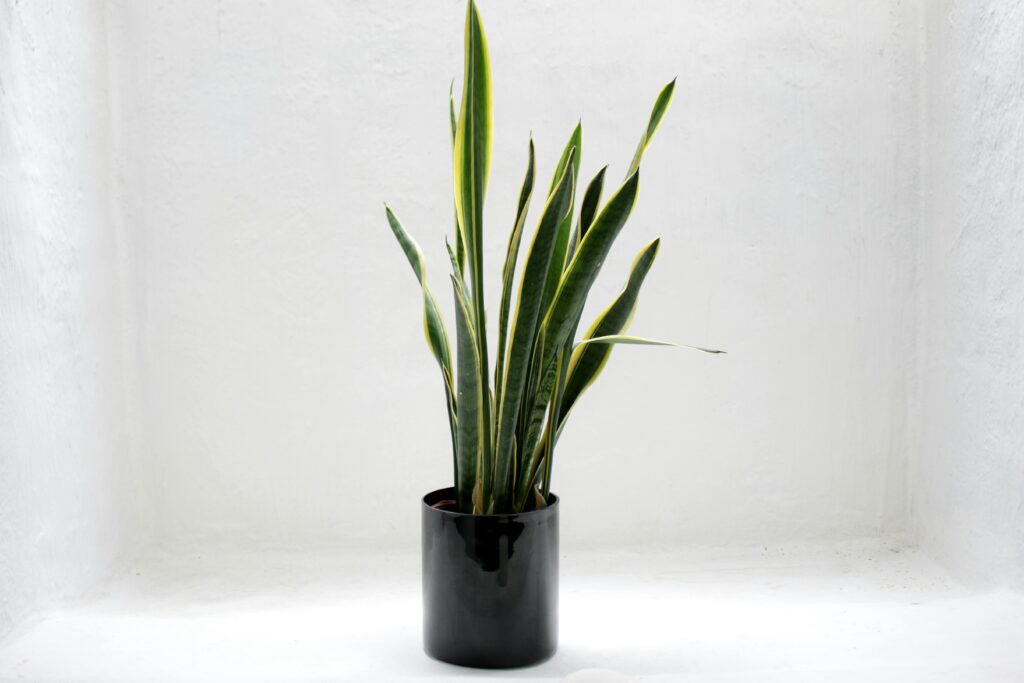
The Science: Most plants produce oxygen during the day while the sun is out. The Snake Plant is one of the few that performs Crassulacean Acid Metabolism (CAM), meaning it absorbs CO2 and releases oxygen at night.
Best For: The Bedroom.
Atmospheric Impact: It is incredibly efficient at removing formaldehyde (found in plywood and tissues). Placing this by your bed ensures you are breathing higher-purity oxygen while you sleep.
2. The “Chemical Sponge”: Peace Lily (Spathiphyllum)
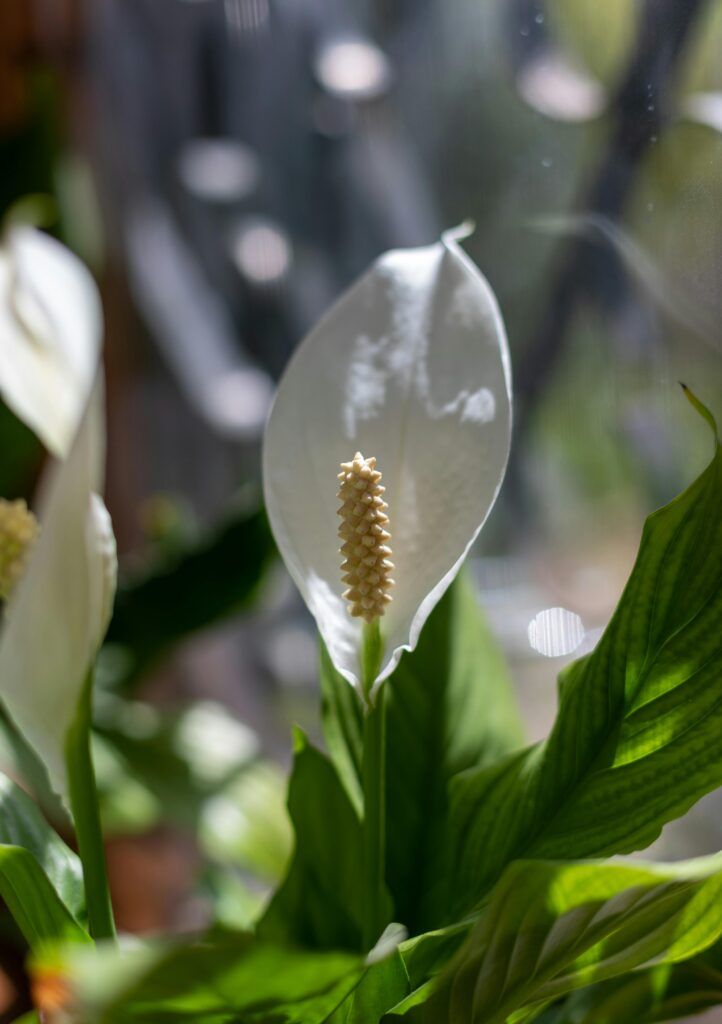
The Science: The Peace Lily is an absolute powerhouse when it comes to VOCs. According to NASA research, it is one of the top plants for neutralizing the “Big Three”: Benzene, Formaldehyde, and Carbon Monoxide.
Best For: The Living Room or Laundry Room.
Atmospheric Impact: It effectively “cleans” the gases emitted by new furniture or harsh cleaning detergents.
3. The “Natural Humidifier”: Boston Fern (Nephrolepis exaltata)
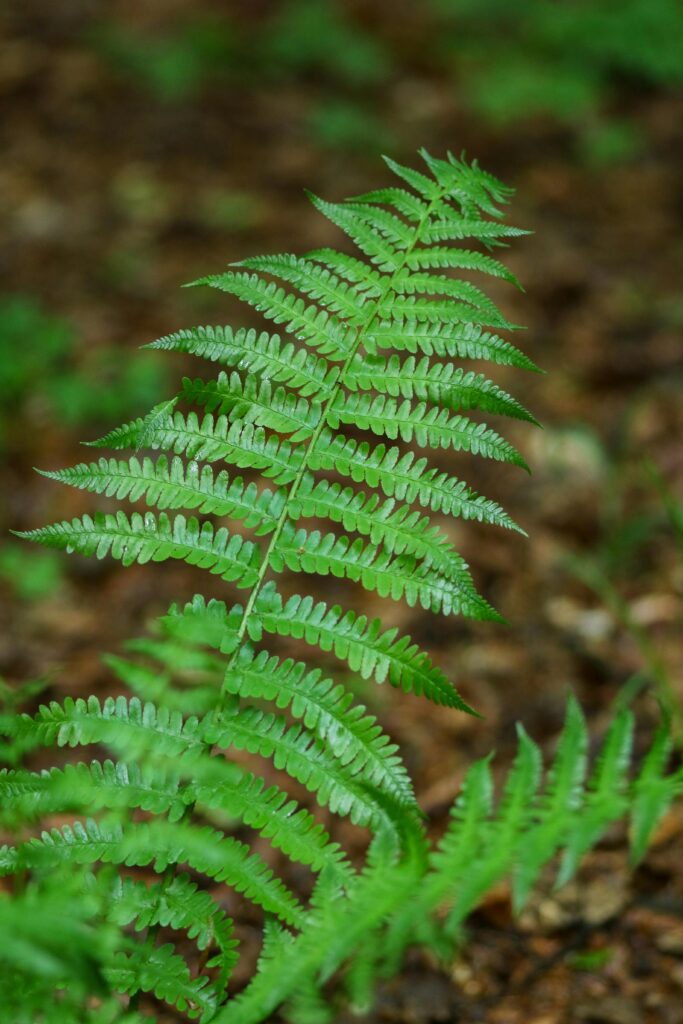
The Science: Ferns are some of the oldest plants on Earth and are masters of water regulation. They have a very high transpiration rate, pumping significant moisture back into the air.
Best For: The Home Office or Hallway.
Atmospheric Impact: If your skin feels tight and your eyes feel scratchy from staring at a screen in a dry room, the Boston Fern is your best ally. It restores the moisture balance that electronics often strip away.
4. The “Mental Sharpness” Booster: Rosemary (Salvia rosmarinus)

The Science: This isn’t just about air chemistry; it’s about Olfactory Science. Research has shown that the scent of rosemary can improve memory and cognitive performance by increasing blood flow to the brain.
Best For: The Kitchen or Desk.
Atmospheric Impact: Having a small rosemary plant in your workspace doesn’t just clean the air; it provides a “sensory anchor” that can help lower cortisol and keep you focused during deep-work sessions.
The Psychological Science: “Biophilia”
Beyond the air quality, there is the Biophilia Hypothesis, which suggests that humans have an innate biological connection to nature.
- Stress Reduction: Studies have shown that simply looking at a plant for three minutes can significantly lower your heart rate and blood pressure.
- Productivity: Research in office environments found that “green” offices (those with plants) saw a 15% increase in worker productivity compared to “lean” (plant-free) offices.
Personal Tip: I’ve noticed that if I’m having a high-cortisol day, spending just five minutes pruning my plants acts like a “reset button” for my brain. It’s a rhythmic, tactile activity that forces me to be present in the physical world rather than lost in my digital stressors.
Engineering Your Indoor Eden
Your home atmosphere is a critical component of your overall health. By intentionally choosing and placing houseplants based on their biological strengths, you aren’t just decorating; you are creating a more resilient, oxygen-rich, and calm environment for your body to inhabit. You don’t need a “green thumb” to start—you just need the right plant for the right job. Start with a Snake Plant in your bedroom tonight; your morning lungs will thank you.
Final Tip: Dust your leaves! If the leaves are covered in dust, the stomata are blocked, and the plant can’t “breathe” or filter toxins effectively. A quick wipe with a damp cloth once a month keeps your living filters running at 100% efficiency!

I’m Brinley, and I believe in progress over perfection. My holistic journey started when I traded rigid fads for the 80/20 rule and nature-based remedies. I only share advice I’ve lived through—from botanical skincare that fixed my dry skin to easy kitchen hacks. I’m here to help you build a nourished life through small, intentional, and sustainable choices.