
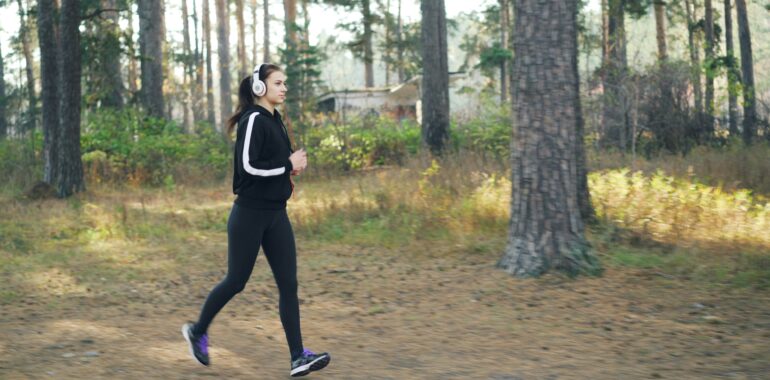
The Joy of “Green Exercise”: Why Working Out Outside Feels Better
When I first started my fitness journey, I was convinced that “real” exercise meant being indoors: the controlled environment of a gym, the rhythmic thump of a treadmill, or the focused silence of a studio class. My initial approach was to view the outdoors as too messy, unpredictable, and inefficient for a structured workout. But once I allowed myself to simply move during a long walk on a wooded trail, or a simple yoga session on the deck, I felt fundamentally better—more peaceful, more energized, and happier—than after any indoor session.
This feeling isn’t just anecdotal; it’s backed by science. The term is “Green Exercise,” and it refers to any physical activity done while directly engaging with nature. I found that when you move your body and simultaneously stimulate your senses with fresh air, natural light, and green spaces, you amplify the benefits of the workout exponentially. It’s a holistic boost that impacts your body, brain, and spirit all at once.
This guide will explore the profound mental and physical benefits of exercising outdoors. We’ll dive into the science of Vitamin D, the impact of natural light on your mood, and the psychological benefits of varied terrain. Whether you’re a serious runner or simply looking for an easy way to move more, you’ll discover how to leverage the power of the natural world to make your workouts more joyful, effective, and deeply rewarding.
The Science of Feeling Good: Why Nature Amplifies Fitness
Green Exercise offers unique advantages that a hermetically sealed gym simply cannot replicate. These benefits tap into ancient biological needs, making the experience feel inherently satisfying.
1. The Vitamin D Boost
One of the most obvious benefits of working out outside is exposure to natural sunlight. When your skin is exposed to UVB rays, it triggers the synthesis of Vitamin D, which is actually a hormone crucial for overall wellness.
- Impact: Vitamin D is essential for bone health, immune function, and, significantly, mood regulation. Low levels are often linked to fatigue and depression. Just 10 to 30 minutes of midday sun exposure (depending on your skin tone and location) can contribute significantly to your daily Vitamin D needs.
2. Natural Mood Elevation (The Serotonin Effect)
Exposure to bright, natural light—even on a cloudy day—affects your brain’s chemistry. Natural light exposure helps boost serotonin, a key neurotransmitter responsible for feelings of well-being and happiness.
- Impact: Moving outside helps regulate your circadian rhythm, which governs your sleep-wake cycle. Getting bright light exposure early in the day signals to your brain that it’s time to be alert, leading to better sleep quality at night and higher energy levels all day long.
3. Stress Reduction (Cortisol Calming)
Studies have shown that exercising in green spaces (parks, forests, trails) directly reduces levels of the stress hormone cortisol. This effect is often attributed to exposure to phytoncides, airborne chemicals emitted by plants and trees.
- Impact: The combination of physical movement and the sensory calm of nature actively shifts your body from a “fight-or-flight” (sympathetic) state to a “rest-and-digest” (parasympathetic) state, leaving you feeling truly relaxed, not just tired.
Getting Started: Finding Your Outdoor Rhythm
You don’t need intense equipment or a membership to start enjoying Green Exercise.
Simple Starting Points
- The Park Bench Stretch: Instead of watching TV after your walk, find a park bench and do some light hamstring and quad stretches.
- The Trail Walk: Swap your sidewalk stroll for a local wooded path. The varied terrain subtly engages smaller stabilizing muscles you wouldn’t use on a flat surface.
- Outdoor Yoga/Pilates: Take your mat to your backyard, deck, or a quiet spot in a park.
Personal Tip: I always wear bright, visible colors when exercising outdoors, especially near roads or trails. I found that visibility is the easiest way to stay safe and confident when I’m focusing on the movement.
Four Ways to Transform Your Workout Outside
Here is how you can intentionally apply the principles of Green Exercise to your routine, no matter your fitness level.
1. Embrace Varied Terrain
The stability of a treadmill is convenient, but your brain and body thrive on novelty. Uneven terrain—a grassy hill, a gravel path, a stretch of sand—forces your core, ankles, and stabilizer muscles to constantly adjust.
- The Benefit: This subtle adjustment increases the calorie burn and improves proprioception (your body’s awareness of its position in space), which is crucial for preventing falls and improving overall mobility as you age.
Personal Tip: Try walking or running backward for 30 seconds every 10 minutes on a safe, flat stretch of grass. I found that this trick is fantastic for engaging different muscles, strengthening my knees, and improving balance.
2. The Power of Intentional Breathing
When you are outdoors, you have access to cleaner, richer air. Use this opportunity to practice mindful breathing, which lowers your heart rate and enhances the stress-reducing effects of the exercise.
- Technique: While walking, inhale deeply for a count of four, hold for one, and exhale slowly for a count of six. Focusing on the breath anchors you in the present moment, increasing the mental benefit.
3. Use Found Objects for Strength
You don’t need barbells. Look for ways to use nature’s structures to add resistance training.
- Bench: Use a sturdy park bench for tricep dips, incline push-ups, or step-ups.
- Hill: Find a short, steep hill and run up it 5-10 times for a powerful anaerobic interval workout.
- Stairs: Use outdoor steps for short bursts of climbing to quickly engage your glutes and quads.
Personal Tip: When I’m walking, I stop every five minutes and do 10-15 deep bodyweight squats, using a tree or signpost as a visual marker for form. I found that sprinkling strength training into my cardio makes the whole workout more efficient and engaging.
4. Engage All Your Senses
Part of the mental benefit of Green Exercise comes from sensory input. Don’t listen to loud music the whole time. Take moments to truly absorb your environment.
- Listen: Pay attention to the sound of birds, rustling leaves, or running water.
- Smell: Notice the scent of pine needles, damp earth, or flowering plants.
- See: Focus on the textures and colors of the landscape, not just the path directly in front of you.
Personal Tip: Before you start your outdoor activity, take two minutes to sit quietly and notice five things you can see, four things you can hear, three things you can feel, two things you can smell, and one thing you can taste. I found that this mindful practice immediately grounds me and enhances my appreciation for the entire workout.
Making Outdoor Exercise a Consistent Habit
The greatest challenge with Green Exercise is consistency, especially when the weather is less than ideal.
Prepare for the Elements
- Layer Up: Dress in layers so you can easily adjust to temperature changes.
- Hydrate: Always carry water, even on short walks, as sunlight exposure can increase dehydration.
- Protect: Never skip sun protection (SPF and a hat), even if it’s cloudy.
Use Habit Stacking
Anchor your outdoor movement to an existing routine.
- After I brew my morning coffee, I will walk around the block twice.
- After I finish my last work call, I will change into walking shoes.
Personal Tip: Use the time outside for intentional detachment. I leave my phone on ‘Do Not Disturb’ or only bring it along for safety (not scrolling). I found that using my time outside as a break from digital input maximizes the mental decompression benefits.
Embrace the Outdoors, Embrace the Joy
Green Exercise is the ultimate two-for-one deal for your wellness. You get the benefits of physical activity combined with the proven mood-boosting, stress-reducing power of nature. By simply stepping outside, you transform your routine from a chore into a joy-filled, restorative practice that leaves you feeling healthier, happier, and more connected to the world around you. Let the great outdoors be your new favorite gym.
Final Tip: If the weather is truly miserable, find a window. Stand near a bright window and perform a set of bodyweight squats or calf raises. I found that maximizing natural light exposure, even indoors, is the next best way to get that Vitamin D and serotonin boost.

I’m Brinley, and I believe in progress over perfection. My holistic journey started when I traded rigid fads for the 80/20 rule and nature-based remedies. I only share advice I’ve lived through—from botanical skincare that fixed my dry skin to easy kitchen hacks. I’m here to help you build a nourished life through small, intentional, and sustainable choices.