
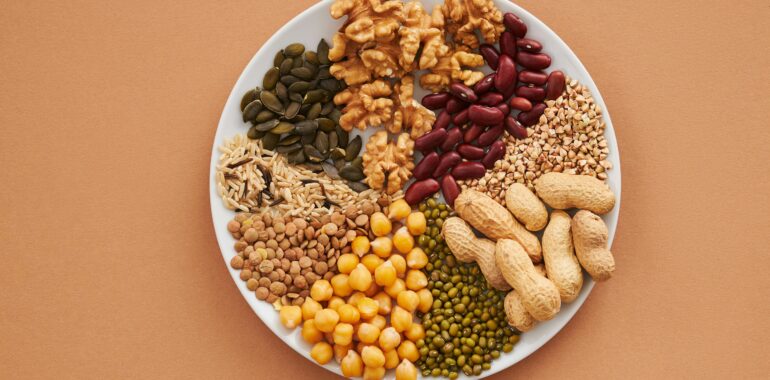
Creative Ways to Add More Protein: Protein Boosts You’ll Actually Use
When I first started paying attention to my macronutrients, I felt completely overwhelmed by the idea of “hitting my protein goals.” My initial attempts involved eating a lot of the same three things: eggs, Greek yogurt, and grilled chicken. It didn’t take long for mealtime to feel like a chore rather than a pleasure. I realized that if I wanted to maintain my energy levels and support my muscle recovery, I had to stop thinking of protein as a “side of meat” and start seeing it as a versatile ingredient I could weave into every single bite.
I’ve discovered that the secret to a high-protein lifestyle isn’t about eating larger portions of meat; it’s about “stealth protein.” It’s about those tiny, nutrient-dense additions—like hemp seeds in your smoothie, nut butters in your oatmeal, or sprouted beans in your soup—that add up significantly over the course of a day. When you sneak protein into your everyday meals, you stabilize your blood sugar, reduce those frantic afternoon cravings, and feel a much deeper sense of satiety.
This guide is a deep dive into the creative ways I’ve learned to boost the protein content of every meal without sacrificing flavor or variety. Whether you are plant-based, gluten-free, or just looking to simplify your nutrition, these tips will help you turn your ordinary meals into nourishing, high-protein powerhouses.
Why Protein is Your Wellness Secret Weapon
Before we get into the “how,” it’s helpful to understand the “why.” Protein is the most satiating macronutrient. Unlike simple carbohydrates that cause a rapid spike and crash in energy, protein requires more effort for your body to digest (this is known as the Thermic Effect of Food).
- Blood Sugar Stability: Protein slows down the absorption of sugar into your bloodstream. When you add protein to a carbohydrate-heavy meal (like a bowl of pasta or a piece of fruit), you prevent the insulin spike that leads to fat storage and energy crashes.
- Muscle Preservation: Even if you aren’t trying to “bulk up,” protein is essential for maintaining lean muscle mass, especially if you are in a calorie deficit.
- Hormone Support: Many of your body’s essential hormones and neurotransmitters (like the ones that govern sleep and mood) are made from amino acids—the building blocks of protein.
1. Breakfast: Beyond the Scrambled Egg
Breakfast is the most common place where people fall short on protein, often opting for “naked” carbs like toast or sugary cereals.
Hemp seeds (hemp hearts) are a total game-changer. Just three tablespoons contain roughly 10 grams of complete protein. They have a mild, nutty flavor that disappears into almost anything.
- The Move: Sprinkle hemp seeds over your avocado toast, stir them into your yogurt, or blend them directly into your morning smoothie.
Personal Tip: I keep a glass jar of hemp seeds directly on my kitchen counter next to the toaster. I’ve found that having them in my direct line of sight makes it an automatic habit to sprinkle them on my breakfast, adding an easy 10 grams of protein to my day before 9:00 AM.
The Power of Seed Toppings
Nut Butter Boosts
While nut butters are primarily a healthy fat, they do provide a decent protein punch—especially almond and peanut butter.
- The Move: Swirl a tablespoon of almond butter into your morning oatmeal or spread it on sliced apples.
Personal Tip: If you are a fan of oatmeal, stir in a tablespoon of almond butter after the oats are cooked. I’ve found that this preserves the healthy fats and creates a much creamier, more satisfying texture that keeps me full until lunch.
Chia Seed Puddings
Chia seeds are fiber and protein powerhouses. When soaked in liquid, they expand and create a pudding-like consistency.
Personal Tip: Mix your chia seeds with a high-protein milk, like unsweetened soy milk or pea milk, instead of almond milk. I’ve found that this double-layering of protein sources can bring a simple chia pudding up to 15–18 grams of protein easily.
2. Lunch: The High-Protein Salad and Wrap
Salads are often the culprits of “hunger an hour later” because they lack substance.
The Legume Lift
Sprouted beans and lentils are easier to digest than traditional canned beans and boast a higher nutrient profile.
- The Move: Add a half-cup of sprouted mung beans or black lentils to your greens. This adds roughly 8–12 grams of protein and a wonderful earthy crunch.
Personal Tip: I buy sprouted lentils in bulk and “flash steam” them for five minutes at the start of the week. I’ve found that having these prepped in the fridge makes it effortless to toss a handful into any salad or wrap, ensuring I never eat a “low-power” lunch.
Nutritional Yeast (Nooch)
If you are plant-based or dairy-free, nutritional yeast is your best friend. It has a savory, cheesy flavor and contains about 2 grams of protein per tablespoon.
- The Move: Use it as a seasoning for your salad, or whisk it into your homemade vinaigrettes.
Personal Tip: I make a “protein parm” by pulsing nutritional yeast, walnuts, and a pinch of sea salt in a blender. I’ve found that keeping a jar of this in the fridge allows me to add a savory, high-protein topping to salads, pasta, or roasted veggies without the inflammation of dairy.
Greek Yogurt Dressings
Instead of using oil-based dressings, use plain Greek yogurt as your base.
Personal Tip: Whisk two tablespoons of Greek yogurt with lemon juice, garlic, and dried dill. I’ve found that this creates a creamy, ranch-style dressing that adds 5–7 grams of protein to your salad while keeping the calories low.
3. Dinner: Sneaking Protein into Soups and Sauces
Dinner is the perfect time to use “hidden” protein sources that bulk up the meal without changing the flavor profile.
The Pureed Bean Trick
This is my favorite “stealth” move for creamy soups. Instead of using heavy cream or flour to thicken a soup, use white beans (like Cannellini or Great Northern).
- The Move: Blend one can of rinsed white beans with a bit of broth until completely smooth, then stir it into your vegetable or tomato soup. It adds a silky texture and about 15–20 grams of protein to the entire pot.
Personal Tip: I use this same pureed bean trick for pasta sauces. I’ve found that blending white beans into a marinara sauce creates a “creamy” tomato sauce that even kids or picky eaters won’t notice, but it significantly balances the carb-heavy pasta.
Edamame Add-ins
Shelled edamame is a complete protein and can be found in the frozen section of almost any grocery store.
- The Move: Toss a handful of frozen edamame into your stir-fry, grain bowls, or even your pesto pasta.
Personal Tip: I keep a bag of frozen edamame in my freezer specifically for “lazy” nights. I’ve found that even if I’m just eating a bowl of simple rice and veggies, adding a cup of steamed edamame instantly turns it into a recovery meal with 18 grams of protein.
Quinoa “Croutons”
Instead of bread-based croutons, use cooked, crispy quinoa.
Personal Tip: Spread cooked quinoa on a baking sheet and roast it at 400°F for 15 minutes until it’s crunchy. I’ve found that these “quinoa sprinkles” add a delicious texture and a complete protein boost to soups and stews that normally lack substance.
4. Snacks: Stabilizing Your Energy
Snacking is often where blood sugar goes to die. By adding protein to your snacks, you prevent the late-afternoon “hangry” phase.
Hard-Boiled Eggs
They are the “original” portable protein. One large egg contains about 6 grams of protein.
Personal Tip: I boil half a dozen eggs every Sunday evening. I’ve found that having them peeled and ready in a container means I actually reach for them when I’m hungry, rather than grabbing a bag of processed chips.
Cottage Cheese Bowls
Cottage cheese has made a massive comeback, and for good reason—it’s incredibly high in casein protein, which is slow-digesting and keeps you full.
- The Move: Eat it savory with cucumbers and black pepper, or sweet with berries and cinnamon.
Personal Tip: If you don’t like the texture of cottage cheese, blend it in a food processor until it’s smooth like ricotta. I’ve found that this “whipped” cottage cheese is amazing on whole-grain crackers or as a dip for bell pepper strips.
Roasted Chickpeas
When you want something crunchy and salty, skip the pretzels and go for roasted chickpeas.
Personal Tip: I make my own roasted chickpeas by drying them thoroughly and roasting them with olive oil and cumin. I’ve found that the secret to getting them truly “crunchy” is leaving them in the oven with the door cracked open after you turn the heat off—this dries them out perfectly.
Conclusion: Small Swaps, Big Results
Building a high-protein lifestyle doesn’t require a radical overhaul of your diet. It’s about the cumulative power of small, intentional choices. By adding a sprinkle of seeds here, a scoop of beans there, and a dollop of yogurt into your dressing, you are providing your body with a steady stream of the amino acids it needs to thrive.
When you prioritize protein in these creative ways, you’ll notice that your energy becomes more reliable, your moods stay more balanced, and you feel a sense of control over your hunger that you might never have experienced before. Wellness is built in the small details—start sneaking in that protein and watch how your body responds.
Final Tip: Always prioritize “protein first” when you sit down to eat. I’ve found that taking the first few bites of your meal from your protein source (rather than the carbs or veggies) helps trigger your satiety hormones earlier, which naturally prevents overeating later in the meal.

I’m Brinley, and I believe in progress over perfection. My holistic journey started when I traded rigid fads for the 80/20 rule and nature-based remedies. I only share advice I’ve lived through—from botanical skincare that fixed my dry skin to easy kitchen hacks. I’m here to help you build a nourished life through small, intentional, and sustainable choices.