

Skincare Layering: How to build an Effective, Natural Routine
Stepping into the world of natural skincare can feel both exciting and overwhelming. I’ve gathered beautiful products filled with botanical ingredients, but then I’m faced with a new puzzle: in what order should you apply them? Does the serum go on before the oil? Where does a toner fit in? I quickly learned that the sequence in which you apply your skincare is not just a matter of preference; it’s a science that can dramatically impact the effectiveness of your routine.
Skincare layering is the art of applying products in the correct order to ensure maximum absorption and benefit. When you’re using natural and clean formulations, which are often packed with delicate and potent plant-based actives, proper layering is even more crucial. It ensures that each ingredient can penetrate the skin and work its magic without being blocked by a heavier product.
This guide will demystify the process of building an effective, natural skincare routine. We’ll break down the correct order of application, explain the purpose of each step, and offer tips on choosing the best natural ingredients for your specific skin type, allowing you to create a personalized ritual that truly nurtures your skin.
The Golden Rule of Layering: Thinnest to Thickest
The fundamental principle of skincare layering is simple: apply your products from the thinnest consistency to the thickest. This means water-based products go on first, followed by gels, lotions, creams, and finally, oils.
Think of it this way: lighter, water-based products are designed to penetrate deep into the skin to deliver active ingredients. Thicker, creamier products and oils are more occlusive, meaning they create a barrier on the skin’s surface to lock in moisture and protect it. If you apply a thick cream first, it will prevent your lighter serum from ever reaching its destination. By following the “thinnest to thickest” rule, you ensure each product can perform its job effectively.
Building Your Natural Skincare Routine: Step by Step
A comprehensive routine can be broken down into morning and evening rituals. While some steps are universal, others are specific to the time of day. Here is the ultimate guide to layering your natural products for a healthy, radiant complexion.
Morning Routine (Protect and Prepare)
Your morning routine is all about protecting your skin from the environmental stressors it will face throughout the day, like UV radiation and pollution.
Step 1: Cleanse
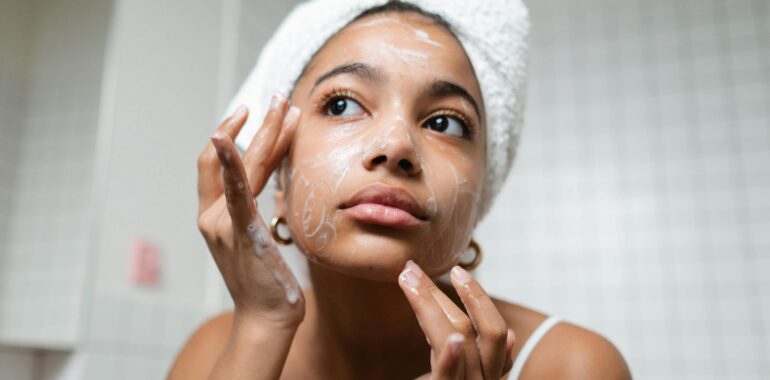
Start your day by washing your face with a gentle, natural cleanser. This removes any sweat, oil, and impurities that have accumulated overnight, creating a clean canvas for the rest of your products.
- How to Choose: Look for sulfate-free cleansers that won’t strip your skin’s natural moisture barrier.
- Natural Ingredient Spotlight:
- For Oily/Acne-Prone Skin: Tea tree oil or willow bark extract can help purify pores.
- For Dry/Sensitive Skin: Cream or milk cleansers with soothing ingredients like chamomile, aloe vera, or oat extract are ideal.
Step 2: Tone
A natural toner or facial mist is the next step. Forget the harsh, alcohol-based toners of the past. Modern natural toners are hydrating and help to balance your skin’s pH after cleansing. They also add a layer of moisture that helps subsequent products absorb better.
- How to Choose: Opt for alcohol-free formulas. Apply by spritzing directly onto your face or using a reusable cotton pad.
- Natural Ingredient Spotlight:
- For All Skin Types: Rosewater is incredibly hydrating and soothing.
- For Dull Skin: Witch hazel (alcohol-free versions) can help tighten pores, while toners with hibiscus extract offer gentle exfoliation.
Personal Tip: I apply my serum while my face is still damp from my toner or mist. I found that the dampness acts like a sponge, allowing hydrating ingredients like Hyaluronic Acid to pull water deeper into the skin for maximum plumpness.
Step 3: Serum
Serums are lightweight, concentrated treatments designed to address specific skin concerns. This is where you can really customize your routine. Because they are thin and packed with active ingredients, they should be applied to freshly toned, slightly damp skin.
- How to Choose: In the morning, a serum with antioxidants is an excellent choice to protect against free radical damage.
- Natural Ingredient Spotlight:
- For Brightening & Protection: Vitamin C serums derived from sources like kakadu plum or amla berry are antioxidant powerhouses.
- For Hydration: Look for serums containing hyaluronic acid (often derived from microbial fermentation), which draws moisture into the skin.
Step 4: Moisturize
Next, apply a moisturizer to hydrate your skin and lock in your serum. Your moisturizer supports your skin’s natural barrier, keeping it soft and supple.
- How to Choose: The texture of your moisturizer should depend on your skin type.
- Natural Ingredient Spotlight:
- For Oily Skin: A lightweight, gel-based moisturizer with aloe vera or jojoba oil (which mimics the skin’s natural sebum) works well.
- For Dry Skin: A richer cream with nourishing ingredients like shea butter, ceramides (often plant-derived), or borage seed oil will provide lasting hydration.
Step 5: Sunscreen
This is the most critical step in your morning routine. Sunscreen protects your skin from UV damage, which is the primary cause of premature aging and skin cancer. It should always be the last step before makeup.
- How to Choose: Mineral sunscreens, which use zinc oxide and/or titanium dioxide, are a great natural option. They work by creating a physical barrier on the skin to block UV rays. Modern formulas are much more elegant than the thick, white pastes of the past.
- Why It’s Last: Sunscreen is designed to sit on top of your skin as a shield. Applying it before other products would render them less effective.
Evening Routine (Repair and Rejuvenate)
Your skin switches into repair mode at night. Your evening routine should focus on cleansing away the day’s grime and delivering nourishing ingredients to support this natural regeneration process.
Step 1: Double Cleanse
A double cleanse is especially important in the evening to thoroughly remove makeup, sunscreen, and pollution.
- First Cleanse (Oil-Based): Start with an oil-based cleanser or pure botanical oil (like jojoba or sweet almond oil). Oil is brilliant at dissolving oil-based impurities like makeup and sebum. Massage it onto dry skin and then rinse with water or wipe away with a warm, damp cloth.
- Second Cleanse (Water-Based): Follow up with your gentle, water-based cleanser from the morning routine to wash away any remaining residue.
Personal Tip: I use my hands to warm up my facial oil for 10 seconds before applying it for the first cleanse. I found that the warmth makes the oil spread more easily, dissolve makeup faster, and turn the cleansing into a soothing ritual.
Step 2: Tone
Apply your hydrating toner just as you did in the morning to balance and prep the skin.
Step 3: Treatment Serum
Nighttime is the ideal time for targeted treatments, especially those containing ingredients that can make your skin more sensitive to the sun.
- How to Choose: Select a serum based on your primary skin concern.
- Natural Ingredient Spotlight:
- For Anti-Aging: Look for serums with bakuchiol, a plant-based retinol alternative that helps improve skin texture and reduce the appearance of fine lines without the irritation of traditional retinol.
- For Calming Sensitivity: A serum with niacinamide (Vitamin B3) or calming botanicals like calendula can reduce redness and strengthen the skin barrier.
Personal Tip: When I use a thicker serum or treatment, I wait five minutes between applying it and moving on to my moisturizer. I learned that giving the thin, potent layer time to fully absorb prevents the moisturizer from diluting its power.
Step 4: Moisturize or Facial Oil
Your final step is to lock everything in with a nourishing layer. You have a choice here, depending on your skin’s needs.
- Moisturizer: You can use the same moisturizer as in the morning or opt for a slightly richer night cream.
- Facial Oil: A facial oil can be used either in place of or after your moisturizer for an extra boost of nourishment. Oils are occlusive and excel at sealing in all the products applied beforehand. Gently press a few drops into your skin as the final step.
- Natural Ingredient Spotlight: Rosehip seed oil is fantastic for regeneration and scarring, while argan oil is rich in Vitamin E and deeply moisturizing.
Let Nature Set the Tone for Your Skin
Building an effective skincare routine is about more than just buying great products; it’s about using them in a way that respects the science of your skin. By layering your natural ingredients from thinnest to thickest, you create a synergistic ritual where each product enhances the next. This thoughtful approach not only maximizes the benefits for your complexion but also transforms your daily routine into a moment of mindful self-care. Listen to your skin, trust in the power of plants, and watch your natural glow emerge.
Final Tip: I always end my evening routine by applying any leftover oil or moisturizer to my neck and décolletage. I found that these areas show signs of aging quickly, and using leftover product ensures you don’t waste the goodness and keep those areas hydrated.