

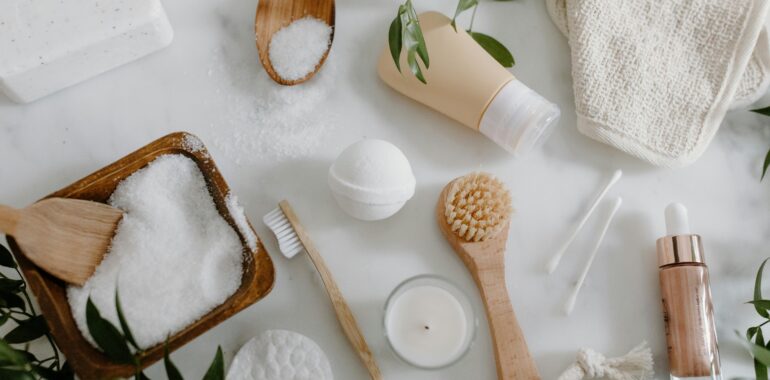
The Natural Hygiene Reset: Cleaner Ways to Stay Clean
Personal hygiene is the foundation of daily self-care, a ritual I practice to feel fresh and healthy. However, a quick look at the ingredient labels on many conventional hygiene products can be unsettling. From deodorants to toothpaste, I often find a long list of synthetic chemicals, artificial fragrances, and harsh detergents.
Adopting cleaner hygiene practices is about more than just avoiding toxins; it’s a holistic approach to wellness. It involves choosing products with simple, recognizable ingredients, reducing your environmental footprint with sustainable choices, and reconnecting with the gentle yet effective power of nature.
This guide will walk you through practical and effective ways I use to detoxify my personal care routine. We’ll explore natural alternatives, simple DIY recipes for everyday essentials, and eco-friendly habits that support both your health and the planet.
Rethinking Your Daily Routine: Simple Swaps for a Healthier You
Making the switch to natural hygiene doesn’t require a complete overhaul overnight. It can begin with small, intentional changes that add up to a significant impact. The goal is to replace synthetic, single-use products with wholesome, sustainable alternatives.
Oral Care: A Fresh Start, Naturally
Conventional toothpastes and mouthwashes often contain ingredients like sodium lauryl sulfate (SLS), artificial sweeteners, and fluoride, which many health-conscious individuals prefer to avoid. Natural oral care focuses on cleaning teeth and freshening breath without the harsh additives.
- Natural Toothpaste Alternatives: Look for brands that use ingredients like baking soda, calcium carbonate, xylitol (a natural sweetener that helps prevent bacteria from sticking to teeth), and essential oils like peppermint and tea tree for their antibacterial properties. You can also find tooth powders or tablets, which often come in refillable or plastic-free packaging.
- Herbal Mouth Rinse: Make a gentle mouthwash at home by steeping dried herbs like sage or mint in hot water, straining, and allowing it to cool. Use this rinse to help freshen breath and naturally support oral health.
- Tongue Scraping: Try a copper or stainless steel tongue scraper each morning to gently remove buildup from the tongue’s surface. This ancient practice helps reduce bacteria, improve breath, and support overall oral health.
Personal Tip: I keep a stainless steel tongue scraper right next to my toothbrush. Making it part of your routine before brushing reduces bacteria and freshens your breath much more effectively than just rinsing.
Deodorant: Freshness Without the Aluminum
Many mainstream antiperspirants use aluminum-based compounds to block sweat glands, a mechanism that concerns many people seeking a more natural path. Natural deodorants work differently; they don’t stop you from sweating (a natural and necessary bodily function) but instead neutralize odor-causing bacteria.
- What to Look For: Choose deodorants made with ingredients like baking soda or magnesium hydroxide to neutralize odor, arrowroot powder or cornstarch to absorb moisture, and coconut oil and shea butter to soothe the skin. Essential oils like tea tree, lavender, or sandalwood provide a natural, pleasant scent.
- Simple DIY Deodorant Cream:
- Melt 3 tablespoons of organic coconut oil and 2 tablespoons of organic shea butter in a double boiler.
- Once melted, remove from heat and stir in 3 tablespoons of arrowroot powder and 1 tablespoon of baking soda. (If you have sensitive skin, you can reduce or omit the baking soda).
- Add 10-15 drops of your favorite essential oil (e.g., lavender or tea tree).
- Pour the mixture into a small glass jar and let it cool and solidify. To use, apply a pea-sized amount to your underarms with your fingertips.
Cleansing Body and Hair the Gentle Way
The skin is your body’s largest organ, and the scalp is just as absorbent. Shifting away from harsh sulfates and synthetic fragrances in soaps and shampoos can dramatically improve the health of your skin and hair, allowing their natural balance to be restored.
Body Cleansing
Soaps with aggressive detergents can strip the skin of its natural protective oils, leading to dryness, irritation, and disruption of the skin’s microbiome.
- Choose Natural Soaps: Opt for bar soaps made with a simple saponified oil base, like olive oil (Castile soap), coconut oil, or shea butter. These cleanse effectively without stripping the skin. Look for unscented varieties or those scented only with pure essential oils.
- Dry Brushing: Before you even step into the shower, consider the practice of dry brushing. Using a natural bristle brush, gently brush your dry skin in long strokes toward your heart. This practice exfoliates dead skin cells, stimulates the lymphatic system to help with detoxification, and can improve circulation.
- Oatmeal Baths: Add a cup of finely ground oats to your bathwater for a gentle, soothing soak. Oatmeal helps calm irritation, moisturizes dry skin, and supports a healthy skin barrier—making it a wonderful option for sensitive or reactive skin.
- Salt or Mineral Baths: Add a handful of Epsom salts or Himalayan pink salt to your bath for gentle detoxification and to help relax sore muscles. The minerals can be absorbed through the skin and offer soothing benefits.
- Gentle Exfoliating Scrubs: Mix coconut oil with fine sugar or ground almonds to create a simple, nourishing body scrub. Gently massage onto damp skin to exfoliate and moisturize at the same time.
Personal Tip: I replaced my liquid shower gel with a simple, unscented Castile bar soap. I found this swap immediately reduced the overall dryness and itchiness in my skin because it cleanses effectively without stripping the natural oils.
Hair Care Simplified
Many people find that after a transition period, their hair needs less frequent washing once it’s no longer being stripped by harsh shampoos.
- Shampoo and Conditioner Bars: These solid bars are a fantastic eco-friendly alternative to plastic bottles. They are formulated with gentle cleansers and nourishing oils. Look for bars tailored to your hair type.
- DIY Hair Masks: Nourish your hair with simple, natural ingredients from your kitchen. A mask of avocado and olive oil can provide deep conditioning, while a honey and banana mask can add moisture and shine. Apply to damp hair, leave on for 20-30 minutes, and then rinse and wash as usual.
- Apple Cider Vinegar (ACV) Rinse: An ACV rinse can help remove product buildup, restore the scalp’s pH balance, and leave hair shiny and soft. Mix one part raw, unfiltered ACV with three parts water. After shampooing, pour the rinse over your hair, massage it into your scalp, let it sit for a minute, and then rinse thoroughly. The vinegar smell will disappear as your hair dries.
- Deep Conditioning Treatments: Use a deep conditioner or hair mask once a week to restore moisture and repair damage. Look for products infused with ingredients like shea butter, argan oil, or keratin for added nourishment.
Personal Tip: I use an ACV rinse once every two weeks. I promise the vinegar smell disappears as your hair dries, and it leaves your hair incredibly soft and shiny by removing product buildup.
Sustainable Hygiene: Caring for Yourself and the Earth
A holistic approach to hygiene naturally extends to caring for our planet. By choosing reusable and biodegradable products, you can significantly reduce the waste generated by your daily routines.
- Swap Disposables for Reusables: Replace single-use items with durable alternatives. Consider reusable cotton rounds for applying toner or removing makeup, a stainless steel safety razor instead of disposable plastic ones, and reusable menstrual products like cups or washable cloth pads.
- Choose Eco-Friendly Tools: Opt for a bamboo toothbrush, which is biodegradable, over a plastic one. Use natural sea sponges or loofahs for bathing instead of plastic mesh puffs.
- Mindful Water Use: Be conscious of your water consumption. Turning off the tap while brushing your teeth and taking shorter showers are simple habits that make a big difference.
Personal Tip: I switched to a safety razor (stainless steel) about a year ago, and while the initial cost was higher, I’ve saved a ton of money on blades and completely eliminated plastic waste from my routine.
Your Path to a Purer Routine
Transforming your hygiene habits is a journey of conscious choices. Start with one area—perhaps swapping your deodorant or trying a DIY tooth powder. Pay attention to how your body responds. You may notice your skin feeling more balanced, your hair feeling healthier, and a general sense of well-being from knowing you are using pure, simple ingredients.
The Bottom Line
A holistic approach to personal hygiene brings peace of mind and visible health benefits. By embracing the gentle power of simple, natural ingredients, you create a routine that is sustainable, effective, and deeply respectful of both your body and the environment.
Final Tip: I always remember to patch-test new DIY products or natural deodorants on a small area of skin first. Even natural ingredients like baking soda can cause irritation if your skin is sensitive.